
Editorial
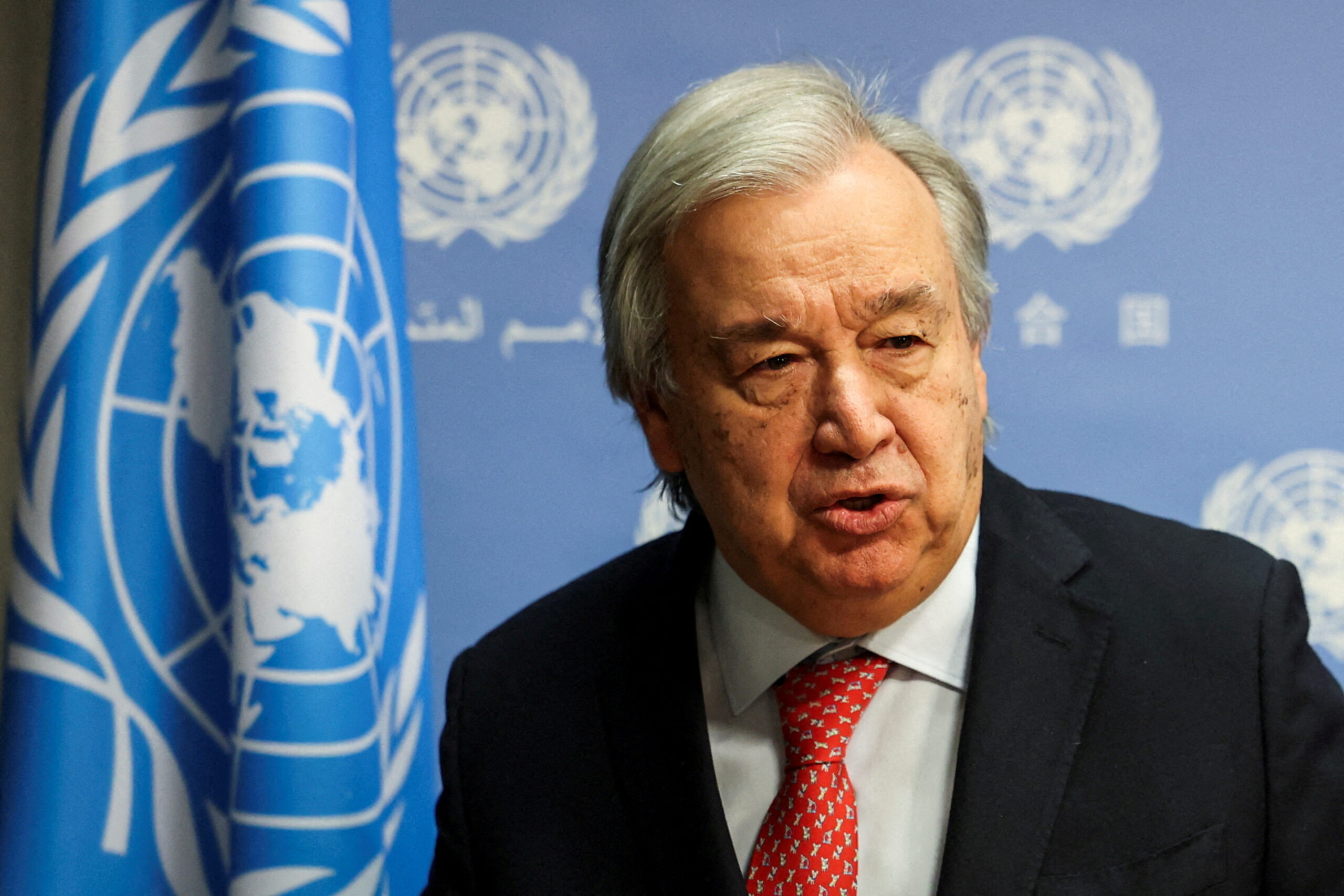
Antonio Guterres did not mince words at the opening of the UN Human Rights Council’s annual session in Geneva. He told the assembled delegates what many already know but few in power are willing to say: human rights are under full-scale attack, and the assault is being led not from the shadows but by those who hold the greatest power. The rule of law, he warned, is being outmuscled by the rule of force.
These are remarkable words from a man who has spent a decade navigating the carefully managed silences of multilateral diplomacy. That he chose his final address to this body as the moment for such candour says something important about how serious the situation has become.
The evidence he cited was not abstract. Over fifteen thousand civilians killed in four years of war in Ukraine. The two-state solution being dismantled in plain sight in the occupied Palestinian territories. Democracies eroding, migrants stripped of their humanity, refugees converted into political scapegoats. Artificial intelligence deployed not to liberate but to suppress. Inequality accelerating at a speed that should alarm every government on earth.
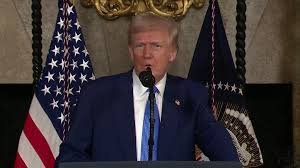
Yet alarm is precisely what is absent. Washington, the traditional anchor of the international human rights architecture, has slashed foreign aid since Donald Trump returned to power. Other donors are following. The UN itself faces what Guterres has elsewhere called imminent financial collapse. The institutions built after the catastrophes of the twentieth century are being defunded precisely when they are most needed.
Volker Turk, the UN rights chief, put it plainly: domination and supremacy are making a comeback. The competition for power and resources is playing out at an intensity unseen in eighty years.
The machinery of accountability is weakening. The powerful are rewriting the rules. And the vulnerable, as always, are paying the price.