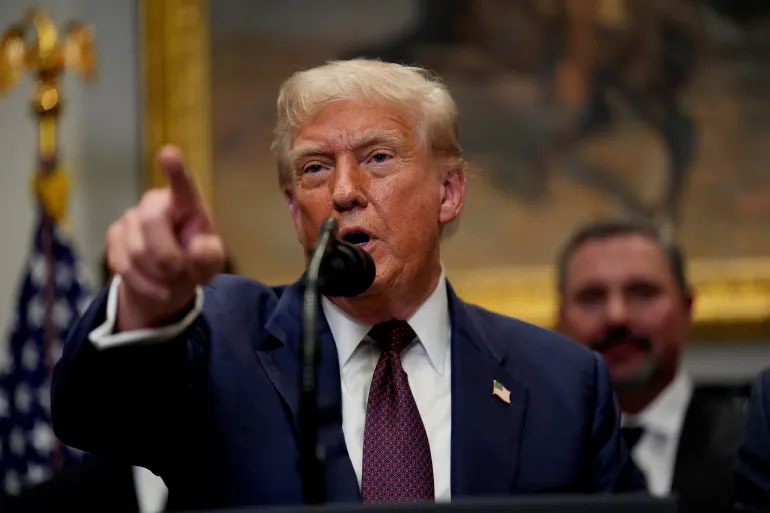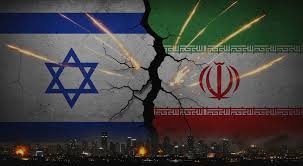

WASHINGTON: One week into the US-Israeli war against Iran, President Donald Trump is facing growing political, economic and military challenges that could determine whether the conflict turns into a strategic victory or a costly stalemate.
Although US and Israeli forces have dealt heavy blows to Iran’s military and reportedly killed senior leaders, the conflict has rapidly widened across the Middle East. Analysts warn the crisis could evolve into a prolonged regional war, potentially drawing the United States deeper into military engagement.
Trump, who had long promised to avoid large-scale foreign interventions, is now leading what experts describe as the biggest US military campaign since the 2003 Iraq war. Critics argue the administration has yet to clearly define the ultimate objectives or the endgame of the operation.
The White House insists the goals are clear: destroying Iran’s missile capabilities, weakening its navy, limiting its support for regional allies and preventing it from developing nuclear weapons.
However, concerns are growing that the war could damage the global economy, particularly if tensions disrupt oil supplies through the Strait of Hormuz, a critical route for global energy shipments.
Political risks are also mounting for Trump at home. While many supporters in his political base still back the campaign, rising casualties, economic pressure and uncertainty about the war’s duration could affect public opinion ahead of upcoming US elections.