Tahir Maqsood Chheena
The idea of the Board of Peace, first proposed by former U.S. President Donald Trump last year, was initially framed as a mechanism to address the violence in Gaza and support post-conflict reconstruction. However, as details emerge about the board’s structure and ambitions, it is becoming clear that the initiative may have far-reaching implications beyond Gaza — potentially challenging the existing global order and the role of the United Nations.
Reports indicate that the board is designed to operate under Trump’s indefinite chairmanship, granting him veto power over decisions. Participating countries would be offered different levels of influence depending on their financial contribution: states contributing $1 billion or more would gain permanent membership, while others would receive three-year terms, renewable at the chairman’s discretion. This model has drawn criticism for creating a “pay-to-play” dynamic, where financial capacity could determine political influence on matters of global peace. While the board’s official remit begins with Gaza, it is expected to expand to other international conflicts, with the stated goal of creating a “nimble and effective” institution capable of acting where existing multilateral organizations, such as the U.N., are perceived to have failed.
The United Nations, despite its flaws, has long been the central body for international conflict resolution. It is dominated by a small number of great powers with veto rights in the Security Council, which has often limited its ability to act decisively in crises. Nevertheless, it remains a multilateral forum where countries, large and small, can participate in collective decision-making. By contrast, the Board of Peace consolidates authority in the hands of one individual — in this case, Donald Trump — raising questions about transparency, accountability, and the legitimacy of its interventions.
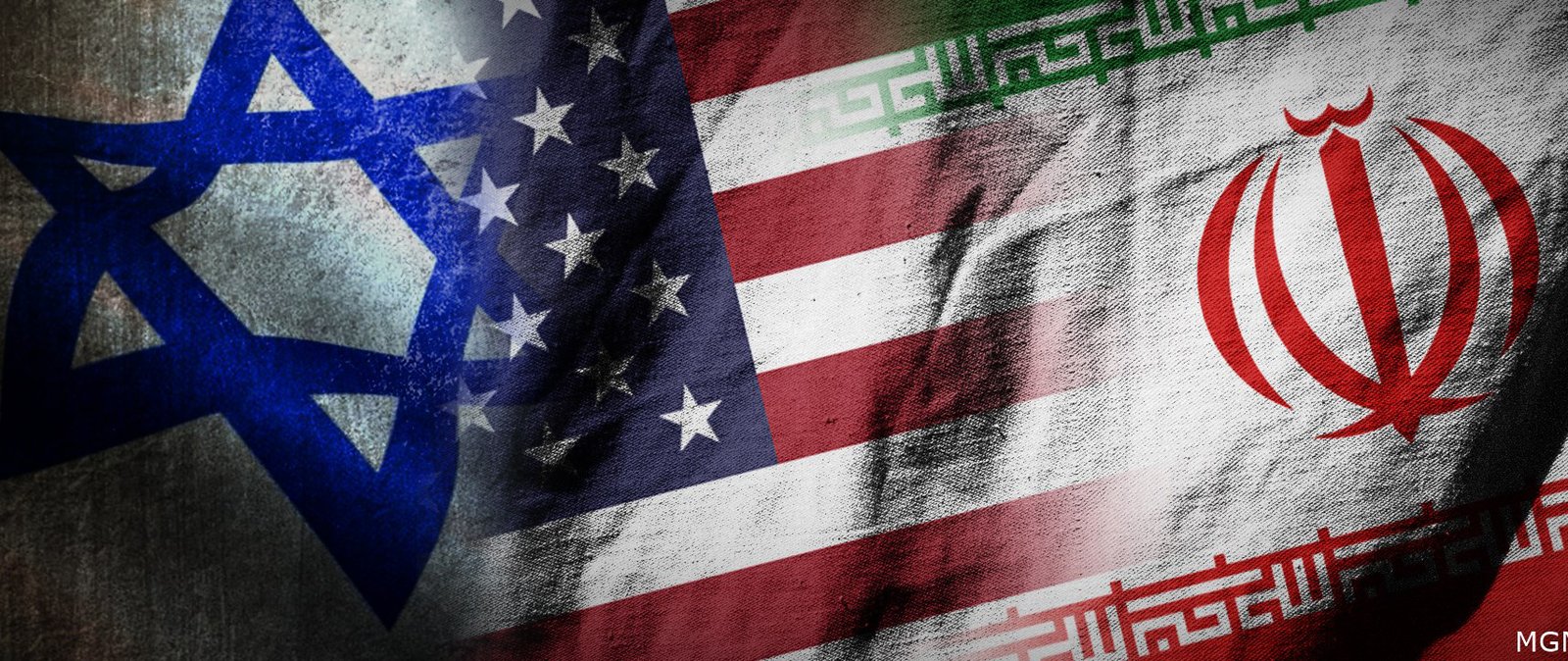
Trump’s track record in foreign policy also raises concerns. During his tenure in office and afterward, he has frequently adopted a militaristic and confrontational approach to international disputes, exemplified by threats of force against countries such as Venezuela and Iran, and even outlandish proposals like the purchase of Greenland. These episodes have reinforced perceptions that his style emphasizes coercion and unilateral decision-making rather than diplomacy and consensus-building. The prospect of such a figure wielding unchecked authority in a global peacemaking institution has understandably sparked apprehension among policymakers and analysts worldwide.
The Board’s funding structure further complicates its credibility. Linking influence to financial contributions risks privileging wealthy states over those most affected by conflict or in need of support. While supporters argue that robust funding is essential for the board to act effectively, critics worry that such an arrangement could sideline the voices of smaller and less-resourced nations, particularly those in the Global South. This, in turn, could reproduce patterns of inequality in global governance and undermine the board’s claim to pursue impartial peace.
From a strategic perspective, the board is also a reflection of Trump’s broader vision for the international order. By creating an institution that operates parallel to the U.N., he is asserting a model of global governance centered on U.S. leadership and influence. Invitations to join the board have been extended to leaders from around the world, including Pakistan, prompting national governments to consider carefully how or whether to engage. Accepting membership could be interpreted as an endorsement of Trump’s approach, while declining might risk straining diplomatic relations with the United States. Such dilemmas underscore the complexity of international diplomacy in an era of competing institutional models and shifting power dynamics.
Proponents of the board argue that the U.N. has often failed to respond effectively in crisis situations, pointing to Gaza as a recent example. Bureaucratic inertia, political deadlock among Security Council members, and slow operational responses have limited the U.N.’s impact in protecting civilians and stabilizing conflict zones. The Board of Peace, by contrast, promises rapid decision-making, direct intervention, and a focus on results. In theory, such a nimble approach could complement existing mechanisms and address gaps where traditional multilateral institutions struggle.
Yet, theory and practice may differ sharply. Effective peacemaking requires legitimacy, inclusivity, and adherence to international norms — qualities that are difficult to achieve when power is centralized in a single individual. Peace initiatives led unilaterally risk prioritizing the interests of a few over the collective good and could exacerbate tensions if other states perceive bias or overreach. There is also the danger that the board’s interventions could be militarized or politicized, reinforcing conflict rather than resolving it.
For countries like Pakistan, the decision to participate in the board requires careful consideration. While engagement might offer access to new diplomatic networks or funding opportunities for reconstruction and humanitarian work, it could also associate a nation with an institution whose legitimacy is uncertain. A cautious, measured approach that prioritizes established multilateral processes while advocating for reform within the U.N. may better serve long-term national and regional interests.
Ultimately, the emergence of the Board of Peace raises fundamental questions about the future of global governance. Should the international community rely on reforming existing institutions, making them more representative and responsive, or entertain new, parallel structures that concentrate power in the hands of a single leader? True reform at the U.N. — including greater representation for the Global South, stronger mechanisms for enforcement, and improved operational capacity — remains a complex but potentially transformative path. Initiatives like the Board of Peace, by contrast, risk projecting individual ambition rather than fostering collective security.
While the U.N.’s shortcomings are evident, creating new institutions without broad-based legitimacy may not solve the underlying problems of international peace and security. Genuine progress requires inclusive dialogue, accountability, and adherence to international law. The board, as currently conceived, appears to prioritize personal authority and strategic showmanship over these principles. As the world watches this experiment unfold, it serves as a reminder that peace cannot be bought, imposed, or centralized in a single leader. Sustainable global stability depends on collaboration, fairness, and institutions capable of balancing power with accountability.
In conclusion, the Board of Peace may offer an appealing narrative of swift, decisive action, but its structure, leadership, and funding model raise serious questions about its effectiveness and legitimacy. While it could supplement international efforts in certain contexts, the core solution lies in reforming established multilateral systems, strengthening the U.N., and ensuring that all nations — large and small — have a meaningful voice in matters of global peace. Projects designed primarily to showcase individual influence, however ambitious, are unlikely to achieve lasting peace or global consensus.