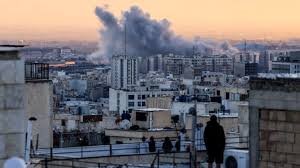

The signing ceremony happens Thursday in Davos. President Donald Trump will launch his Board of Peace on the margins of the World Economic Forum, pitching it as the answer to Gaza’s reconstruction after more than a year of Israeli devastation. But the board’s official charter tells a different story. Gaza is not mentioned once.
What Trump announced as a mechanism to rebuild the Gaza Strip has morphed into something far more ambitious and troubling. The eleven-page charter outlines a sweeping mandate for a new international organization that seeks to promote stability and secure peace in conflict zones worldwide. This is not about Gaza alone. This appears to be an attempt to challenge the United Nations itself.
The structure reveals the ambition. Trump sits at the top as chairman with final authority on interpreting the charter and veto power over key decisions including membership removal and executive board actions. Below him sits a founding executive council that votes on budgets, policy and senior appointments. The seven-member executive board implements the mission and includes former British Prime Minister Tony Blair, Secretary of State Marco Rubio and Trump’s son-in-law Jared Kushner.
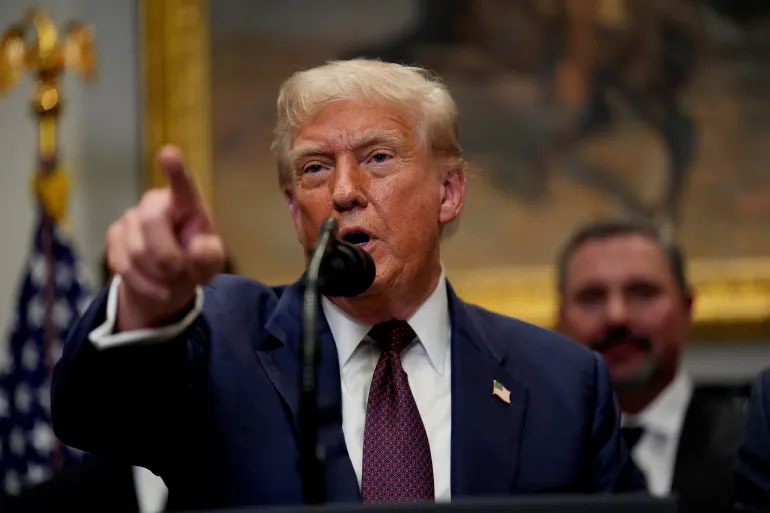
Trump himself made the anti-UN sentiment explicit. Speaking at the White House on Tuesday, he praised his own initiative while criticizing the international body. “I wish the United Nations could do more. I wish we didn’t need a board of peace, but the United Nations, you know, with all the wars I settled, United Nations never helped me on one war,” Trump told reporters. The message could not be clearer: the UN has failed and America will build something new.
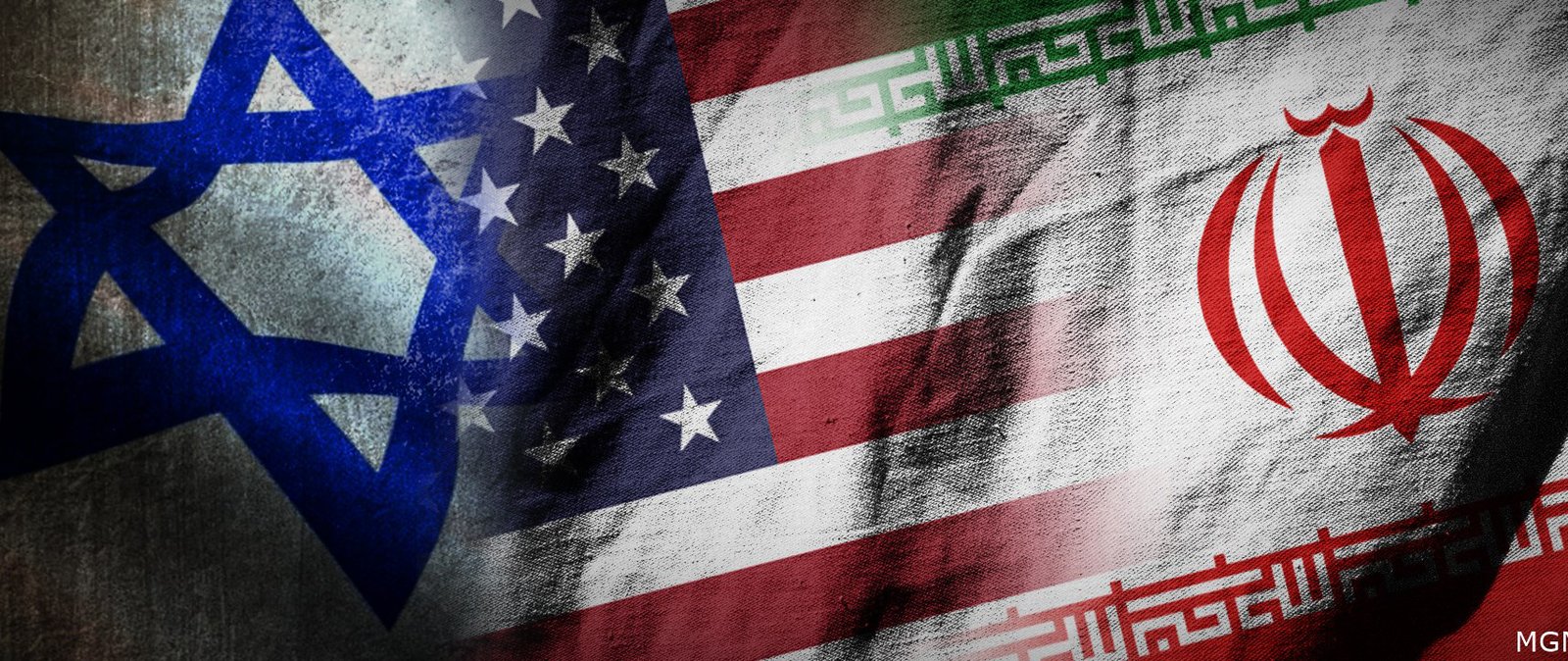
Countries are choosing sides. Israel confirmed participation despite Prime Minister Benjamin Netanyahu facing an International Criminal Court warrant for war crimes in Gaza. Netanyahu’s office initially criticized the executive committee composition because it includes Turkey, a regional rival. But he reversed course and announced Wednesday that Israel would join. His participation intensifies concerns about the board’s objectivity given that Trump controls membership and direction while Netanyahu stands accused of crimes against humanity in the very territory the board claims to help.
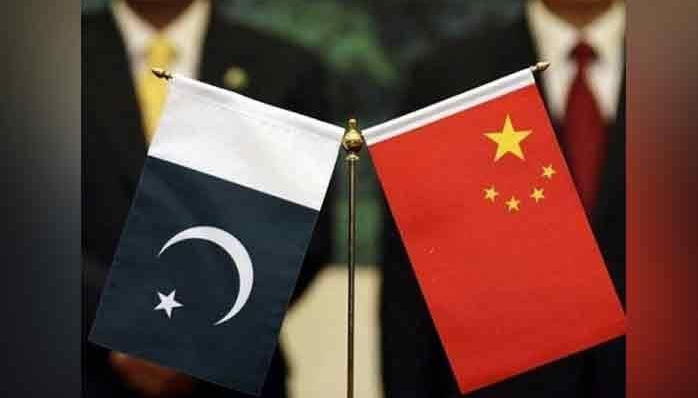
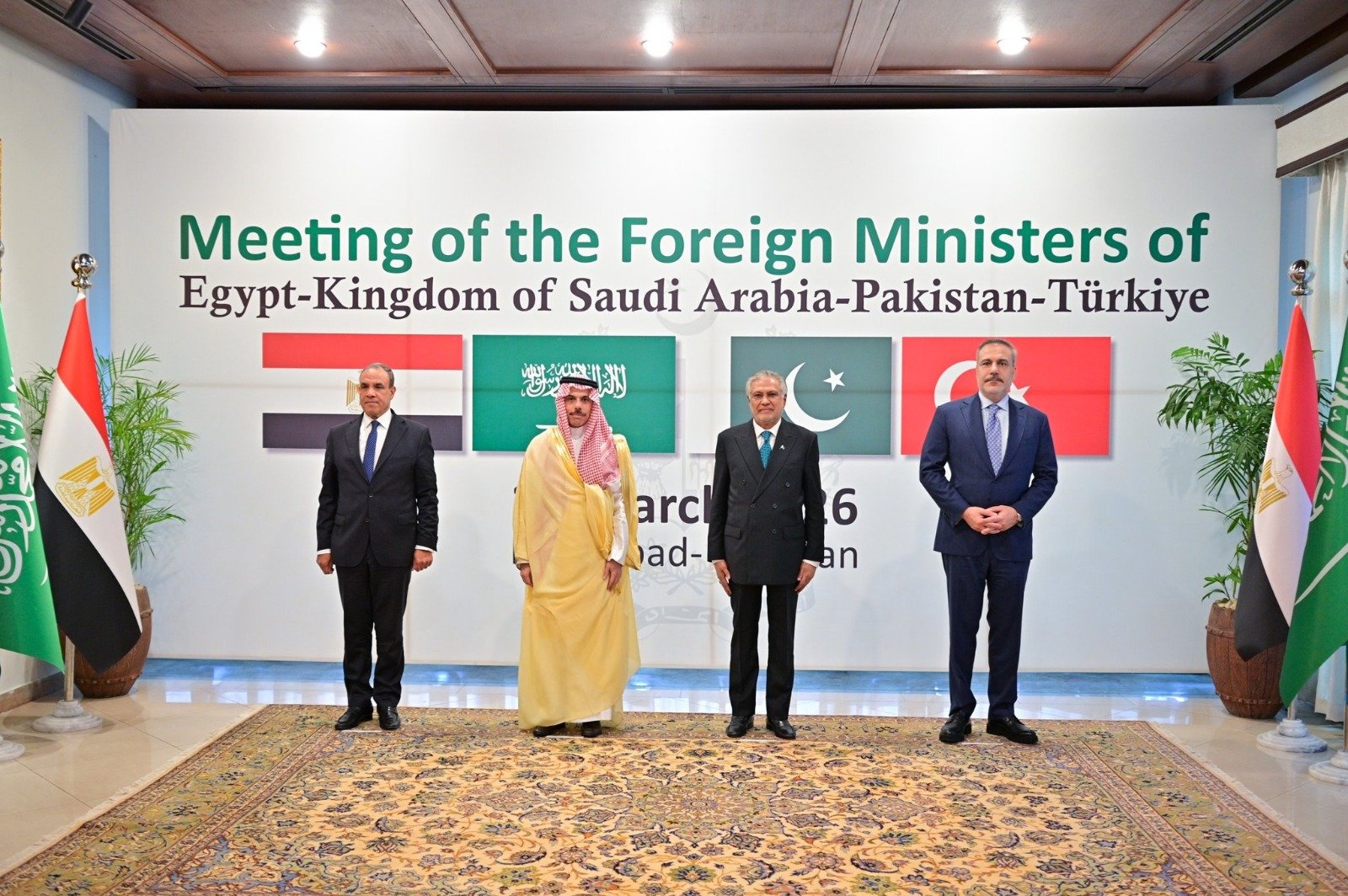
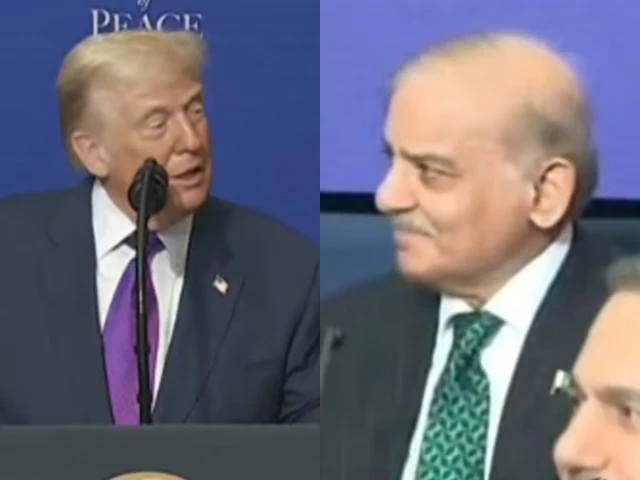
Pakistan joined on Wednesday. The Foreign Ministry expressed hope that concrete steps would follow toward implementing a permanent ceasefire, scaling up humanitarian aid and reconstructing Gaza. Egypt’s President Abdel Fattah el-Sisi also agreed to participate. The United Arab Emirates, Morocco, Argentina, Hungary and Belarus rounded out the early commitments.
The motivations are transparent according to analysts. Andreas Krieg, associate professor of security studies at King’s College London, said countries joining want access and leverage. “They will want a direct line into the White House, a seat in the room where contracts, corridors, crossings and timelines are decided, and a chance to shape what ‘post-Hamas’ means before facts harden on the ground,” Krieg told Al Jazeera. Participation amounts to buying insurance against future exclusion.
Filippo Boni, senior lecturer in politics and international studies at the Open University in the UK, framed the choice starkly. “Either join the board and undermine the UN or refuse to join and potentially face tariffs from the US,” he said. The threat is implicit but understood.
At least four countries rejected the invitation outright. France, Denmark, Norway and Sweden confirmed they will not participate. Swedish Prime Minister Ulf Kristersson announced the decision to reporters in Davos on Wednesday. Denmark faces particular pressure from Washington over Greenland as Trump has repeatedly suggested the US should acquire the semiautonomous Danish territory, even threatening force if Copenhagen refuses.
The undecided list is long and revealing. China and Russia received invitations but have not confirmed participation. Most of Europe including close US allies like the UK, Germany and Italy have not said whether they will join. India, Indonesia, Japan and Thailand are weighing their options.
China’s hesitation makes sense given Beijing’s own global governance framework. Chinese President Xi Jinping launched the Global Governance Initiative in 2025 as a governance framework promoting multilateralism. Beijing advocates for UN principles and laws as the guiding pillars of international relations. Trump’s board represents a competing vision.
The financial structure reveals another layer of ambition. Membership normally lasts three years but states contributing more than one billion dollars in the first year gain permanent seats. Boni said any country willing to pay that price would make the decision based on politics not economics. “The choice is to either challenge multilateralism and the rule-based international order with the UN at its centre or to continue abiding by it, thereby refusing to endorse US leadership under this new framework,” he explained.
Krieg suggested some wealthy states may see value in paying for influence though even they may proceed cautiously. “Beyond the Gulf, a country like Japan could afford it, but I would expect Tokyo to be cautious about a paywall model that weakens UN norms. India can afford it too, but Delhi rarely pays to join someone else’s club unless the return is concrete and immediate,” he said.
The deepest concern centers on whether the board will replace or hollow out the UN. The United Nations has served as the cornerstone of global diplomacy for eight decades despite failures and repeated violations of its rules by powerful states like the US and Israel. Masood Khan, former Pakistani ambassador to the US and UN, rejected the idea that UN failure in Gaza reflected institutional collapse. “The UN was prevented from acting. It did not choose inaction,” he said, alluding to repeated US vetoes that paralyzed the Security Council.
Trump cut funding to several UN-affiliated bodies during his second term. The Board of Peace charter contrasts sharply with UN principles. Boni noted that while the UN Charter enshrined equal rights for large and small states after World War II, the board charter is essentially a list of rules to join the club where no such principles appear present.
Krieg said fears about hollowing out the UN are well founded. “You do not need to abolish the UN to hollow it out. You can drain attention, drain money and create a habit where the big calls move to ad hoc bodies chaired by major powers,” he explained. The UN still carries something the board cannot easily replicate: near-universal membership, legal standing and the machinery of agencies that can operate at scale. The risk is that the board turns the UN into a service provider that takes instructions rather than sets terms.
Countries wanting the UN to survive as the main stage will resist joining the board, fund UN channels and treat the board as a temporary tool tied to Gaza rather than a model for global conflict management. The choice before the international community is stark and the decisions made in coming weeks will shape the architecture of global governance for years to come.