
Top Story | Republic Policy Editorial Desk
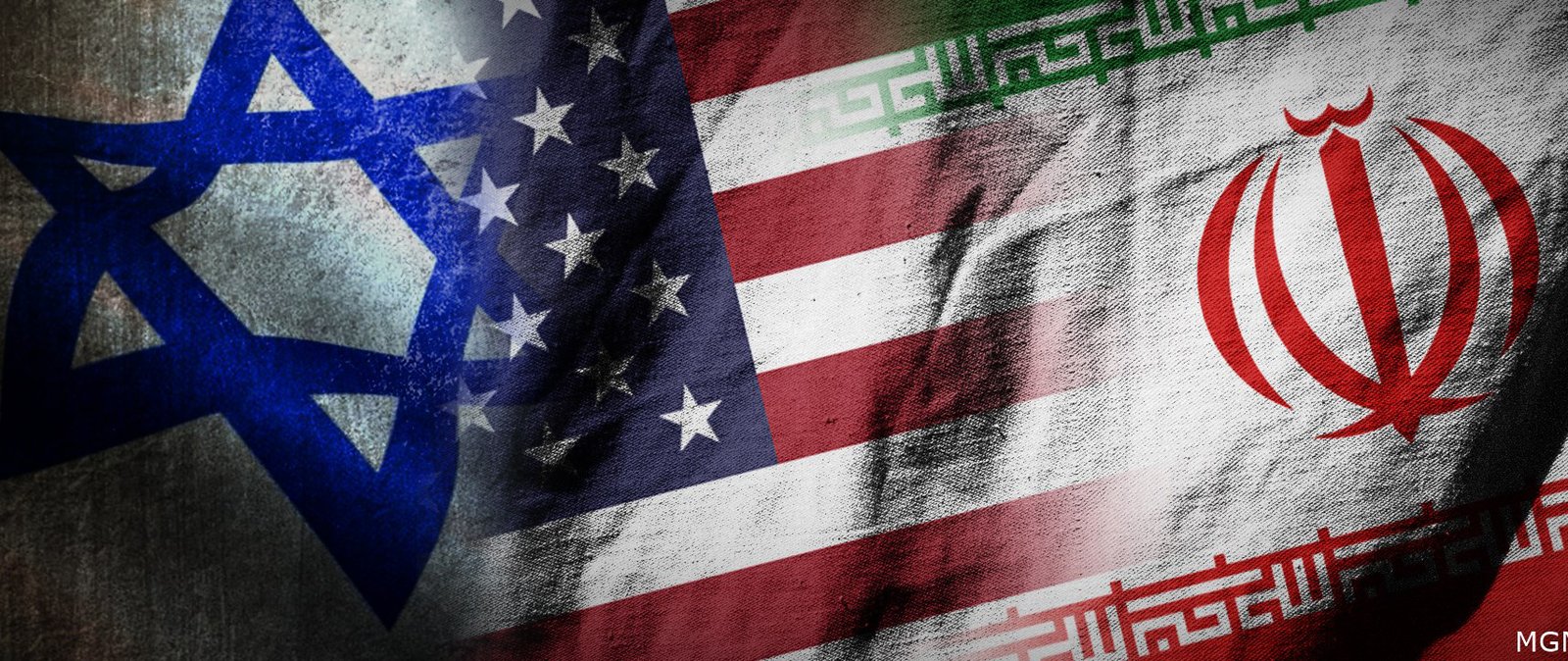
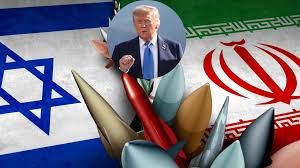
After nearly half a century of tense but mostly concealed hostilities between the United States and Iran, the conflict has now erupted into the open. With President Donald Trump’s recent authorization of military strikes on Iran’s nuclear sites—reportedly encouraged by Israel—the long-running shadow war has taken a dramatic and dangerous turn. While immediate tactical success is being claimed, the long-term consequences are anything but certain.
For decades, successive US administrations grudgingly preferred diplomacy over direct conflict, believing it to be the more prudent path. That restraint has now been cast aside. According to Kenneth Pollack, a former CIA analyst and Middle East policy expert, the ultimate test of this strike’s effectiveness will come not in weeks, but over the next three to five years. “We’ll only know if it succeeded if Iran doesn’t acquire nuclear weapons in that time—which now they have even more reason to pursue,” he warned.
Crucially, US intelligence had not concluded that Iran was actively building a nuclear bomb. Tehran’s nuclear activities were largely viewed as a form of strategic leverage. Many experts believe Iran had anticipated the possibility of strikes and likely took steps to safeguard its key facilities. That raises further doubts about the efficacy of this military action.
Trita Parsi, executive vice president of the Quincy Institute and a well-known critic of military solutions, argued that the strikes may in fact accelerate the very outcome the US fears. “Trump has now made it more likely that Iran will become a nuclear weapons state within the next five to ten years,” he stated. He cautioned against celebrating a quick tactical win as a broader strategic success, likening the moment to President Bush’s ill-fated “Mission Accomplished” speech after the invasion of Iraq.
The timing of the attack is also significant. Trump ordered the strikes just days after Israel launched a broad military campaign in the region, while Iran found itself politically and regionally isolated. Since the October 7, 2023 Hamas attack on Israel, Tel Aviv has responded with overwhelming force—devastating Gaza, confronting Hezbollah in Lebanon, and further diminishing Iran’s regional allies. Bashar al-Assad’s fall in Syria in December further eroded Tehran’s strategic depth in the Arab world.
Proponents of the strikes argue that diplomacy had run its course and failed to produce results. Iran, they claim, remained defiant in its pursuit of uranium enrichment and refused to return to any meaningful compromise. Ted Deutch, former congressman and now head of the American Jewish Committee, stated, “The administration gave diplomacy a real chance. The murderous Iranian regime refused to make a deal.”
Top Republican Senator John Thune echoed that sentiment, pointing to Iran’s threats against Israel and harsh rhetoric toward the United States as evidence that Tehran had “rejected all diplomatic pathways to peace.”
Yet critics counter that such rhetoric ignores the broader context. Israel itself possesses an undeclared arsenal of approximately 90 nuclear warheads, according to the Center for Nuclear Arms Control and Non-Proliferation. Numerous UN resolutions—including General Assembly Resolution 41/93 (1986)—have urged Israel to open its nuclear facilities to international inspection and adhere to the IAEA safeguards. This long-standing asymmetry in nuclear accountability has fueled Iran’s suspicions and justified, in its view, the pursuit of nuclear deterrence.
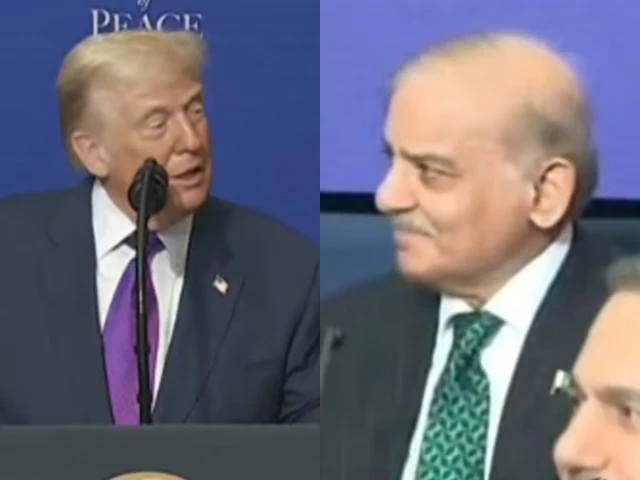
The strikes also marked a dramatic reversal for Trump personally. Just weeks ago, during a visit to Gulf monarchies, he described himself as hopeful about a renewed diplomatic agreement with Iran. His administration was reportedly laying the groundwork for talks. But Netanyahu’s aggressive posture and the sudden escalation shifted Trump’s calculus, leading to an abrupt and risky change in approach.
Jennifer Kavanagh, director of military analysis at Defense Priorities, warned that this sudden U-turn could have lasting diplomatic consequences. “Trump’s decision to cut short his own diplomacy will make it far more difficult to negotiate a new deal in the future,” she noted. “Iran now has no reason to trust the U.S. or believe that compromise serves its interests.”
The geopolitical implications of the strikes are far-reaching. According to Karim Sadjadpour, senior fellow at the Carnegie Endowment for International Peace, the bombing of Iran’s nuclear facilities marks a watershed moment in modern international relations. “This is an unprecedented event that may redefine the future of Iran, the Middle East, global nuclear non-proliferation, and possibly even the world order itself,” he wrote. “Its consequences will be felt for decades.”
In the end, what appears on the surface as a bold, decisive move may in fact unleash a series of unpredictable chain reactions: the hardening of Iran’s regime, acceleration of its nuclear ambitions, deepening global divisions, and the erosion of diplomatic credibility. As history has often shown, wars are easier to start than to end—and success in the first few weeks is rarely a guarantee of long-term peace.