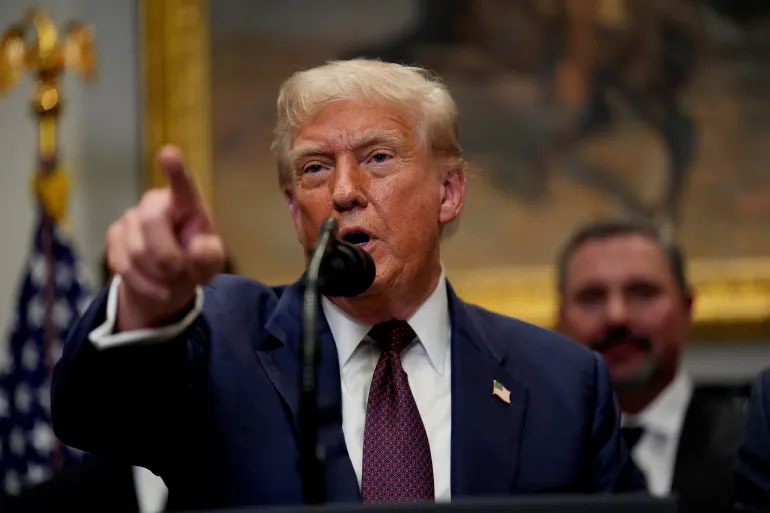
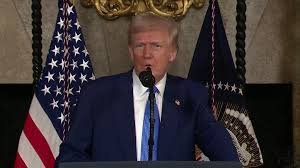
Former US President Donald Trump has said that Washington believes the Ukraine peace process has the “makings of a deal,” while Ukrainian President Volodymyr Zelensky has echoed this optimism, claiming negotiations are around 90% complete. Despite this confidence, several major obstacles remain as talks move toward a possible conclusion.
The most difficult issues continue to revolve around territory, security guarantees, and economic arrangements. Zelensky has proposed a compromise on Russia’s demand that Ukraine surrender nearly a quarter of the eastern Donetsk region—territory Russian forces have failed to fully capture. However, Moscow is unlikely to accept Kyiv’s offer to withdraw Ukrainian troops up to 40 kilometres if Russia does the same, effectively creating a demilitarised or economic buffer zone. For the Kremlin, pulling back its forces remains a highly sensitive issue.
Any agreement would also face domestic hurdles in Ukraine. Zelensky would need to hold a national referendum to approve a final deal, which in turn would require a ceasefire. Russia has so far refused to agree to such a pause in fighting, complicating the political process in Kyiv.
The United States is reportedly planning to establish two working groups as talks advance, one focused on economic matters and the other on security guarantees. A central economic question concerns the Zaporizhzhia nuclear power plant, Europe’s largest, which is currently under Russian control. It remains unclear whether Russia would allow the US and Ukraine to jointly manage the facility.
On security, Ukraine is seeking firm guarantees from the US and Europe, similar to Nato’s Article 5, to ensure protection against future Russian attacks. Russia, however, remains strongly opposed to any European troop presence near the front lines.