
Sajar Asad
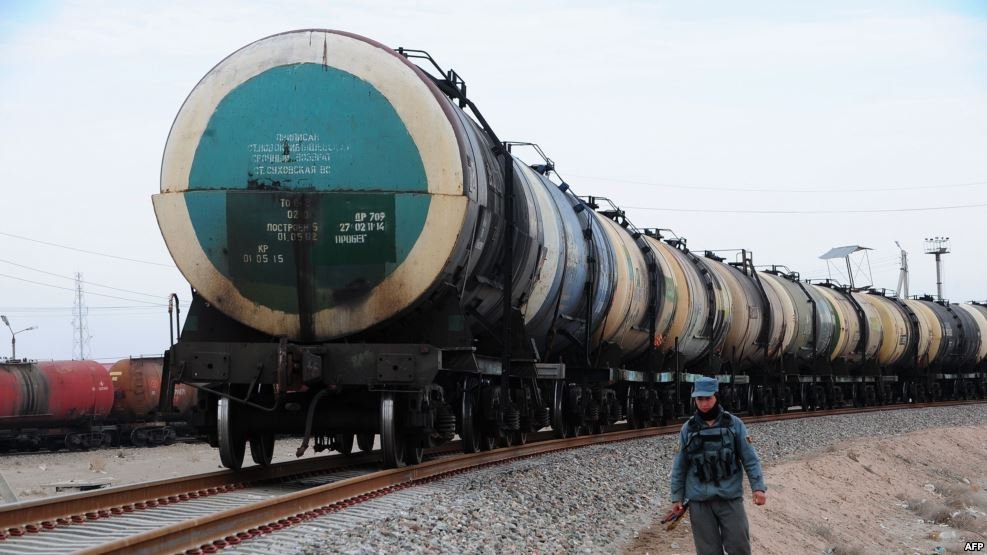
PAKISTAN’s enduring pursuit of enhanced surface connectivity through rail and road networks to foster trade, tourism, and cultural ties with Central Asian states has taken a significant step forward. In a trilateral protocol inked between Pakistan, Afghanistan, and Uzbekistan, the connection of Termiz with Kurram via Mazar-i-Sharif is set to materialize by integrating the Uzbek rail network with Pakistan Railways. This endeavor will facilitate passenger travel and freight services, profoundly impacting regional trade and economic growth by curbing cargo delivery time between Uzbekistan and Pakistan by approximately five days and reducing transportation costs by 40 percent. The countries involved have set an ambitious target to complete this venture by the end of 2027. This effort complements an even more ambitious plan to construct a 573km trans-Afghan railway track, for which the roadmap has already been signed by the three nations, aiming to link Central Asia with Arabian Sea ports. The Termiz-Jalalabad-Peshawar route will enable Central Asian nations to access global markets through Pakistan’s seaports.
These two transformative projects have the potential to unlock landlocked Central Asia for investment and trade opportunities while also allowing Pakistan to tap into the region’s and Russia’s energy markets. However, the realization of these plans depends heavily on Afghanistan’s stability and the improvement of security conditions in the war-torn nation, as it plays a crucial role in the success of such initiatives.

Click here to read the July issue of Republic Policy Magazine.
Simultaneously, Islamabad must address security challenges in Balochistan and Khyber Pakhtunkhwa, as both regions are vital links to the expansion of CPEC and economic cooperation with Central Asia. Yet, to fully exploit the potential of linkages with the Central Asian Republics, the involvement of other South Asian countries, particularly India, is essential. A fully open, secure, and cooperative South Asia is the key to guaranteeing the success of these transformative railway projects.
Subscribe our website for latest updates:
https://republicpolicy.com/shop/
Read More