
Editorial
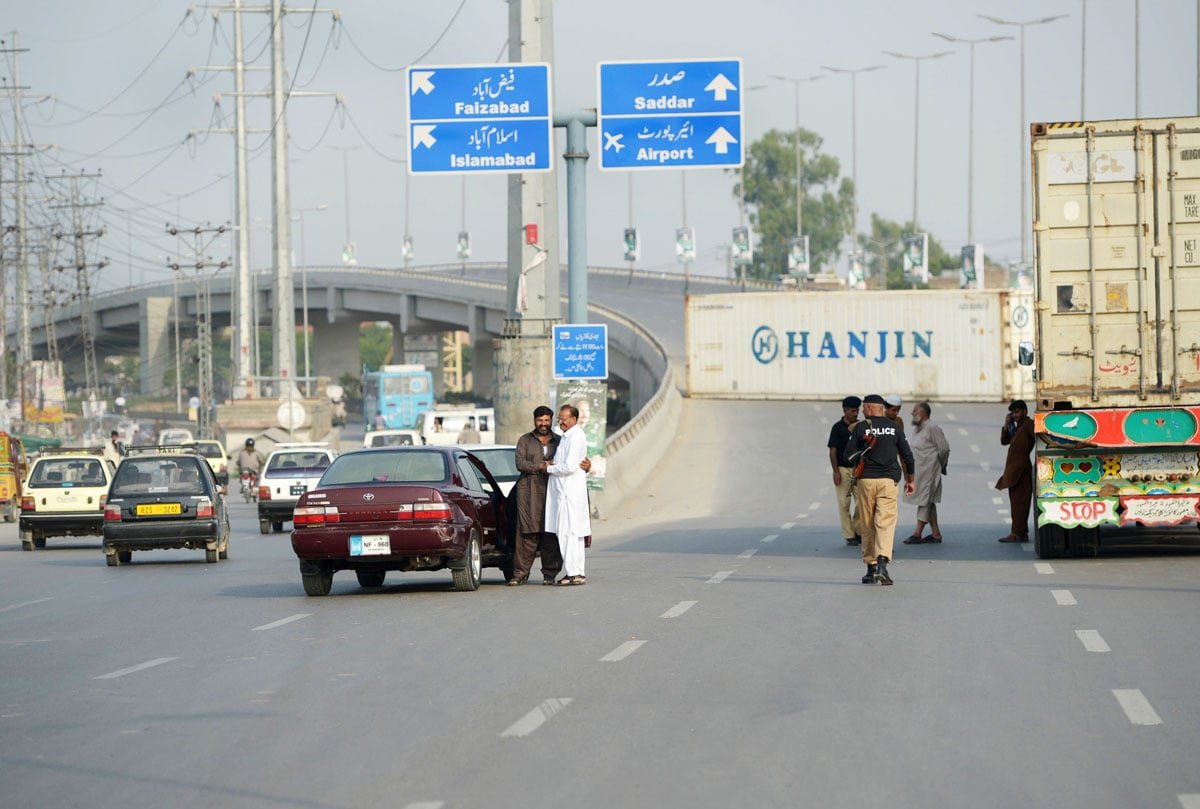
There is growing criticism in Islamabad over the cutting of trees and rapid development that many believe is damaging the city’s natural beauty. This concern matters, but it is not the core issue. The real question is about authority and legitimacy. Who has the political and constitutional right to decide how Islamabad should grow. Who should shape its future, the people through their elected representatives, or a small group of unelected bureaucrats.
The Constitution of Pakistan is clear in its spirit and scheme. Through devolution, it places decision making at the local level. Islamabad is not just a federal territory of files and offices. It is a living city with residents who experience the consequences of every development decision. Roads, housing schemes, tree cutting, and zoning directly affect their quality of life. These decisions should therefore rest with a representative local government, not with deputy commissioners, commissioners, or federal bureaucrats acting in isolation.
When a few bureaucrats decide the fate of an entire city, it creates a democratic deficit. Bureaucracy is designed to implement policy, not to define the social, environmental, and cultural direction of a city. Development without public consent may be efficient on paper, but it lacks legitimacy and sustainability. This is why such projects often face public backlash and mistrust.
The Islamabad debate exposes a deeper and recurring flaw in Pakistan’s governance model. Unelected decision making has become normal. Policies that do not reflect the will of the people are imposed from above. This weakens democracy and distances citizens from the state.
The solution is neither complicated nor radical. Let the people decide the fate of their districts. Let empowered local governments plan development, protect the environment, and balance growth with sustainability. Bureaucrats should support and execute these decisions, not replace them. Islamabad’s future, like every city’s future in Pakistan, must be shaped by those who live in it, not by those who merely administer it.