
The head of the World Health Organization has warned that recent Israeli strikes on Iranian oil facilities may create serious public health risks, particularly for children and elderly people.
Tedros Adhanom Ghebreyesus said in a statement on Monday that damage to petroleum infrastructure in Iran could lead to contamination of food, water, and air. He cautioned that such environmental pollution may have severe health consequences, especially for vulnerable groups including children, older adults, and people already suffering from medical conditions. Reports have also emerged of oil-contaminated rain falling in some parts of the country.
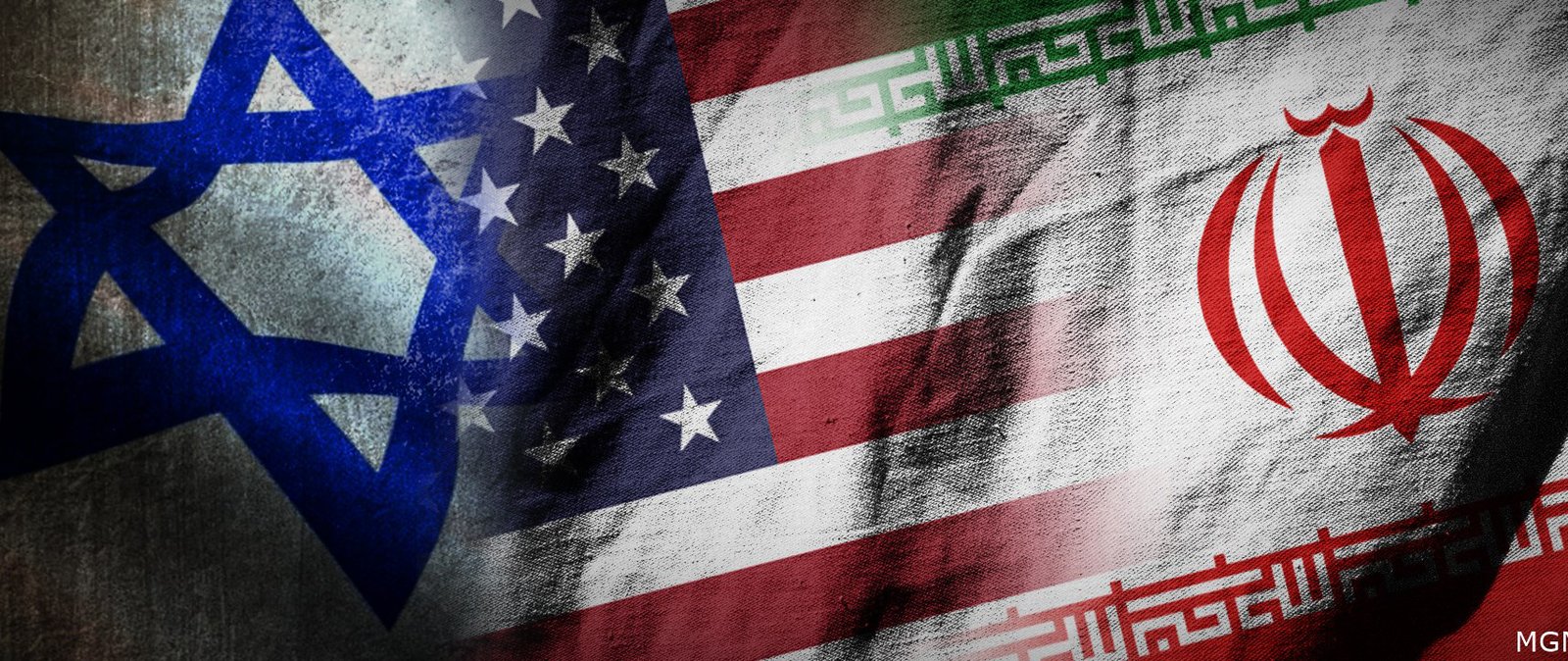
Iranian authorities stated that oil facilities in Tehran and the nearby Alborz Province were targeted on Saturday as part of the ongoing conflict involving the United States and Israel. Israel confirmed that it had struck several fuel storage sites in Tehran, claiming they were used to support military infrastructure.
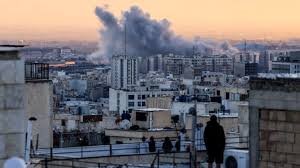
The strikes caused massive fires and thick black smoke to rise over the Iranian capital. Witnesses and local reports indicated that dark, oily raindrops were seen falling early Sunday morning.
The attacks come as Washington and Tel Aviv have pledged to continue military operations despite growing international concern about the widening conflict. Iran has responded by launching missiles and drones at targets across the Middle East, including energy infrastructure in nearby Gulf countries.
Human rights organizations have criticized all sides for attacks affecting civilian infrastructure. Agnes Callamard, head of Amnesty International, said Israel should have taken stronger precautions to avoid harm to civilians when targeting oil refineries. She warned that the release of toxic substances and the reported damage suggest that insufficient measures were taken to protect civilians, who continue to bear the brunt of the escalating conflict.