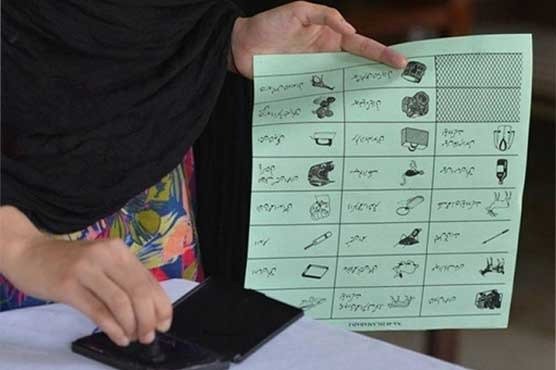

A Brief Analysis !
Voting is an essential civic duty and a right of every citizen in a democracy. It allows the people to choose their representatives and hold them accountable for their performance. It also gives the people a voice in the policies and decisions that affect their lives.
According to a public opinion report on democracy in Pakistan by Gallup & Gilani Surveys 2019, nearly 3 in 5 Pakistanis (59%) opined that democracy is better than all other political systems. However, this indicator is further improving for better. Presently, 3.5 in 5 Pakistanis consider democracy as the best mode of governance in Pakistan according to a latest survey by Republic Policy conducted in March-April 2023.
Accordingly, the most important characteristic of democracy for majority Pakistanis is bridging the gap between the rich and poor in electing representatives, and ensuring democratic participation and providing right to vote to all citizens, as these are seen as an integral part of a fulfilling public life.
Voting can bring changes in politics by empowering the people to elect leaders who share their vision and values, and by creating a competitive environment for political parties to deliver on their promises and agendas. Voting can also increase the legitimacy and credibility of the government, and foster a sense of civic engagement and responsibility among the citizens.
Pakistan has a federal parliamentary democratic republic system, where the people elect a bicameral legislature, the Parliament of Pakistan, consisting of a lower house called the National Assembly, and an upper house called the Senate. The head of government, the Prime Minister, is elected by the majority members of the National Assembly and the head of state, the President, is elected by the Electoral College, which consists of both houses of Parliament together with the four provincial assemblies. Voters elect provincial legislatures which elect Chief Ministers. Pakistan also elect local government members in thousands to ensure voting a normal political activity in the federal set-up of Pakistan.
The Election Commission of Pakistan, a constitutionally-established institution chaired by an appointed and designated Chief Election Commissioner, supervises the general elections. The Constitution dictates that the general elections be held every five years when the National Assembly has completed its term or has been dissolved and that the Senatorial elections be held to elect members for terms of six years. Accordingly, the general national elections are around the corner & should be held in October, 2023.
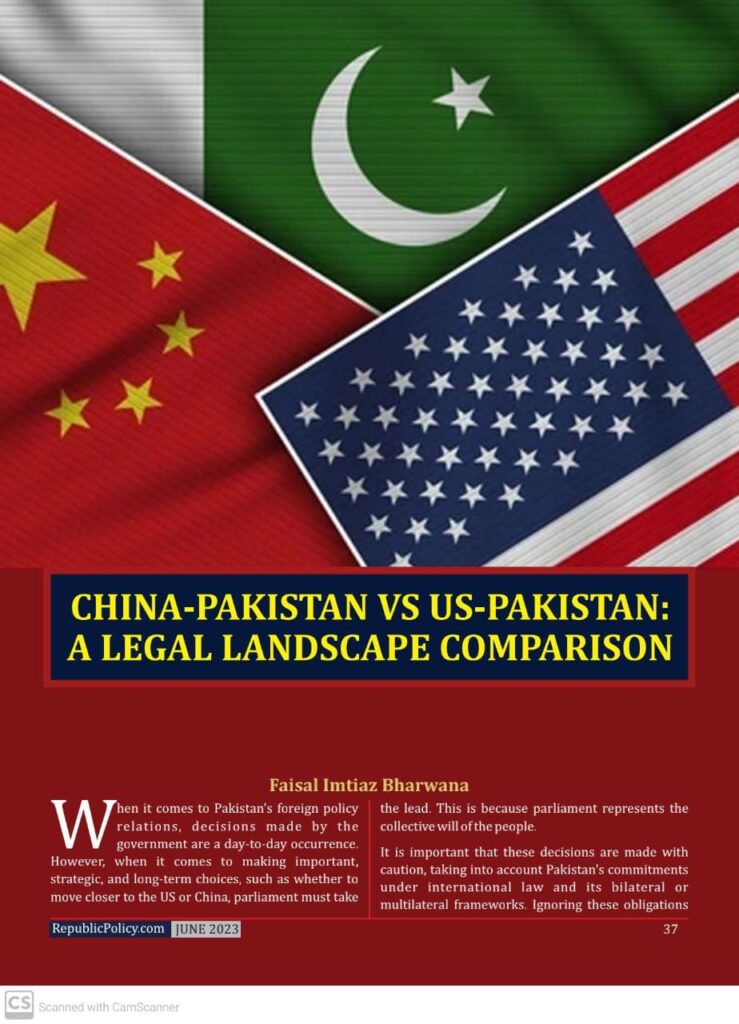
Voting is critical for citizens in Pakistan because it is their constitutional right and duty, and because it can influence the direction and quality of governance in the country. Voting can also strengthen the democratic system and culture in Pakistan, and promote peace and stability in the region. It’s also vital to strengthen the democracy in Pakistan. The foremost political right of the people to elect their representatives and ensure People’s sovereignty to rule. Then, voting in great numbers ensure political stability critical for governance & economy. It also brings social and political order. Hence, democracy is the fundamental political right of the people and voting is the process to attain it. Thus, it’s essential that each Pakistani vote in coming general elections.
Election Cell,
republicpolicy.com