
Safina Ramzan
The International Day of Sports is a globally celebrated event that takes place annually on April 6th. This day is dedicated to promoting the significance of sports and physical activity in human life. The significance of sports in society cannot be overemphasized. It is not only essential for physical fitness but also for mental health, social interaction, and personal development.
The International Day of Sports is an opportunity to raise awareness about the benefits of sports and physical activity. It highlights how sports can improve physical health by reducing the risk of chronic diseases such as obesity, heart disease, and diabetes. Additionally, it emphasizes the importance of sports in enhancing mental health by reducing stress, anxiety, and depression.
This day also recognizes the role of sports in promoting social interaction and cultural integration. Sports have the power to bring people together from different backgrounds, cultures, and religions. It fosters respect, understanding, and tolerance among individuals, communities, and nations.
Furthermore, the International Day of Sports also highlights the contribution of sports to education, poverty alleviation, and social inclusion. Sports can provide opportunities for young people to develop essential life skills such as teamwork, leadership, and discipline. It can also be used to promote education, gender equality, and environmental sustainability.
The International Day of Sports is also an occasion to recognize the achievements of athletes, coaches, and sports organizations. It is a day to celebrate the spirit of sportsmanship, fair play, and integrity. It is a day to inspire young people to pursue their dreams in sports and to work towards achieving their goals. Therefore, the International Day of Sports is an essential day that promotes the importance of sports and physical activity in human life. It is a day to celebrate the positive impact of sports on physical and mental health, social interaction, personal development, education, and poverty alleviation.
Pakistan can learn from the International Day of Sports by recognizing the importance of sports and physical activity in human life. The day highlights the benefits of sports in promoting physical and mental health, social interaction, personal development, education, and poverty alleviation. Pakistan can take inspiration from the day and work towards promoting sports in society.
One way to do this is by increasing access to sports facilities and playgrounds, especially for children and youth. The government can invest in building more sports facilities and providing opportunities for sports education at all levels of education. This can help in nurturing sports talent at the grassroots level and widen the landscape of career choices for young people.
Pakistan can also work towards promoting gender equality in sports by providing equal opportunities for both boys and girls. The government can take steps to eliminate social barriers that prevent girls and women from participating in sports and encourage them to pursue their dreams in sports.
Furthermore, Pakistan can learn from countries that have successfully integrated sports into their education systems. The government can introduce physical education as a compulsory subject at all levels of education, and allocate time for sports activities in the school timetable. This can help in promoting sports as a career choice and inculcate a healthy lifestyle among young people.
Lastly, Pakistan can recognize and celebrate the achievements of athletes, coaches, and sports organizations to inspire young people to pursue their dreams in sports. By doing so, Pakistan can create a culture that values sports and recognizes its positive impact on society.
The International Day of Sport for Development and Peace (IDSDP) is an annual event held on April 6th that recognizes the positive role of sport and physical activity in communities and people’s lives worldwide. The theme for 2024 is ‘Sport for the Promotion of Peaceful and Inclusive Societies’. Unfortunately, policymakers in Pakistan have never given due attention to the importance of sports as a guarantor of a peaceful, healthy, and inclusive society.
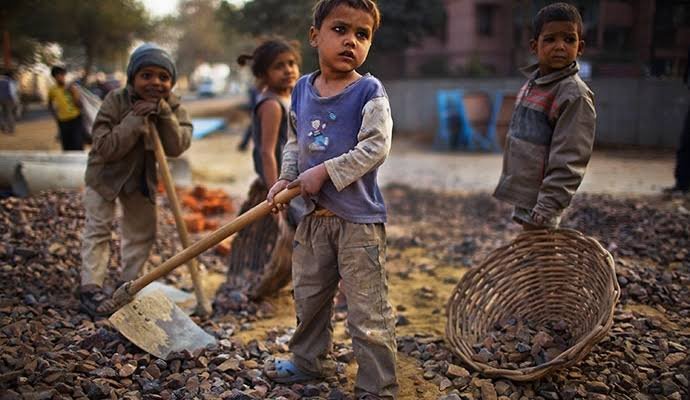
According to a 2018 report by the UNDP, only 7% of children and youth in Pakistan have access to a playground within or outside school, and over 60% don’t have access to any sports facilities. This is a cause for concern as sports and playgrounds are crucial for the overall development of children and youth.
At the primary and secondary levels of education, there are no opportunities for sports in most cases. In primary schools, there is no provision for Physical Education (PE) as a subject, nor a Physical Education Teacher (PET). Although a PET is present at secondary schools, no time or space is allocated for sports. The PE teacher is often utilized to make up for the deficiency of teaching staff, to act as a disciplinarian or to participate in extraneous community tasks such as polio campaigns and local or national celebrations.
The situation is even worse in private institutions where sports facilities are almost non-existent. Most private institutions do not support a playground, and those that do hold sports galas once a year to fulfil their duty of providing a “complete and comprehensive education”. This lack of facilities contributes to a scarcity of opportunities for pursuing a career in sports.
In our country, sports are predominantly considered a masculine prerogative. Social mores have stupefied our collective consciousness to the point that sports careers are unimaginable for girls. This marginalization of women makes it impossible to think of the inclusion of transgenders in sports.
Our social DNA is encrypted with sports as a waste of time and energy. Given the scarcity of opportunities to pursue one’s dream of becoming an athlete, sports are never treated as a career choice. In contrast, in countries like Finland, England, and China, physical education is taught as a compulsory subject or an ineluctable part of the school curriculum.
The lack of opportunities for pursuing sports is reflected in the scarcity of gold medals won by Pakistan at the Olympics. Countries much poorer and less populated than ours take pride in bagging gold medals at international sports events.
It is high time that physical education is introduced as a compulsory subject at all levels of education. Play periods must be a staple of the school timetable. At the tehsil level, a unitary sports college must be set up to nurture sports talent at the grassroots level. The required qualification for athletes’ admission to this college must be matriculation. This would reduce the number of out-of-school children and widen the landscape of career choices for students. Empty playgrounds are the harbingers of crowded hospitals; therefore, it is essential to promote sports and physical activity for the overall health and development of our society.
Please, subscribe to the YouTube channel of republicpolicy.com