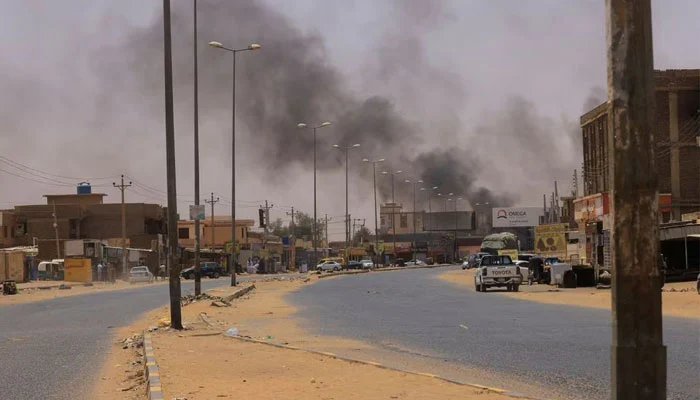

Mohamed Hamdan Dagalo, leader of Sudan’s Rapid Support Forces (RSF), has confirmed that his forces have retreated from the capital, Khartoum, as the Sudanese army strengthens its position. However, he warned that the battle against the army is far from over.
In a message shared via Telegram on Sunday, Dagalo—also known as Hemedti—acknowledged that the RSF withdrew from Khartoum last week as the army made significant advances. He explained that this was a tactical decision to reposition RSF forces in Omdurman, Khartoum’s neighboring city, as part of a broader strategy to continue the fight.
“This was a collective and tactical decision made by the leadership,” Dagalo said, adding that despite the retreat, the RSF is poised to return to Khartoum stronger and more victorious. He firmly rejected any rumors of ongoing negotiations with the Sudanese army, stating that there are no talks or agreements in progress, only “the language of arms.”
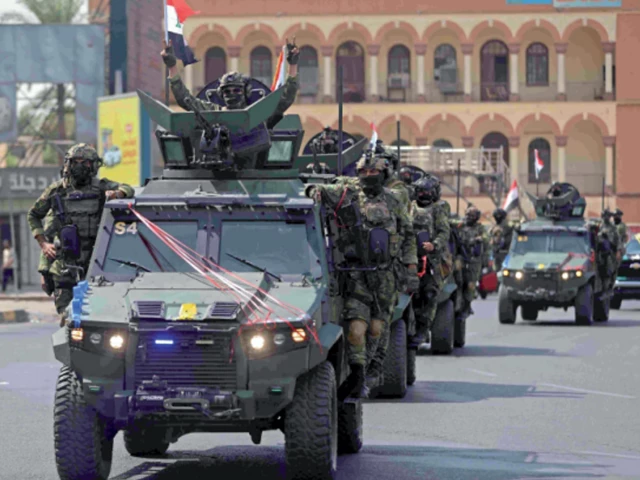
As the RSF pulls back, the Sudanese army has made significant territorial gains. On Saturday, the army secured a key market in Omdurman, which the RSF had previously used to launch attacks. With the army already controlling most of Omdurman, including vital military bases, it seems determined to capture the entire capital region, which comprises Khartoum, Omdurman, and Khartoum North—three cities separated by the River Nile.
Despite these setbacks, the RSF still maintains control of some areas within Omdurman. Meanwhile, Sudanese army chief Abdel Fattah al-Burhan, speaking on Saturday, emphasized the army’s resolve, declaring there would be no compromise or negotiations. “We will neither forgive nor negotiate,” he stated, stressing that the war will end only when every rebel has been removed from Sudan.
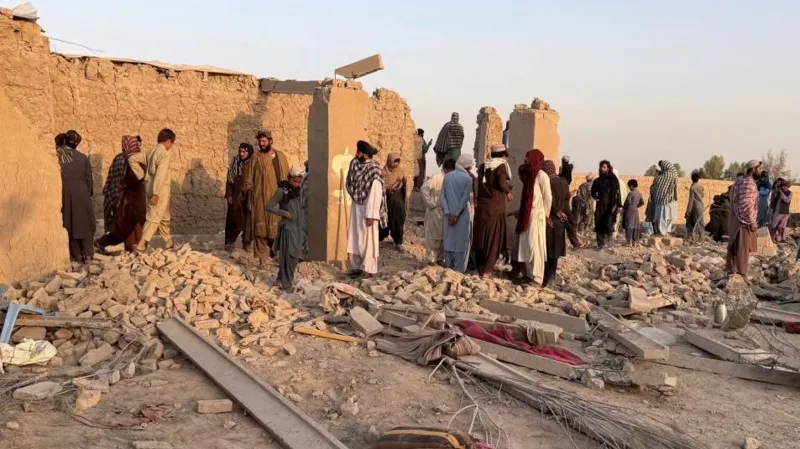
The ongoing civil war, which began as a power struggle between the army and the RSF, has devastated the country. The conflict has sparked what the United Nations calls the worst hunger and displacement crisis globally. More than 12 million people have been displaced, and tens of thousands have lost their lives. A recent UN-backed assessment has even declared famine in parts of the country. Though exact death tolls are difficult to determine, estimates suggest that over 61,000 people may have died in Khartoum alone in the first 14 months of the war.
As the situation continues to unfold, the path to peace remains uncertain, with both sides vowing to continue their respective campaigns until a decisive victory is achieved.