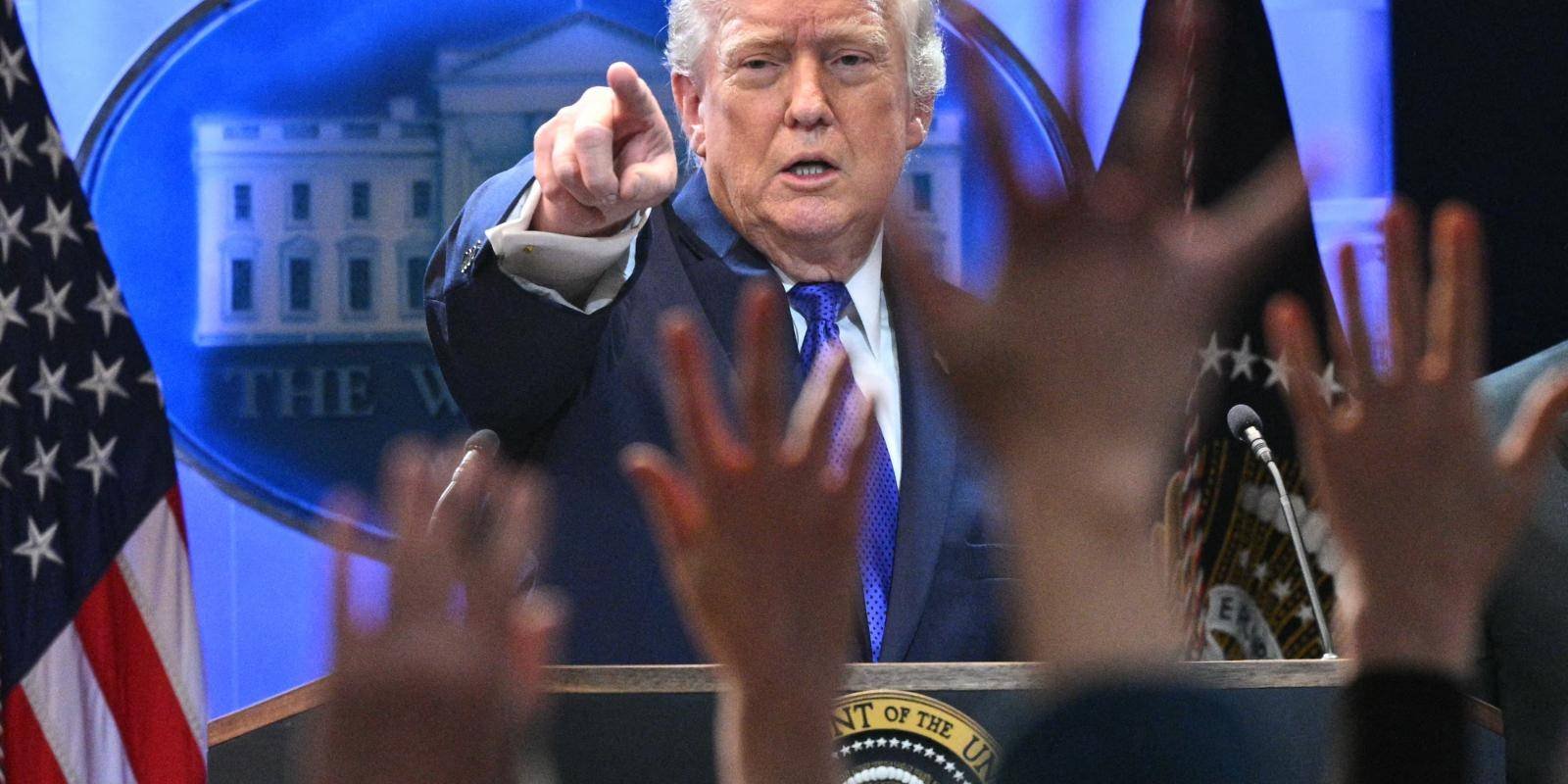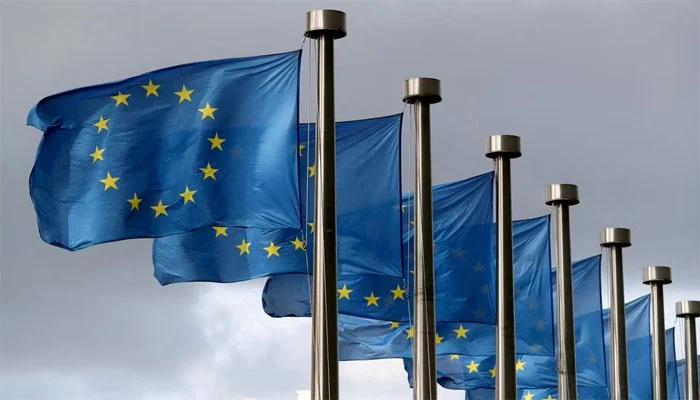

The European Union (EU) is preparing to take a strong stance against U.S. President Donald Trump’s tariffs, with plans to approve retaliatory measures targeting up to $28 billion worth of U.S. imports, including products from dental floss to diamonds. This would place the EU alongside China and Canada in imposing retaliatory tariffs against the U.S., marking a significant escalation in the ongoing trade tensions that some fear could trigger a global trade war, raising costs for consumers and potentially leading to a worldwide recession.
The EU, consisting of 27 nations, is currently facing 25% import tariffs on steel, aluminum, and cars. Starting Wednesday, reciprocal tariffs of 20% will apply to almost all other goods. Trump’s tariffs impact approximately 70% of the EU’s exports to the U.S., which totaled 532 billion euros ($585 billion) last year. Additional duties on products like copper, pharmaceuticals, semiconductors, and timber are expected soon.
In response to Trump’s steel and aluminum tariffs, the European Commission is preparing to propose targeted tariffs on U.S. products like meat, cereals, wine, wood, clothing, chewing gum, dental floss, vacuum cleaners, and even toilet paper. A key point of contention within the EU is the proposed 50% tariff on bourbon, which has prompted Trump to threaten a 200% tariff on EU alcoholic beverages in retaliation.
The EU’s economic policies heavily rely on free trade, and it is crucial for the bloc to maintain unity when responding to the U.S. tariffs. To ensure a coordinated approach, EU trade ministers will meet in Luxembourg on Monday to discuss the situation and agree on a united message: the EU is open to negotiating tariff removal with the U.S. but is prepared to take further action if talks fail.
While the EU strives for a common stance, different member countries have varying opinions on the response. France suggests a broader strategy beyond tariffs, with President Emmanuel Macron proposing that European companies halt investments in the U.S. until the situation is resolved. Meanwhile, Ireland, which exports a significant portion of its goods to the U.S., advocates for a more cautious approach. Italy, the EU’s third-largest exporter to the U.S., has even questioned whether retaliation is the best course of action.
Despite efforts to negotiate with Washington, talks have so far proven unproductive. The EU’s trade chief, Maros Sefcovic, called his recent discussions with U.S. officials “frank” and reiterated that the tariffs were “damaging” and “unjustified.”
The EU’s initial counter-tariffs are expected to be put to a vote on Wednesday and will likely be approved unless a significant number of EU members oppose them. These countermeasures will be implemented in two phases, with some set to take effect on April 15 and the rest a month later.
Additionally, Commission President Ursula von der Leyen will meet with executives from key industries such as steel, automotive, and pharmaceuticals to assess the tariffs’ impact and determine next steps.