Anthony Albanese has pulled off a historic win, securing a second term as Australia’s prime minister in a landslide victory that defied expectations and broke the so-called “incumbency curse.”
While the final vote count will take days, it’s already clear that Albanese’s center-left Labor Party has significantly expanded its majority. Meanwhile, the conservative Liberal-National Coalition suffered a crushing defeat, with leader Peter Dutton even losing his own seat after nearly 25 years in Parliament.
“Today, Australians chose fairness, aspiration, and opportunity,” Albanese told supporters in his victory speech, calling it a vote for compassion, resilience, and unity.
The election focused heavily on everyday concerns like rising living costs, unaffordable housing, and a healthcare system under strain. But international issues, including relations with China and the looming influence of Donald Trump on global politics, also played a role.
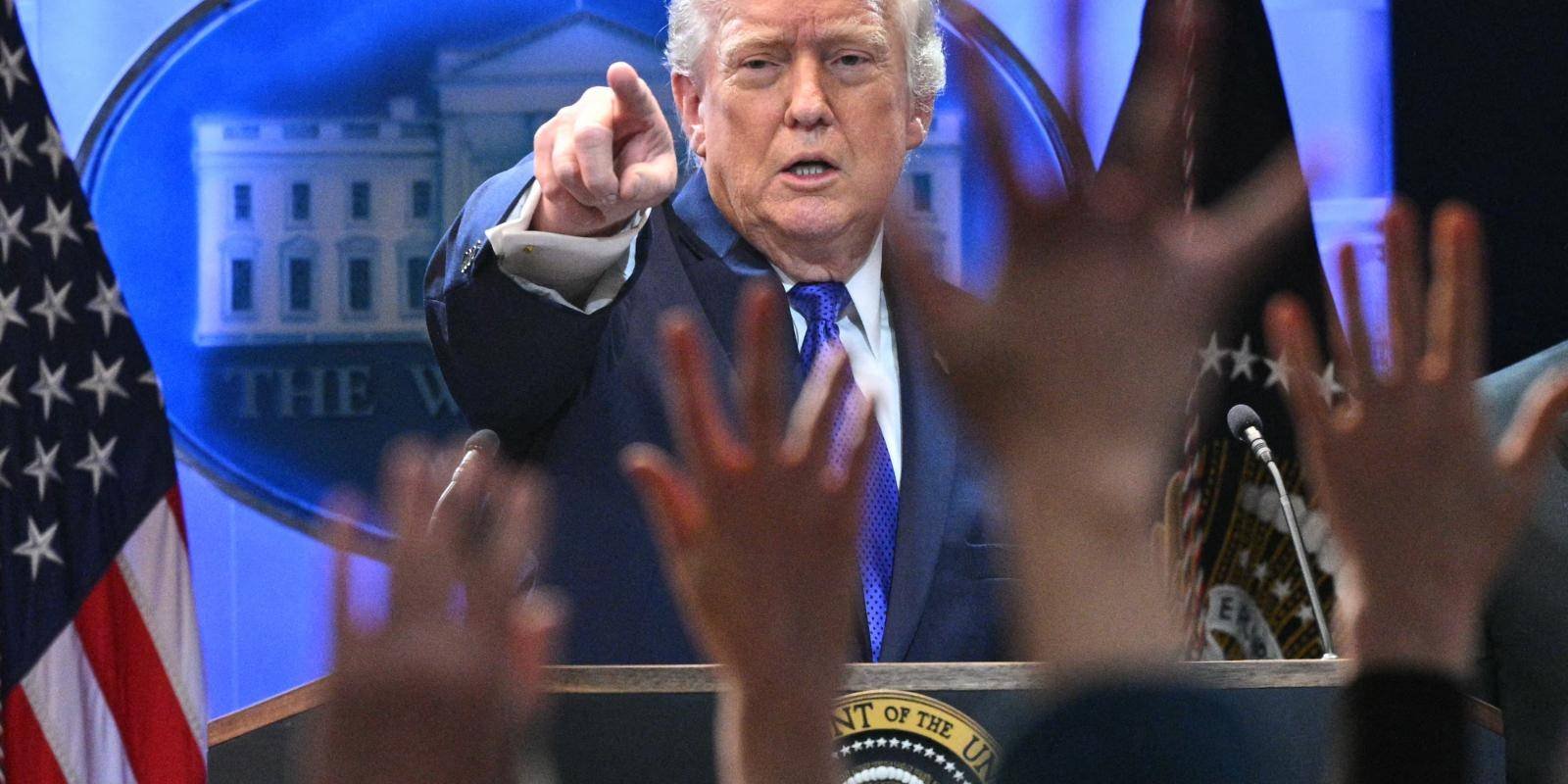
Dutton was often compared to Trump during the campaign due to his hardline stance on immigration, spending cuts, and foreign policy. Despite efforts to distance himself from those comparisons, they clearly hurt his image with moderate voters.
Labor’s win is especially notable because it bucks the global trend of voters tossing out first-term governments. In fact, Albanese is the first Australian PM in more than 20 years to win consecutive elections. His party gained support across the country—rare for a second-term government—and appears set to claim 86 seats, while the Coalition will end up with around 40.
Just a few months ago, it looked like Albanese was on shaky ground. His approval ratings had plummeted, and he was widely seen as vulnerable heading into the campaign. Yet, his calm, steady leadership—and a largely mistake-free campaign—resonated with voters. By contrast, Dutton’s campaign was full of stumbles, including policy flip-flops and a viral moment where he accidentally kicked a football into a cameraman.
In the final stretch, Dutton leaned into divisive “culture war” themes, which analysts say backfired. The Coalition now faces an identity crisis, with many questioning whether its shift further to the right is alienating moderate voters.
One senior Liberal strategist put it bluntly: “We keep fooling ourselves that a few quick fixes will win elections. We need a serious rethink.”
Labor’s victory also offers a chance to reverse a growing trend of voters abandoning the major parties. While the Greens and independent “teal” candidates held ground in some areas, their overall influence slipped.
Albanese now faces a big question: What will he do with this clear mandate? So far, he’s promised more affordable healthcare and housing, stronger action on climate change, and renewed efforts to close the gap between Indigenous and non-Indigenous Australians.
That last promise is particularly poignant after the crushing defeat of the 2023 Voice referendum, a defining moment of his first term. Many Indigenous Australians feel sidelined by the outcome, and Albanese acknowledged the challenge of moving forward on reconciliation.
With the world in political flux, Australian voters chose stability over upheaval—and gave Albanese the chance to prove what his government can deliver with real power.