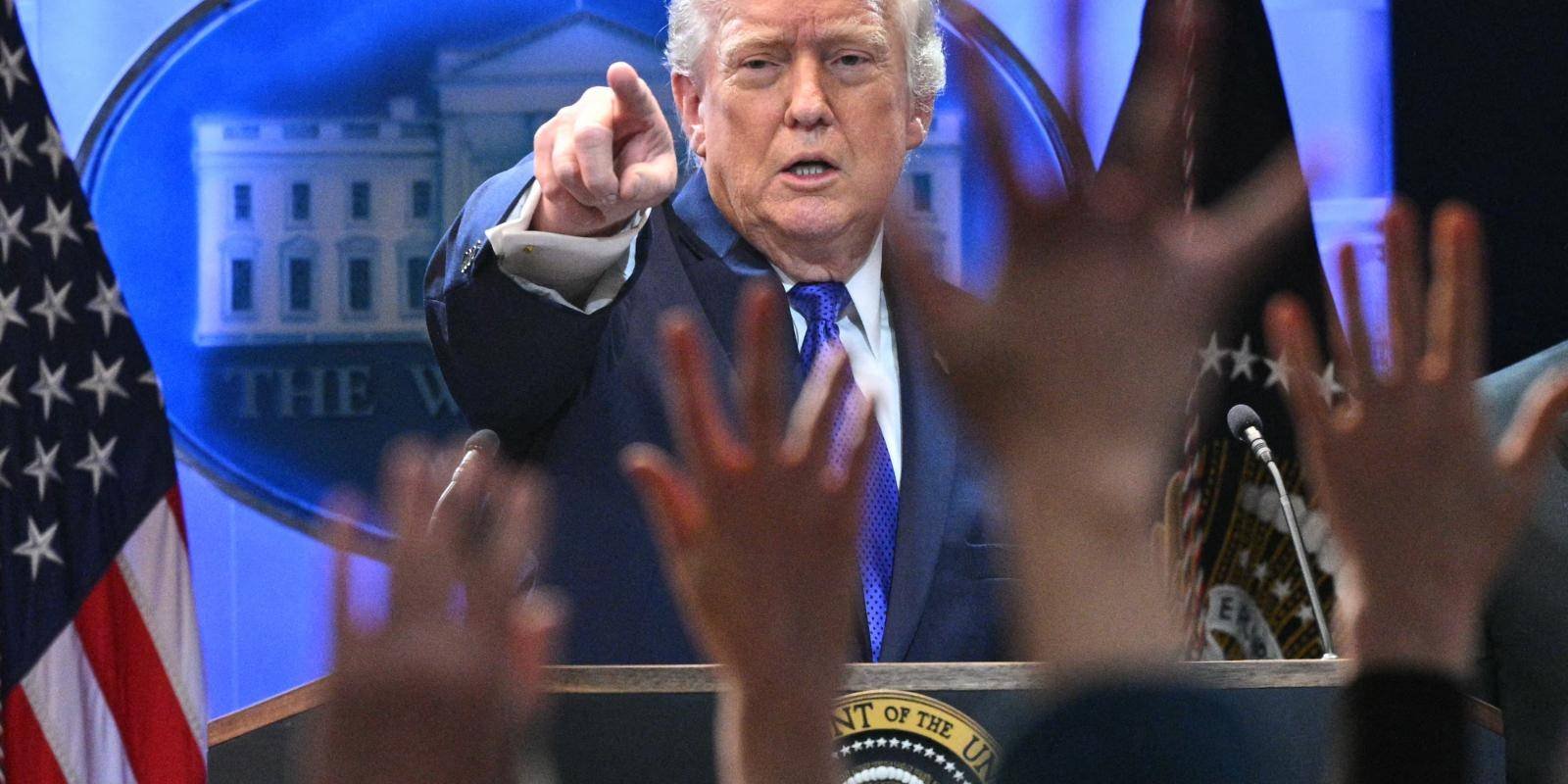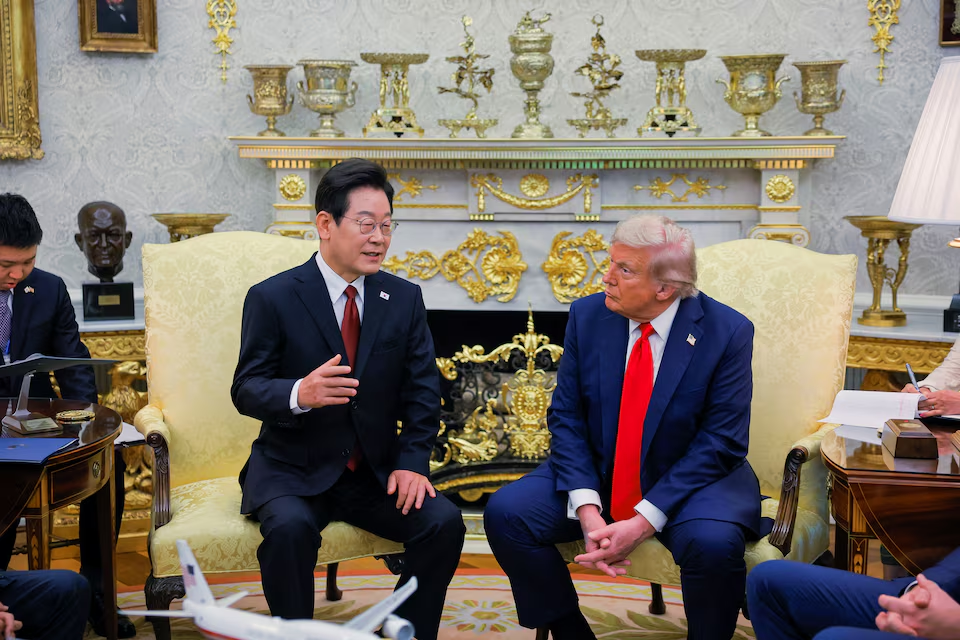

South Korean President Lee Jae Myung made his first official visit to the White House on Monday for a summit with U.S. President Donald Trump, during which Trump stated his desire to meet with North Korean leader Kim Jong Un before the end of the year. Despite welcoming his counterpart, Trump also leveled new criticisms at the key Asian ally, signaling that persistent friction remains over trade, military spending, and nuclear energy even after a recent trade agreement.
Adopting a notably non-confrontational approach, Lee lavished praise on Trump’s peacemaking and interior decorating, having reportedly read “Trump: The Art of the Deal” to prepare for the meeting. He encouraged Trump to pursue peace on the Korean Peninsula, suggesting the American president could “build a Trump World (real-estate complex) in North Korea so that I can play golf there.” The visit was underscored by a major economic announcement from Korean Air, which placed a historic order for 103 Boeing aircraft.
However, the prospect of renewed diplomacy with North Korea remains uncertain. Since Trump’s inauguration, Kim Jong Un has ignored repeated calls to revive the direct talks pursued during Trump’s previous term. Later, at an event in Washington, Lee delivered a stark warning about the growing threat, stating that North Korea now possesses the capacity to build 10 to 20 nuclear warheads annually and is close to perfecting the technology to strike the U.S. mainland.
Beneath the cordial surface, simmering tensions were apparent. Trump alluded to unresolved trade issues, telling reporters, “They had some problems with it, but we stuck to our guns.” He also raised concerns over “intel” he claimed to have received about South Korean investigations targeting a church and a military base, both linked to supporters of Lee’s ousted predecessor, Yoon Suk Yeol, a sensitive internal political matter for Seoul.
▶ YouTube
The critical issue of defense spending was a major focus, with Trump expected to pressure Lee for greater financial contributions toward the upkeep of the 28,500 U.S. troops stationed in South Korea. Trump made a pointed suggestion that perhaps Seoul should grant the U.S. ownership of the “land where we have the big fort,” an apparent reference to the massive U.S. Army garrison, Camp Humphreys.
🎵 TikTok
A key point of strategic divergence emerged over the operational scope of U.S. forces. Before the meeting, Lee indicated it would be difficult for Seoul to accept American demands for “flexibility”—a term referring to the potential use of U.S. troops in South Korea for broader regional contingencies, including those related to threats from China. This highlights a fundamental difference in strategic priorities between the two allies.