
Haseeb Ahmed Khan
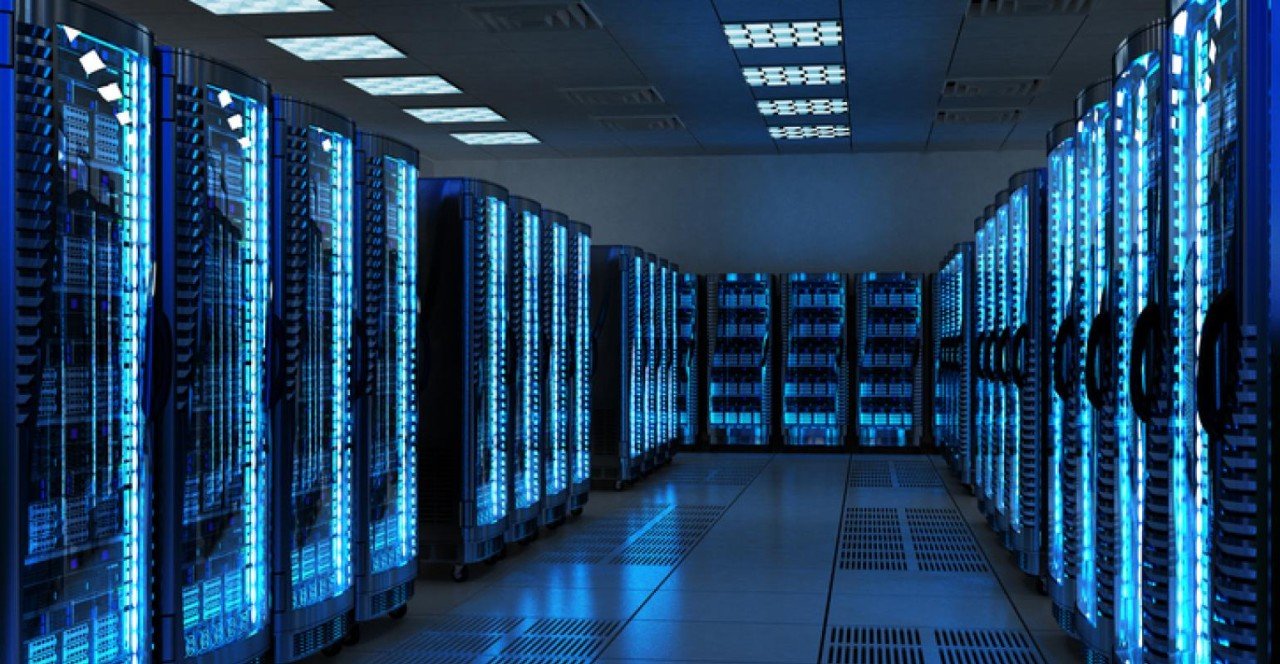
Data centers are the hidden engines of the modern digital world. They store, process, and analyze vast amounts of information, from text and images to video and code, enabling applications in finance, health care, education, transport, and defense. Most of the artificial intelligence tools we use, including large language models and machine learning systems, depend on data centers to power rapid computation and deliver services in real time. The demand for these facilities is growing at a remarkable pace as AI becomes central to economic activity and everyday life.
Data centers come in various types. Some are hyperscale facilities with thousands of servers that serve many organizations at once. These centers are essential for large AI operations because they can store and process huge data sets quickly and reliably. Other centers specialize in AI support, featuring powerful graphics processing units (GPUs) designed to run complex machine learning tasks. Governments and security agencies also operate high-security data centers for sensitive defense and intelligence work, where speed and protection against cyber threats are critical. Another emerging category is edge data centers, located near users and devices to reduce the delay in communication — critical for technologies like autonomous vehicles and real‑time industrial automation.
One of the biggest challenges facing data centers is their energy and water consumption. Data centers supporting AI require enormous amounts of electricity. In recent years, data centers used about 4.4 percent of total U.S. electricity, and this share is expected to rise sharply. Some forecasts project that energy use by data centers worldwide could account for up to 21 percent of all electricity by 2030. Adding to the strain, these facilities also consume large volumes of water for cooling the computing equipment. In some cases, centers may use hundreds of thousands of gallons per day, pressing against limited supplies in many regions. Meeting rising energy and water needs without harming local communities or the environment will be a central policy issue in the coming decade.
Addressing energy needs will require both expanding energy production and improving efficiency. Much of today’s power still comes from fossil fuels, but growing data center demand calls for a shift toward cleaner energy sources, such as wind, solar, and nuclear. New technologies, like advanced cooling systems and microfluidics that directly cool chips, could help reduce energy use and water demand, though their efficiency and scalability remain uncertain. Investments to modernize and expand electric grids are also necessary to reliably serve new data centers without frequent outages or inflated costs.
Building and expanding data centers also demands large quantities of materials such as copper, steel, aluminum, semiconductors, and fiber optics. Changes in trade policy, like higher tariffs on metals, have raised construction costs. The supply of a range of critical minerals needed for semiconductor production , including gallium, germanium, and indium — is limited, and obtaining permits for mining or production in countries like the United States and those in Europe can be slow and complex. Without reliable supplies of these materials, construction could lag or move to regions with fewer restrictions, potentially leaving some areas underdeveloped.
A thriving data center industry will also require a skilled workforce. Construction projects will create jobs in engineering, materials handling, and skilled trades, but there are few workers ready to meet this demand. In many countries, shortages exist in both technical fields and general construction. Migration and foreign labor are part of the solution, but policies that restrict worker mobility can worsen labor shortages. Faster permitting and training programs may help, but they must be balanced with safety, environmental, and community concerns.
Data centers face barriers beyond raw materials and labor. Permitting and community acceptance play a significant role. Local approvals often take time, involving environmental reviews, zoning clearances, and impact studies. Some communities resist new centers due to concerns about water use, noise, or disruption. While faster permitting can accelerate construction, it may also intensify opposition if community voices are not included in planning.
The electric grid and transmission systems that deliver power to data centers must be modernized. Advances in AI and materials science are making it possible to build more efficient power lines and grid technologies, but substantial investments are needed. In some cases, building new transmission infrastructure can take up to a decade, far longer than the time it takes to construct data center facilities. Improving grid flexibility and resilience will be essential as energy demand grows.
Building and operating data centers is expensive. Costs include land acquisition, construction, equipment, labor, power, cooling, security, and ongoing operations. Hyperscale centers with thousands of servers can cost over a billion dollars each. The total investment by tech firms, investors, and financial institutions is already into the hundreds of billions of dollars and is expected to rise to the trillions by 2030. This high cost structure is partly managed by large technology companies themselves, which finance new facilities through bonds and other mechanisms, betting that future AI revenues will make the investments worthwhile.
Despite these challenges, data centers power innovation and broad economic benefits. Consumers benefit from faster services, better broadband access, and new digital applications. Businesses can process large data sets, automate tasks, and deploy advanced analytics. Governments and public institutions can improve service delivery in health, education, and public safety. In essence, data centers enable a wide range of technologies that drive economic growth and productivity in the digital age.
However, there are also concerns about equitable access and global distribution. Most data centers today are concentrated in wealthier regions , especially in the United States, Europe, and China. Regions in Africa, Latin America, and parts of Asia lag behind, creating digital divides that could widen over time. Without infrastructure in place, countries in the Global South may struggle to compete in AI and digital industries. Ideas like AI economic zones , special areas supported by public and private investment to encourage technology growth — are being explored to address these inequities and help underserved regions catch up.
In summary, data centers are critical to the future of the digital economy and the widespread adoption of AI technologies. They power everything from basic internet services to cutting‑edge scientific research. Yet their rapid expansion poses challenges in energy, water, materials, workforce, infrastructure, and equitable access. Governments, industry, and communities will need coordinated policies and investments to ensure that data center growth is sustainable, inclusive, and aligned with broader economic goals. Solving these challenges will be essential for maintaining competitiveness in a world where digital capacity increasingly defines national and global economic strength.