
Bilawal Kamran
Pakistan mattered this week. That sentence alone is worth pausing on, because it has not been written with any conviction for quite some time.
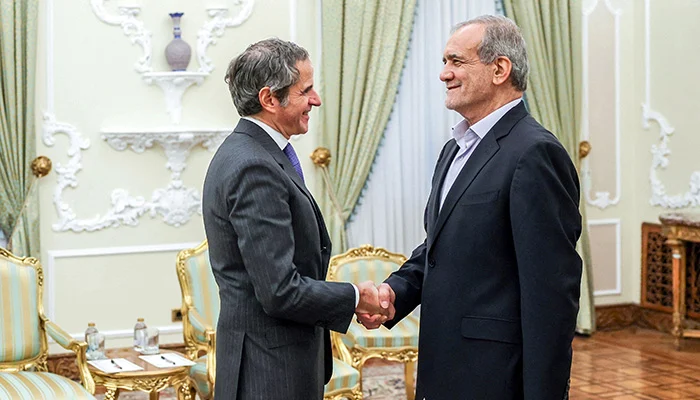
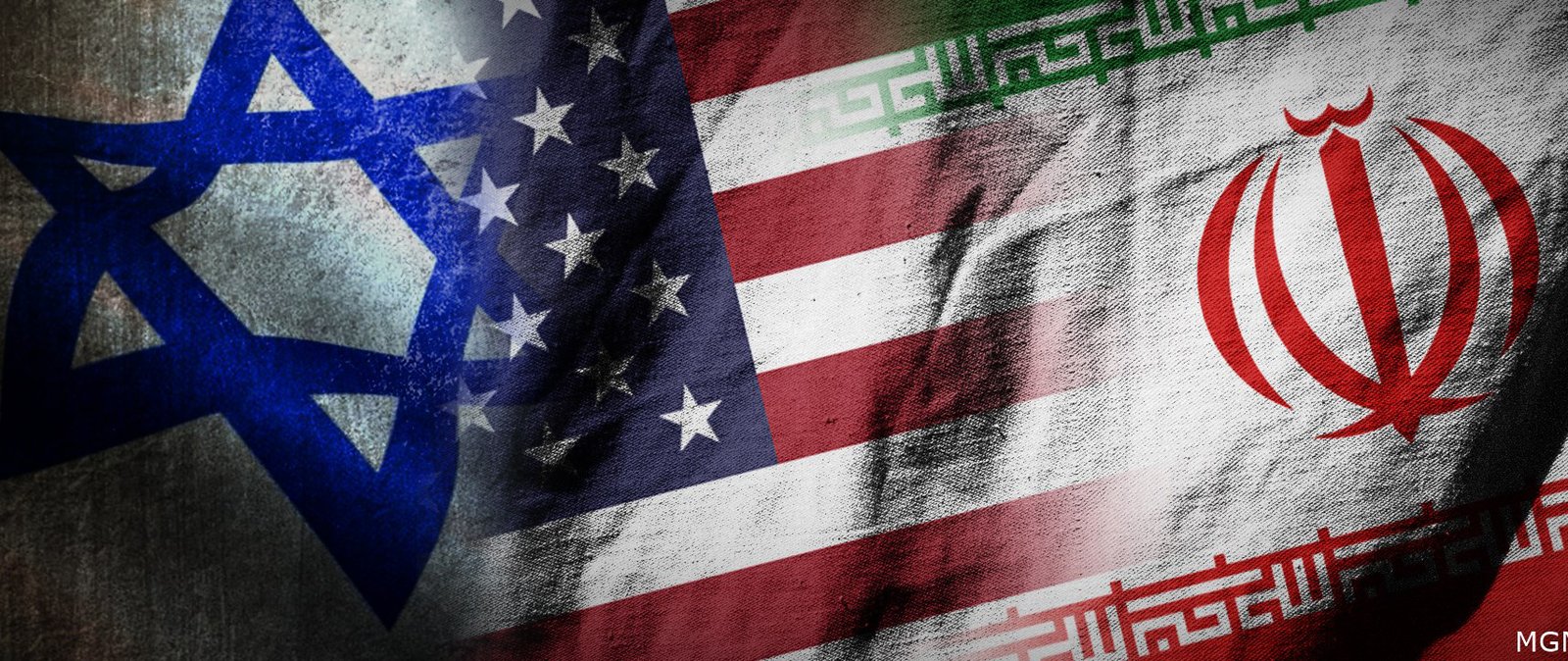
As the United States and Iran stood on the edge of catastrophic escalation, Islamabad stepped forward. Prime Minister Shehbaz Sharif made a public appeal for restraint. Behind closed doors, Pakistan’s military and diplomatic establishment worked the phones between Washington and Tehran. Within hours, a two-week ceasefire was announced. Markets erupted. The KSE-100 surged nearly nine percent in a single session, triggering a temporary trading halt — its most powerful single-day performance in almost a year. Oil fears receded. A worst-case scenario that would have sent energy prices into the stratosphere and battered fragile economies across the developing world was, at least for now, pulled back from the brink.
The headlines declared it a diplomatic triumph. They were not wrong. But they were telling only half the story.
Pakistan has been here before. The country has a long and largely unrewarded history of opening doors for others and then watching those doors close on itself.
In 1971, Pakistan facilitated one of the defining geopolitical events of the twentieth century. It was Islamabad that quietly brokered the secret rapprochement between Washington and Beijing, enabling Henry Kissinger’s historic visit to China and reshaping the global order. Weeks later, when Pakistan itself was at war and facing dismemberment in its eastern wing, that extraordinary act of strategic service delivered nothing. No rescue came. No reciprocity materialised. The lesson history offers from that episode is not that mediation is futile. It is that mediation, standing alone and unanchored to a broader strategy, delivers nothing durable.
The pattern repeated itself more recently. Pakistan spent years as the indispensable facilitator of the American withdrawal from Afghanistan, maintaining channels with the Taliban, managing the transition, and absorbing enormous domestic political costs in the process. Within months of the withdrawal, relationships with both Washington and Kabul had deteriorated sharply. Once again, a moment of geopolitical significance produced no lasting economic or strategic dividend for Pakistan itself.
This is the lens through which the present moment must be understood.
Pakistan’s role in brokering a ceasefire between the United States and Iran is being framed as a return to international relevance. The framing is not inaccurate. But relevance is not an outcome. It is an opportunity. And Pakistan has a well-established habit of mistaking one for the other.
The harder truth beneath the diplomatic theatre is this: Pakistan did not intervene purely out of principle or regional responsibility. It intervened because it had no choice. The country imports somewhere between eighty and eighty-five percent of its oil requirements. Energy constitutes a substantial share of the national import bill, making Pakistan one of the most externally exposed economies in Asia to any disruption in global oil supply. The overwhelming majority of that supply transits through the Strait of Hormuz, the narrow chokepoint through which nearly a fifth of the world’s entire oil output passes every single day.
When the escalation began, its consequences were already arriving at Pakistani petrol pumps. The government raised prices on petrol and diesel and removed a blanket fuel subsidy that had been shielding ordinary consumers from the full force of global energy prices. Finance Minister Muhammad Aurangzeb stood before parliament and delivered a sobering assessment: even with a ceasefire in place, normalisation would take weeks, possibly months, because energy infrastructure had been targeted and the damage would take time to reverse. Pakistan, he said, had to plan accordingly.
In other words, the mediation was not merely an act of diplomacy. It was an act of economic self-preservation. Pakistan stepped in partly to protect itself.
That is not a criticism. It is, in fact, the most compelling argument for why this moment should not be treated as an isolated episode of good diplomatic fortune.
Countries that have successfully converted intermediary roles into durable structural advantage did not stumble into that position. They built it, deliberately and over time. Oman translated decades of quiet neutrality into port infrastructure, industrial zones, and a reputation as the region’s most reliable back channel. Qatar turned its diplomatic centrality into an aviation hub, a liquefied natural gas empire, and the kind of geopolitical leverage that allowed a country of three hundred thousand citizens to host American military bases and Hamas political offices simultaneously. Singapore converted its credibility and institutional reliability into capital flows, financial dominance, and the most trusted commercial address in Southeast Asia.
None of them expected gratitude. None of them waited for protection. They built position.
There is one further constraint those countries confronted and resolved early: the question of internal stability. Diplomatic credibility can open international doors, but it cannot keep them open if the domestic environment remains unpredictable. Trade flows follow stability. Investment follows continuity. Logistics follow reliability. Pakistan’s own experience over the past two decades demonstrates, painfully, how quickly security challenges can drain economic potential, deter foreign capital, and disrupt the very continuity that turns geopolitical moments into structural gains. Any serious attempt to convert this ceasefire into lasting leverage must grapple honestly with that domestic dimension.
Pakistan, by contrast, has historically treated geopolitical moments as transactions. Valuable in the instant. Disconnected from everything that follows.
The ceasefire with Iran offers a genuine opening to change that pattern. If Islamabad succeeds in hosting follow-on negotiations, it can begin to establish itself as a neutral convening ground in a region that desperately lacks one. If it presses its geographic advantage, it can deepen its role in trade and logistics connecting the Gulf, Central Asia, and South Asia. If it aligns policy with positioning — actually reducing the energy vulnerabilities that forced it into this mediation in the first place — it can begin building the kind of structural resilience that turns a reactive country into a proactive one.
None of this happens automatically. Credibility, once earned, is quickly lost. And geopolitical relevance, if not anchored in economic structure and domestic stability, evaporates faster than the headlines that announce it.
The temptation in Islamabad will be to celebrate. To treat this as validation. To announce that Pakistan is back on the world stage and leave it at that.
But 1971 is not ancient history. It is a warning. Pakistan opened a door then and expected something in return. It received very little. Not because the moment lacked significance, but because significance alone has never been enough.
Today, Pakistan has opened another door. The question is the same one it has always been: what, this time, will it build on the other side?