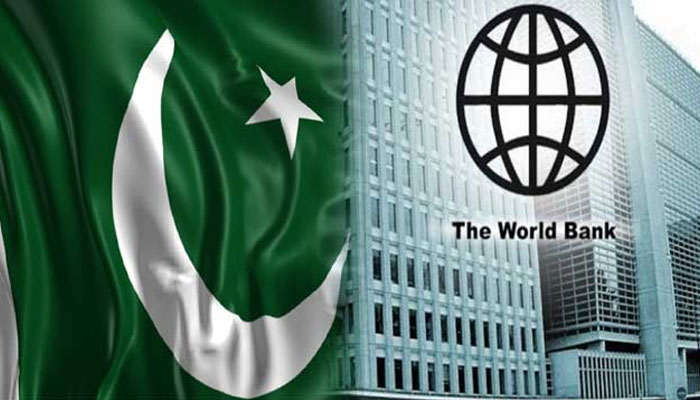

Pakistan’s major fiscal reform initiative, supported by a $600 million World Bank programme, has made little practical progress months after its approval, according to the latest implementation report. The “Pakistan Public Resources for Inclusive Development” programme, approved in December 2025, has yet to become operational due to pending administrative clearances and delayed approvals.
The World Bank notes that the project’s PC-1 is still under review by the Central Development Working Party, preventing formal launch of planned reforms. As a result, no funds have been disbursed and most performance indicators remain unchanged from their starting point.
Despite these setbacks, the Bank has rated overall progress as “moderately satisfactory,” though it has flagged significant risks tied to political uncertainty, economic pressures, and weak institutional capacity.
The programme aims to improve tax collection, enhance public spending efficiency, and modernise statistical systems. Key targets include raising the tax-to-GDP ratio to 15 percent by 2030 and reducing tax exemptions. However, progress on these goals has not yet begun.
Efforts such as digitising tax systems, expanding online public services, and reforming power subsidies remain stalled due to coordination issues between federal and provincial authorities.
Additionally, important reforms like government downsizing and subsidy reduction are still awaiting approval or remain in early design stages. Several critical project positions are also unfilled, further slowing execution.
The report concludes that while Pakistan’s reform agenda is comprehensive on paper, its success will depend on faster approvals, stronger coordination, and sustained political commitment to implementation.