
Tahir Maqsood Chheena
Pakistan’s political landscape has undergone a profound transformation over the past several years. The public mind has moved, the expectations of the voter have evolved, and the questions being asked at the grassroots level have changed fundamentally in character. Yet the Pakistan Peoples Party, the Pakistan Muslim League (N), and several other traditional political formations appear largely oblivious to this shift. They remain imprisoned within the political imagination of the 1990s, offering the same tired vocabulary of development, the same ribbon-cutting ceremonies, and the same promises of roads, bridges, flyovers, and infrastructure projects as though nothing has changed in the three decades since.
This disconnect is not merely a tactical miscalculation. It reflects a deeper intellectual failure: an inability to read the society that these parties claim to represent.
In an earlier era, the concentration of public attention on local development projects and basic civic amenities was understandable. People wanted electricity, clean water, and passable roads. Delivering these things, or credibly promising to deliver them, was sufficient to secure electoral loyalty. That era is over. Today’s Pakistani voter is asking a categorically different set of questions. The conversation has moved from what the state is building to what the state is guaranteeing. Citizens want to know where their constitutional rights stand, how federal arrangements protect their identity and autonomy, whether the rule of law applies to them equally, and how meaningfully they are represented in the decisions that govern their lives. These are not the concerns of a population satisfied with developmental patronage. These are the demands of a politically conscious citizenry.
Economic anxiety has also moved to the very centre of political discourse, but not in the form that traditional parties understand it. People are not simply asking for employment schemes or subsidy announcements. They are asking structural questions about inflation, economic stability, and the quality of life. Over one million Pakistanis live abroad, and through their connections, the broader society conducts a constant comparison between Pakistan’s trajectory and the governance standards and economic opportunities available in other countries. This comparison is not flattering, and it has raised the threshold of what voters consider an acceptable political offer.
Alongside this, there has been a remarkable growth in critical awareness about governance, public finance, and economic policy. Citizens who once accepted state decisions passively are now engaging with questions about taxation, fiscal priorities, and how public money is spent. In a state that relies increasingly on petroleum levies and indirect taxes to sustain its revenues, the promise of an infrastructure project carries far less weight than it once did. People now ask what funds a development scheme, who bears the cost, and whether any of it translates into a genuine improvement in their daily lives. The political class has not caught up with this sophistication.
It is against this backdrop that one must assess Nawaz Sharif’s recent political engagement in Gilgit-Baltistan and the broader campaign narratives of established parties in that region. What has been presented to the people of Gilgit-Baltistan is, at its core, a development-and-administration narrative, an accounting of projects completed and promises of projects to come. This may have been a compelling political offer in the 1990s. It is a hollow one today. The politics of Gilgit-Baltistan, like the politics of Pakistan more broadly, is being shaped by questions of identity, rights, representation, economic opportunity, and constitutional status. The residents of this region have long-standing grievances about their ambiguous constitutional position, their lack of full political representation, and their exclusion from the federal compact on equal terms. These are not questions that can be answered with a new road.
There is a further dimension worth considering. When a major political force, in this case Pakistan Tehreek-e-Insaf, is effectively prevented from participating fully in electoral competition, the nature of political contest is fundamentally distorted. Winning in such an environment is not the same as winning against a full field. The fact that even under these reduced competitive conditions, traditional parties still cannot articulate a fresh and resonant political narrative is deeply revealing. It exposes not a temporary strategic gap but a chronic failure of political vision.
Pakistan’s politics has matured beyond the municipality. It has moved from the language of local patronage to the language of rights, justice, federal balance, economic dignity, and genuine representation. The voter today is not simply choosing between contractors in different party colours. The voter is asking which party understands what kind of country Pakistan needs to become, and which party has a serious answer to that question.
Those parties that grasp this transformation will remain relevant. Those that do not will find the distance between themselves and the electorate growing with each passing election cycle, regardless of how many bridges they promise to build.
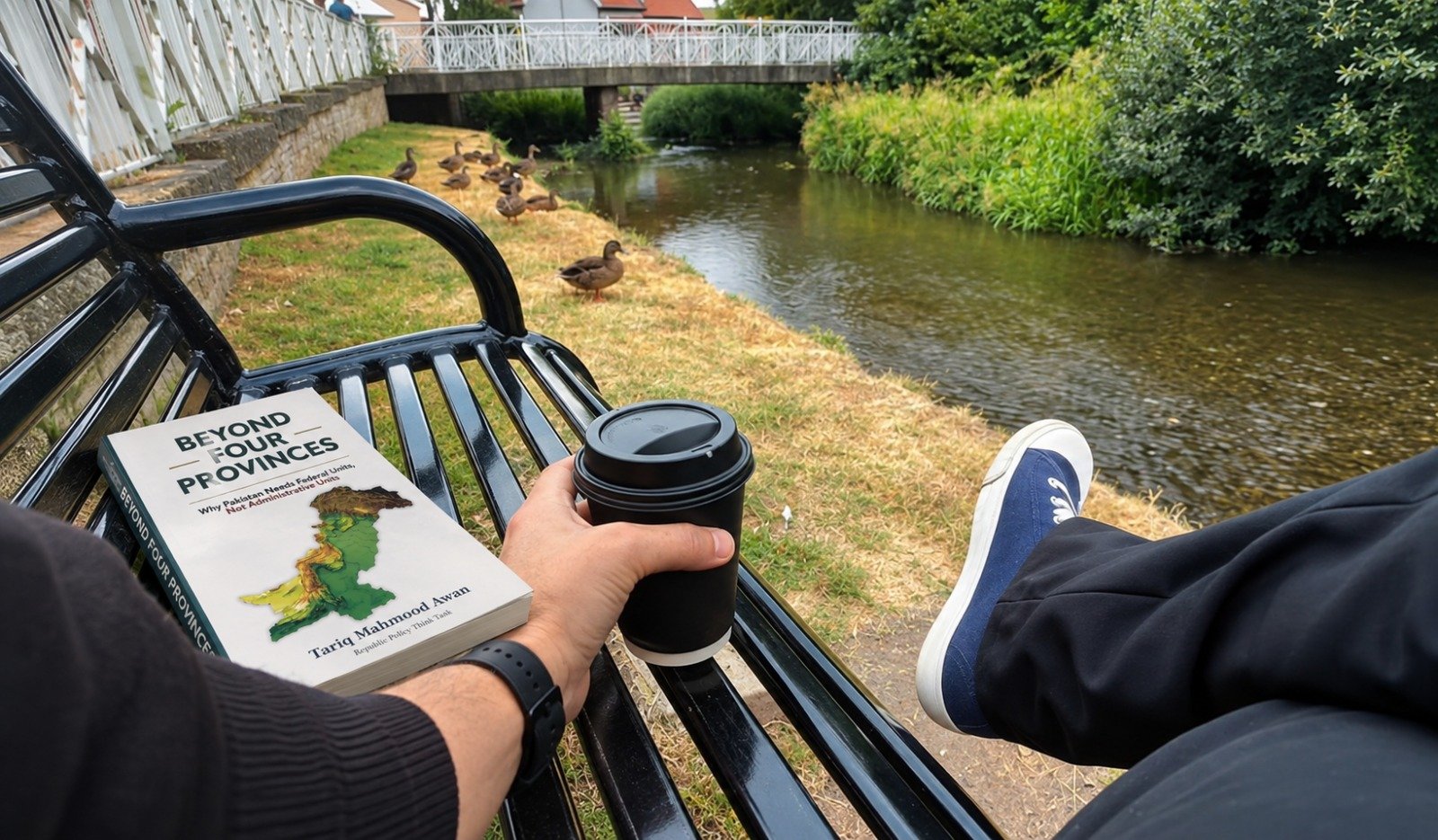
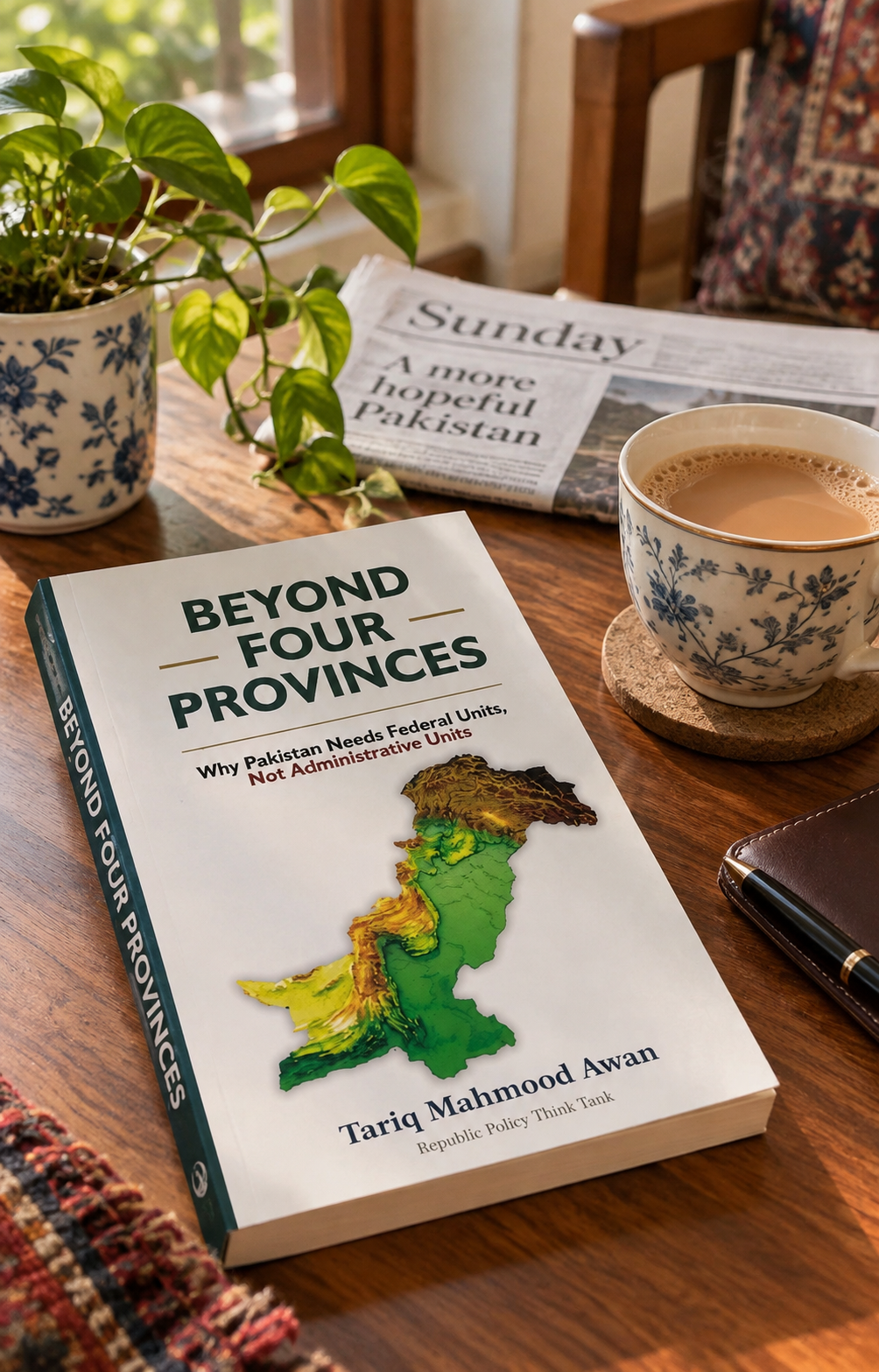
Republic Policy’s books on governance, public policy, and state reform are available at Vanguard Books, Sang-e-Meel, Saeed Book Depot, Readings, Kitab Sarai Urdu Bazaar Lahore, and leading bookstores across Pakistan.