
Editorial
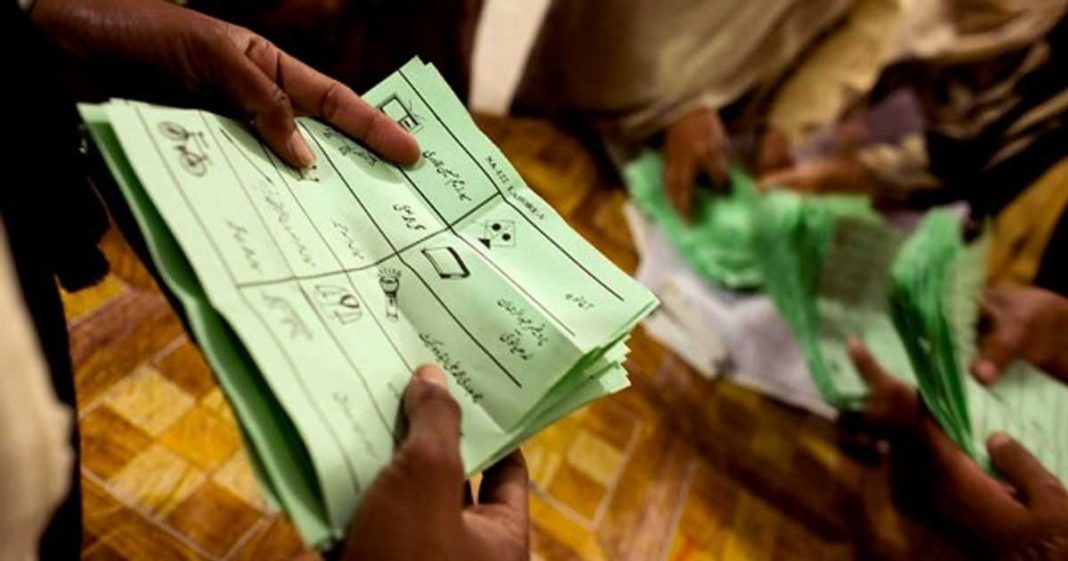
Thousands of Punjab Police personnel have been deployed across Gilgit-Baltistan for election duties. The scale of this deployment reflects the state’s commitment to maintaining order during a sensitive electoral exercise, and that intent deserves acknowledgment. But intent alone is not enough. How this deployment is conducted on the ground, and how it is perceived by the local population, matters just as much as the security objective it is meant to serve.
Gilgit-Baltistan is not just another administrative posting. It is a region with its own distinct identity, its own sensitivities, and a population acutely aware of how institutions from the centre treat them. Heavy-handed conduct, even when undertaken in the name of discipline, carries consequences that extend far beyond a single election day. If an impression of unnecessary harshness takes hold, it does not simply create friction in the moment. It feeds into a longer and more damaging narrative, one that strains the relationship between the region and the Pakistani state, and generates resentment toward Punjab specifically, as has been witnessed on certain past occasions.
This risk is entirely avoidable. The deployment of Punjab Police need not produce anxiety or alienation if it is guided by impartiality, restraint, and genuine respect for local dignity. Law and order and public trust are not competing priorities. Managed correctly, they reinforce each other. A police presence that is visible, professional, and fair encourages civic participation rather than suppressing it.
Republic Policy has consistently maintained that state institutions operating in sensitive regions like Gilgit-Baltistan and Azad Kashmir must conduct themselves with exceptional caution and transparency. National unity is not built through force alone. It is built through the daily demonstration that every citizen, regardless of geography, is treated with equal respect and fairness by the institutions of the state.