
Editorial
There is a particular kind of disappointment that comes from building the right architecture and then furnishing it with the wrong instincts. Pakistan’s federalism suffers from exactly this affliction. On paper, the country chose a federal design. In practice, it has never quite unlearned the unitary reflexes that preceded it.
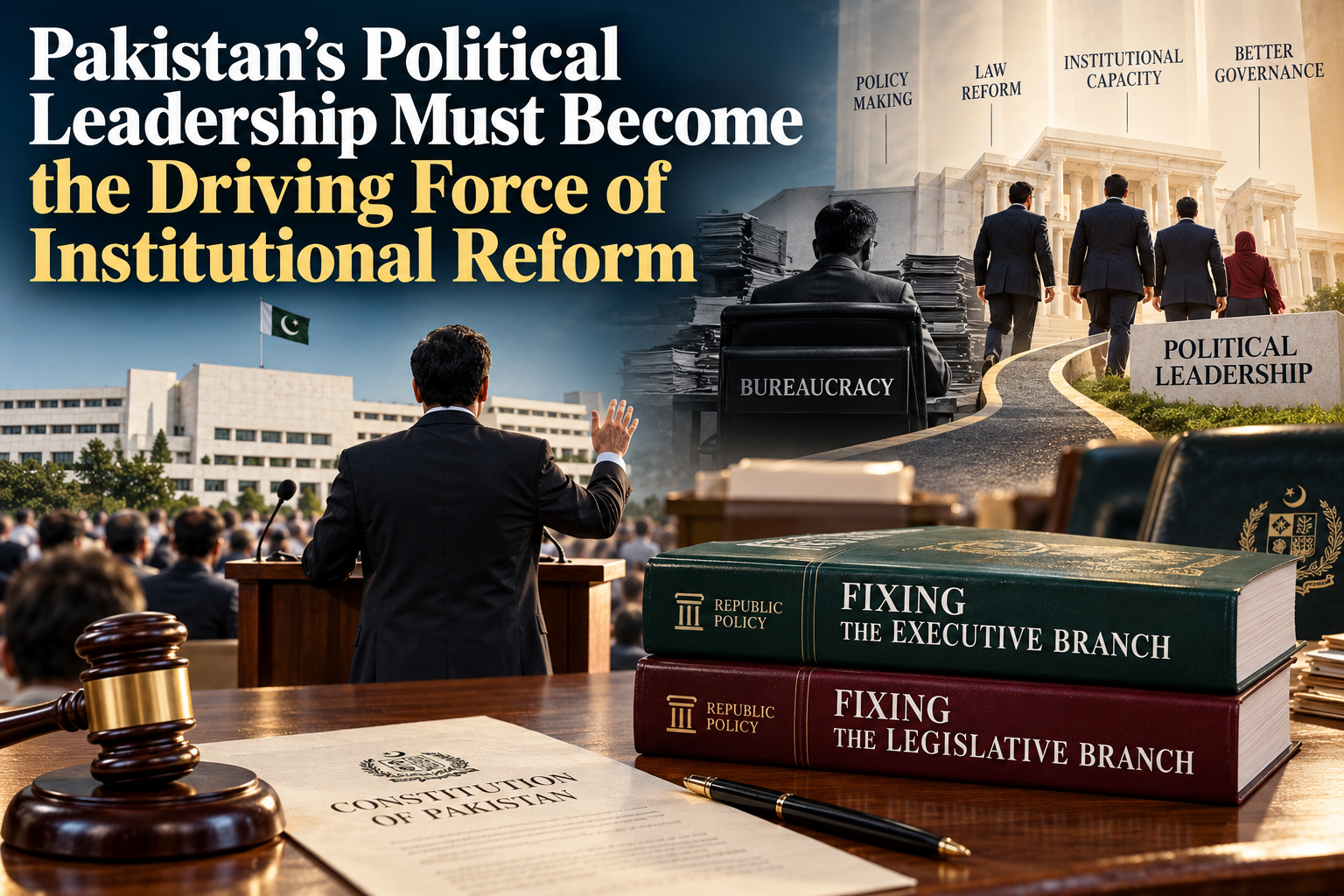
Democratic federalism rests on a handful of essential components, and The Republic Policy has, in its ongoing discourse, been pressing the case for strengthening them. The 18th Amendment did real work here. It secured the provinces a guaranteed share of resources from the divisible pool, giving fiscal federalism a genuine, if partial, foothold. But provinces’ political and bureaucratic elites could not bring themselves to extend that same devolution downward, to the local tier of governance, where it arguably matters most to ordinary citizens.
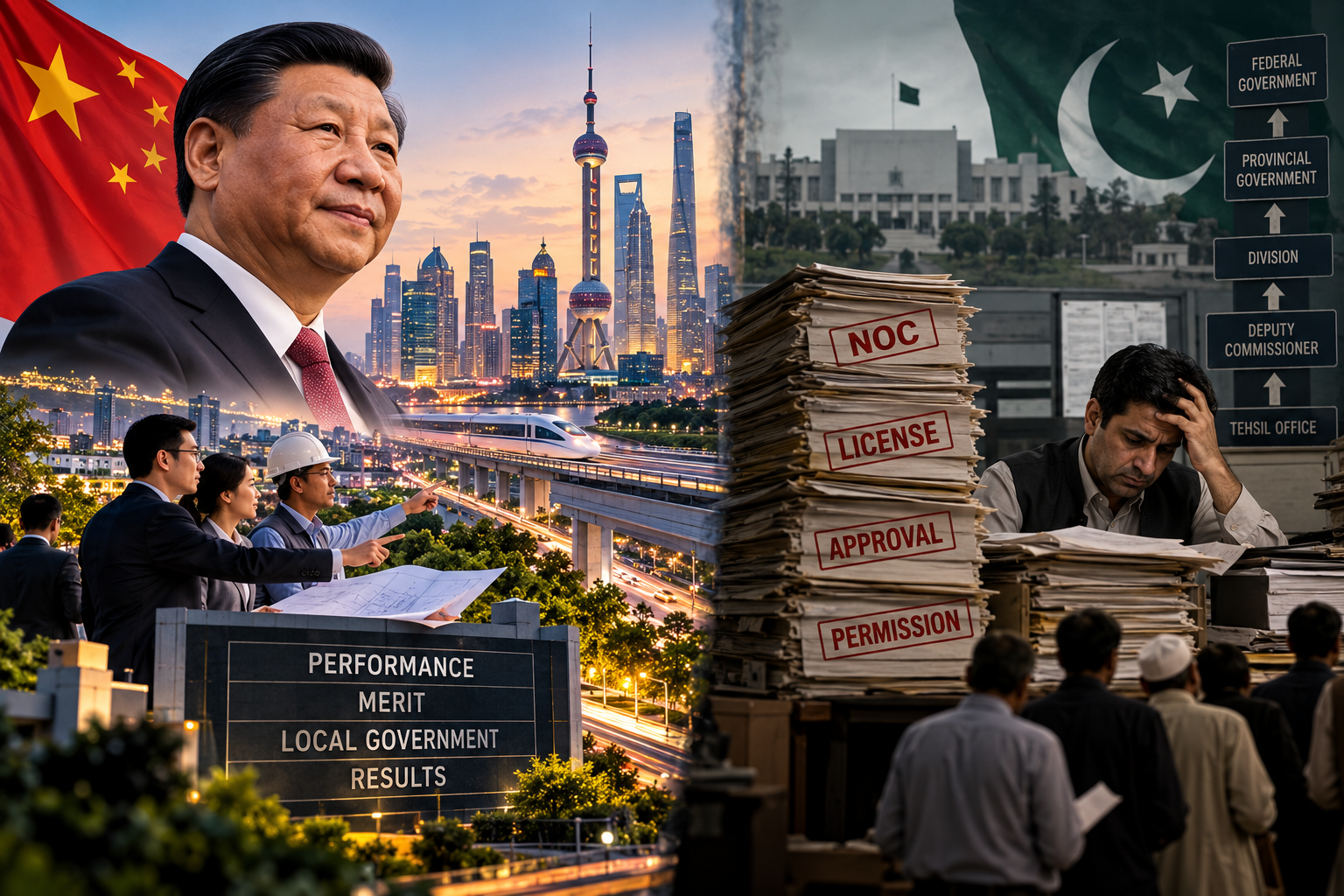
There is another component of federalism, though, one that has remained the weakest thread running through most of Pakistan’s history: administrative federalism. In theory, federal systems are built on a simple logic, what scholars describe as “coming-together” or “holding-together” arrangements. In Pakistan, however, a single unified federal civil service continues to dominate governance within the provincial units themselves, through the quiet mechanism of reserved posts.
This produces a constitutional anomaly that Pakistan has never fully confronted. Article 240 (a) and (b) are not ambiguous on this point: affairs of the federation are to be run by federal civil servants, and affairs of the provinces are to be governed by provincial civil servants. This constitutional clarity should not be confused with the All-Pakistan Services. To be precise, the All-Pakistan Services exist to serve matters connected to the Council of Common Interests. They were never meant to allow the federation to quietly take over the governance of federating units by installing its own officers in provincial seats of power.
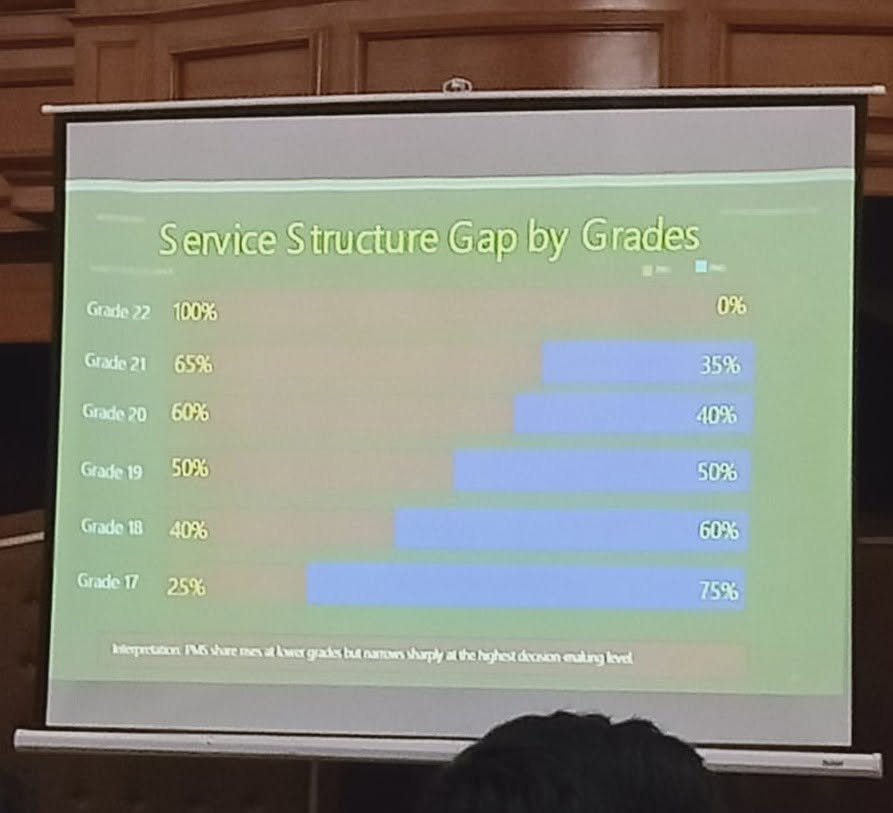
The numbers make the anomaly concrete. At the top tier of the provincial governance system, there is not a single officer from the Provincial Management Service. At the grade 21 level, nearly 65 percent of positions are held by officers of the Pakistan Administrative Service.
This is the case The Republic Policy keeps returning to this in its discourse: Pakistan will not become a genuine federation through fiscal transfers alone. It needs administrative federalism, the quieter, harder reform of who actually governs the provinces, and on whose authority