
Dr Bilawal Kamran
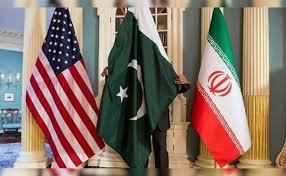
After roughly three and a half months of open conflict between the United States and Israel on one side and Iran on the other, punctuated by a ceasefire that never quite settled nerves, the region finally appears to be edging toward something resembling peace. Prime Minister Shehbaz Sharif delivered the news early Monday that much of the world had been hoping to hear, announcing what he described as an immediate and permanent end to military operations across every active front, Lebanon included. President Donald Trump followed soon after with a brief but pointed message of congratulations to all parties, and Tehran confirmed its own acceptance of the arrangement not long afterward.
The war had never been confined to a narrow battlefield between two rivals contesting competing visions for the Middle East. Its effects rippled far beyond the Gulf. Iran’s closure of the Strait of Hormuz and the American naval blockade of Iranian ports turned a regional confrontation into a global economic headache, choking off a corridor through which a substantial share of the world’s oil traffic normally flows. With the deal now in place, those obstructions are expected to lift, and according to Sharif, the formal signing will take place in Geneva on Friday, with Pakistan serving as the host and guarantor of the process.
For Pakistan, this represents a genuine diplomatic achievement, and not a small one. Islamabad’s involvement did not begin with this announcement. It traces back to April, when Pakistan hosted the initial round of US-Iran talks, and continued through weeks of intense, often thankless shuttle diplomacy aimed at keeping the earlier ceasefire from collapsing under the weight of mutual suspicion. That sustained effort has not gone unnoticed. The United Nations secretary-general and a long list of governments around the world have publicly credited Pakistan, alongside Qatar, Egypt, and Saudi Arabia, for the patient mediation that ultimately produced this breakthrough.
Most of the international community is breathing a sigh of relief, and understandably so, given how directly the conflict had been weighing on global trade and energy markets. The mood in Tel Aviv, however, is markedly different, and considerably more bitter. Israel had pushed hard to bring Washington into the fight against Tehran, framing it as an opportunity to permanently cripple the Islamic Republic. Instead, Iran has weathered the combined weight of Israeli and American military action and emerged from the war still standing, a outcome Israeli officials are unlikely to view as anything other than a strategic disappointment. Compounding that frustration, reports suggest the agreement also requires Israel to halt its punishing campaign against Lebanon, removing what had been one of the few fronts where Israel still appeared to be gaining ground.
All of this raises the obvious question hovering over the celebrations: will this peace actually hold? It would be a mistake to treat Monday’s announcement as the final word on the matter. What has been reached so far reads more like a memorandum of understanding than a comprehensive peace settlement, an agreement that allows the guns to fall silent while the harder work of building something durable still lies ahead. History offers a useful reference point here. The Obama-era nuclear agreement with Iran, the JCPOA, took roughly twenty months of painstaking negotiation before it was finalised, and there is little reason to expect this round of diplomacy to move dramatically faster. Anyone hoping for a tidy, comprehensive resolution within days or even weeks of the Geneva signing is likely to be disappointed.
What matters most right now is simpler and more immediate: that both sides keep talking, and that the ceasefire actually holds rather than fraying at the edges the way the earlier one did. Washington, in particular, carries a heavy share of the responsibility for making that happen. Genuine sanctions relief for Tehran is not a courtesy gesture; it is the only realistic way to rebuild even a baseline level of trust after years of damage. The Trump administration unilaterally abandoned the JCPOA once already, and has now launched two rounds of direct military action against Iran on top of that history. Inside Iran’s political and security establishment, the level of suspicion toward Washington is, understandably, running extremely high, and no amount of diplomatic language in a Geneva signing ceremony will erase that on its own.
Bridging that gap of trust is not impossible, but it will require both sides to approach the table with a degree of respect and sincerity that has been largely absent throughout this conflict. It will also require Washington to rein in Israel rather than simply tolerating its objections to the deal. If Tel Aviv is allowed to continue applying pressure from the sidelines, whether through renewed strikes, political lobbying in Washington, or covert action designed to provoke a response from Tehran, the fragile understanding reached this week could collapse just as quickly as it came together. The history of ceasefires in this region is, after all, a history littered with collapses.
Pakistan’s role here deserves to be acknowledged for what it represents beyond this single episode: a demonstration that smaller and middle powers, when they commit to sustained, patient diplomacy rather than grand gestures, can shape outcomes in conflicts far larger than themselves. Whether that role continues into the harder, slower phase of negotiation that now begins in Geneva will say a great deal about whether this week’s announcement marks a genuine turning point or simply another pause in a much longer and more troubled story.
The best-selling books of Republic Policy Think Tank, including the landmark book The Bureaucratic Coup, are available at Vanguard Books, Liberty Books, Readings, Kitab Sarai, Sang-e-Meel, Saeed Book Stores, and others across Pakistan. Contact for home delivery: 0300 9552542.