
DOHA/DUBAI/WASHINGTON: The United States and Iran held indirect technical talks in Doha on Wednesday, focusing on ensuring safe navigation through the Strait of Hormuz and strengthening a fragile ceasefire reached after months of conflict, according to a source familiar with the negotiations and an Iranian official.
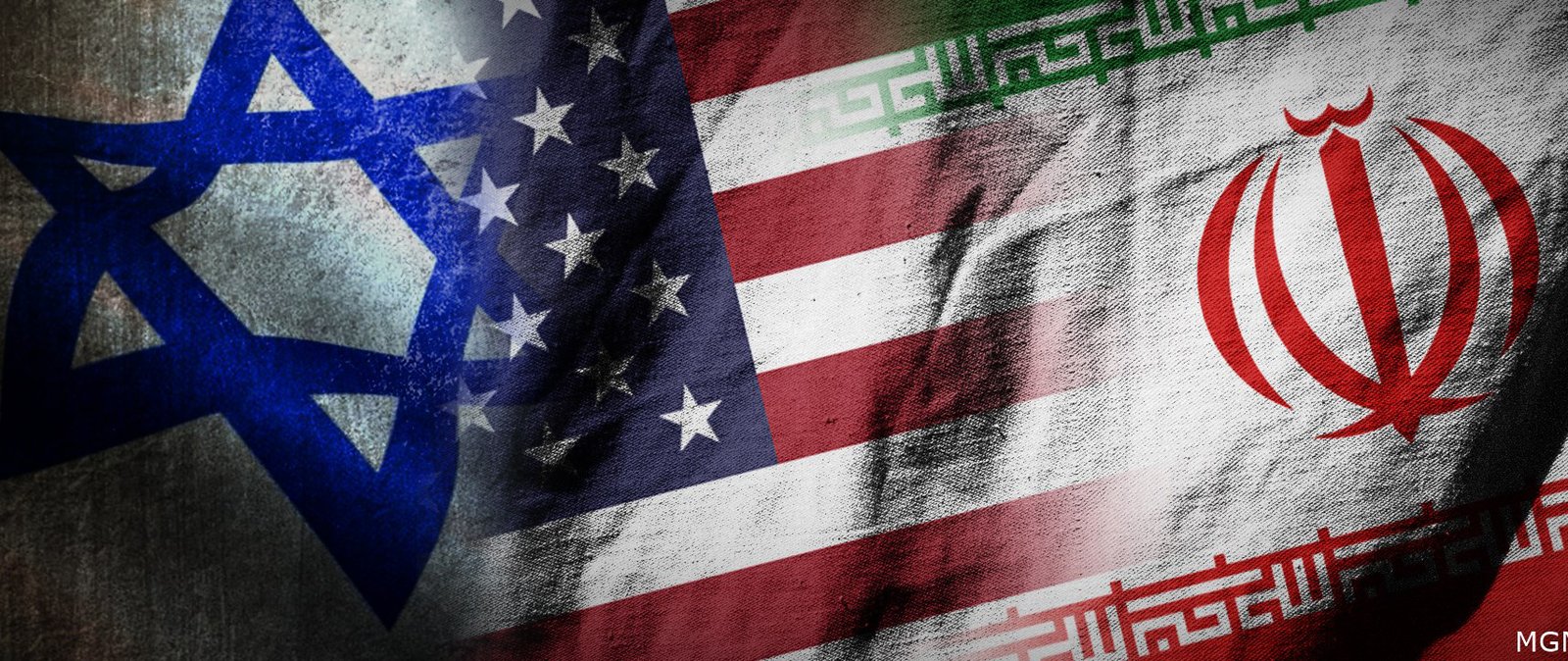
The discussions are based on a 14-point interim agreement signed last month to halt the war that erupted following U.S.-Israeli strikes on Iran in February. The accord also reopened the strategically important Strait of Hormuz and established a 60-day framework for negotiating a permanent peace settlement.
Despite the agreement, Washington and Tehran have publicly disagreed over its interpretation, resulting in renewed military exchanges over the past week and little visible progress on broader issues, particularly Iran’s nuclear programme.
According to two senior Iranian sources, Tehran is seeking international recognition of its authority over the Strait of Hormuz, including the right to impose transit fees on vessels entering or leaving the Gulf. While commercial shipping has partially resumed through the waterway, which previously carried about one-fifth of global oil and liquefied natural gas trade, maritime traffic remains uncertain.
Speaking in Washington, President Donald Trump said efforts to curb Iran’s nuclear ambitions were “moving along well” and described the Doha meetings as positive, though there was no indication that nuclear issues had yet been formally discussed.
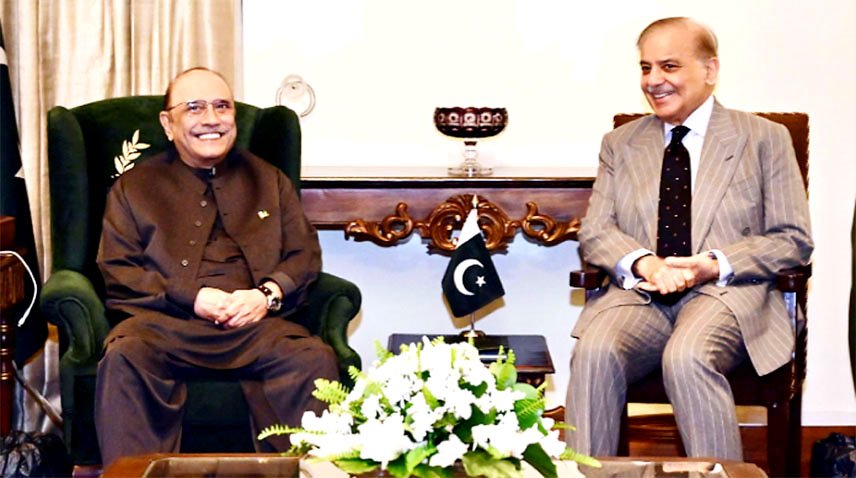
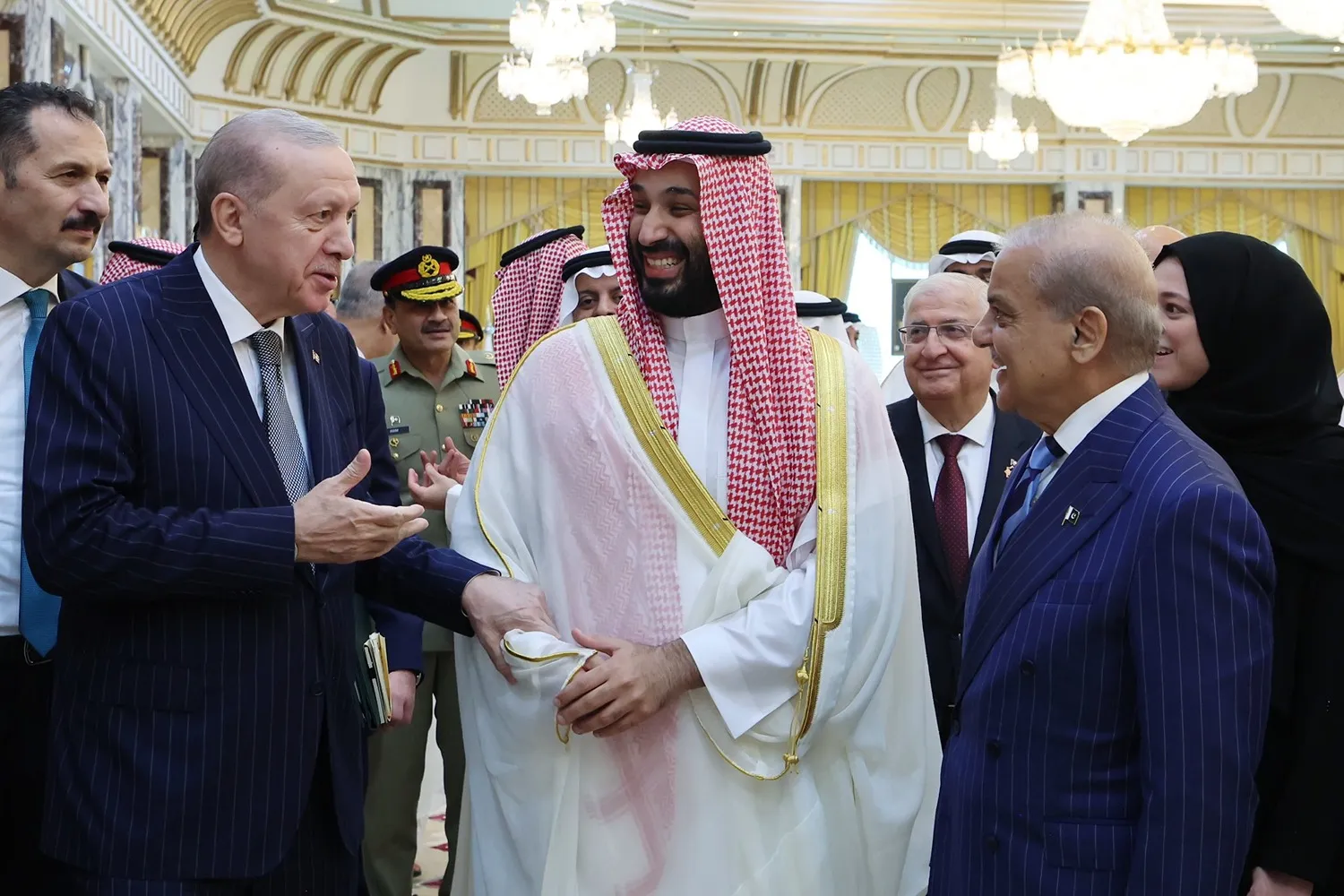
The talks, mediated by Qatar and Pakistan, began on Tuesday evening and continued into Wednesday. Iranian Deputy Foreign Minister Kazem Gharibabadi led Tehran’s delegation, accompanied by officials from the foreign ministry, central bank and agriculture ministry. U.S. representatives held preparatory meetings with Qatari officials, although senior envoys Jared Kushner and Steve Witkoff were not expected to participate directly.
Iran has identified two immediate priorities: establishing a framework for managing the Strait of Hormuz and securing the release of $6 billion in frozen Iranian assets. The United States, meanwhile, is primarily focused on guaranteeing uninterrupted maritime traffic through the strategic waterway.
Iranian state media also reported that a foreign container ship ran aground in the Strait of Hormuz after entering shallow waters outside the shipping lane designated by Iranian authorities. Analysts said navigation through the passage has improved but remains inconsistent and unpredictable.
The conflict has inflicted heavy human and economic costs, including attacks on Gulf states hosting U.S. military bases, thousands of casualties in Iran and Lebanon, and significant disruption to global energy markets. Oil prices fell around 1% on Wednesday, with U.S. benchmark crude dropping to its lowest level since before the outbreak of the conflict.
The interim U.S.-Iran agreement also envisages ending hostilities between Israel and the Iran-backed Hezbollah movement in Lebanon. Parallel U.S.-backed discussions between Israel and Lebanon have produced a proposed security framework, although Hezbollah has rejected the plan, and analysts warn it could reinforce Israel’s military presence in southern Lebanon.
The best-selling books of Republic Policy Think Tank, including the landmark book The Bureaucratic Coup, are available at Vanguard Books, Liberty Books, Readings, Kitab Sarai, Sang-e-Meel, Saeed Book Bank Islamabad, National Book Foundation, and other bookstores across Pakistan. Contact for home delivery: 0300 9552542.