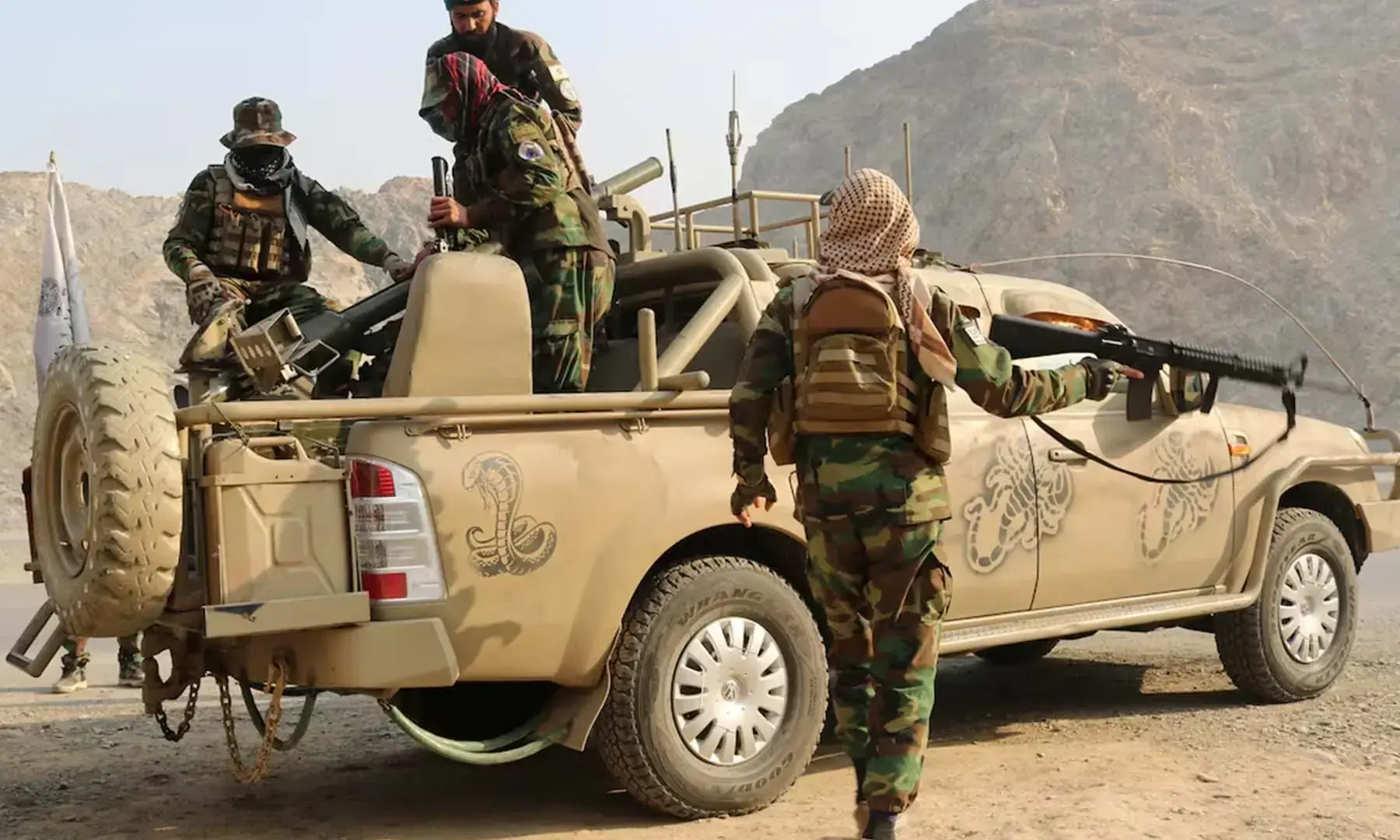

The Afghan Taliban’s continued support for the Tehreek-i-Taliban Pakistan (TTP) has contributed to a rise in both the frequency and lethality of terrorist attacks in Pakistan, even as Kabul has taken some initial steps to rein in the group, according to a UN Security Council-mandated monitoring report. The report also points to growing operational and facilitation links among the TTP, Al Qaeda, Islamic State-Khorasan (ISIL-K), and the Baloch Liberation Army (BLA).
The 38th report of the UN Analytical Support and Sanctions Monitoring Team, covering December 16, 2025, to June 9, 2026, said cross-border attacks between Pakistan and Afghanistan escalated, driven largely by a high volume of TTP attacks against Pakistan. As in previous editions, the report was direct in assessing Kabul’s role, stating that Taliban authorities continued their support for the TTP, which escalated attacks against Pakistan and provoked military exchanges. It noted concern among member states that the ongoing conflict could create opportunities for terrorist groups and generate further security challenges for the wider region.
Taliban’s Dual-Track Approach
The report did record some initial steps by Taliban authorities to contain the TTP, though these appeared aimed more at managing the group than dismantling its infrastructure. It said Afghan authorities had relocated roughly 2,000 TTP fighters and their families from areas along the Pakistani border to locations deeper inside Afghanistan in an apparent effort to rein in the group. The report also said Taliban leader Hibatullah Akhundzada had warned TTP leadership through backchannel communications to halt attacks against Pakistan or risk losing Taliban support.
Together, these developments suggest a dual-track approach: continuing to provide the TTP space and support due to shared ideological ties, while relocating some fighters away from the border to reduce attacks on Pakistan, avoid major escalation with Islamabad, and address mounting international concern. For Pakistan, however, relocating fighters deeper into Afghanistan does little to resolve the underlying problem so long as the TTP’s command, training, and logistical networks remain intact.
Meanwhile, the TTP has continued expanding its organizational structure and operational reach. Following its annual rahbari shura in December, the group announced a revised structure featuring two new divisions covering Balochistan and the central region and Kashmir and Gilgit. The restructuring also included a new division the group describes as its “Air Force,” suggesting an effort to broaden its operational capabilities. In March, the TTP announced its spring campaign, “Operation Khyber,” in multiple languages, calling for intensified attacks against Pakistani security forces and civilians.