
LONDON: Oil tanker movements through the Strait of Hormuz slowed dramatically on Thursday as heightened security concerns followed renewed U.S. airstrikes on Iran and Tehran’s military response across the Gulf, raising fresh fears over the safety of one of the world’s most critical energy routes.
Shipping data showed that only two tankers had passed through the strategic waterway during the early hours of Thursday. One of them was the crude oil supertanker Berg 1, which had loaded cargo from Iran’s Kharg Island and is currently subject to U.S. sanctions, according to shipping analytics firm Kpler.
The second vessel was the Marshall Islands-flagged chemical tanker Well Sail, which also transited the strait. Ship-tracking data indicated that its previous loading location was near Sharjah in the United Arab Emirates.
Maritime industry sources said many vessels were now switching off their Automatic Identification System (AIS) transponders, making it increasingly difficult to monitor shipping movements through the area.
Jorge Leon, Head of Geopolitical Analysis at Rystad Energy, said the near halt in tanker traffic reflected the shipping industry’s assessment of rising risks more than official statements from either Washington or Tehran.
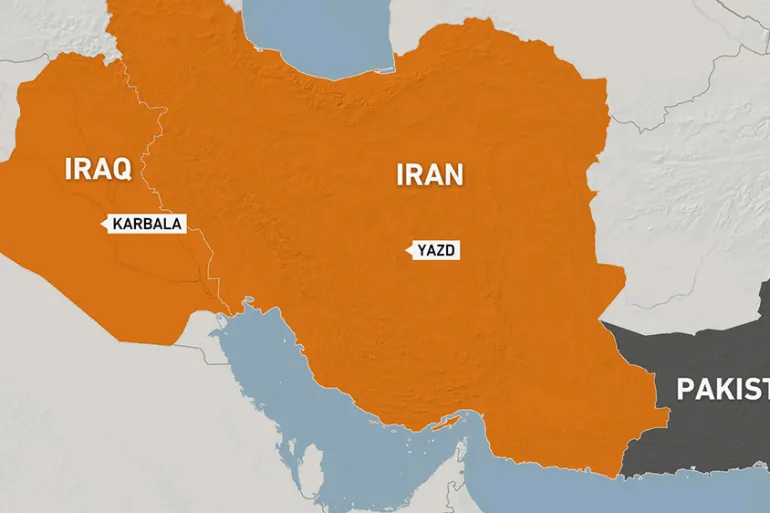
The latest escalation has placed the fragile three-week ceasefire between the United States and Iran under severe pressure. Iranian armed forces launched strikes against U.S. military infrastructure in neighboring Gulf countries on Thursday, describing the attacks as retaliation for recent U.S. airstrikes targeting Iran’s southern and eastern regions.
The renewed confrontation follows attacks earlier this week on three commercial tankers operating in the Strait of Hormuz. Washington has blamed Tehran for those incidents, while Iran has rejected allegations of responsibility.
Iran’s Revolutionary Guards Navy accused the United States of disrupting efforts to restore normal shipping through the strait and warned that any further U.S. military intervention would receive what it described as a “crushing response.”
Before the conflict erupted on February 28 following U.S. and Israeli strikes on Iran, approximately one-fifth of the world’s oil supply passed through the Strait of Hormuz. Although shipping activity had gradually recovered during the past two weeks, averaging around 40 vessels per day, traffic remained well below the pre-conflict average of between 125 and 140 daily transits.
The latest attacks have also raised fresh concerns within the marine insurance industry. Several war-risk insurers have advised shipping companies to suspend voyages through the Strait of Hormuz, while others are reviewing insurance coverage in light of the deteriorating security situation.
Global shipbroker Clarksons described the reopening of the vital waterway as increasingly uncertain following the latest military escalation.
Among the vessels struck earlier this week was the Marshall Islands-flagged Qatari liquefied natural gas tanker Al Rekayyat, which remains stranded off the coast of Oman after suffering an engine-room fire caused by a projectile strike on Tuesday night.
Industry officials said the immediate risk of explosion appears limited, and the vessel’s liquefied natural gas cargo remains secure. The Marshall Islands ship registry confirmed that no casualties or environmental damage had been reported following the incident.
Marine insurance specialists warned that recent attacks demonstrate the growing possibility of substantial financial losses involving high-value commercial vessels as regional security risks continue to intensify.