
Editorial
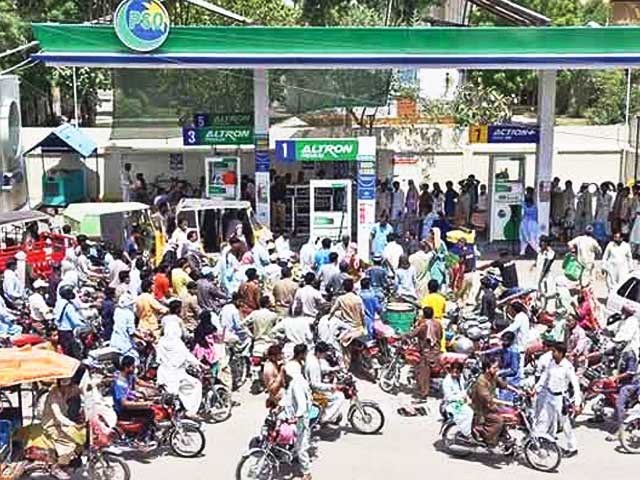
Pakistan’s energy crisis is not a pricing problem. It is an architecture problem. For decades, the state has managed the petroleum sector through administrative allocation, opaque subsidies and monopoly-controlled infrastructure, and for decades the result has been the same: shortages, circular debt, and a public left to absorb the cost of inefficiency. The time has come to say plainly what reform actually requires: not another round of price adjustments, but a comprehensive rebuilding of how oil, gas, LNG, LPG, refining, storage, logistics and retail supply function as markets.
Competitive markets, open access and cost-reflective pricing must replace the discretionary controls that have shielded inefficiency for a generation. This means deregulating fuel pricing while reforming IFEM and freight equalization through a phased, rules-based transition. It means strengthening OGRA into a regulator that is independent in fact, not merely in name, with enforceable licensing and transparent tariff determination. It means expanding exploration and production through predictable pricing and the timely settlement of receivables owed to producers who have waited too long for the state to honor its obligations.
Gas markets deserve the same discipline: third-party sales, unbundled utilities, open-access pipelines. Subsidies, where they remain necessary, must be targeted and transparent, not buried in distorted pricing formulas that punish efficiency and reward waste. Infrastructure must be modernized, losses must be reduced, and a national data platform must publish what the public has long been denied: honest numbers on stocks, imports, allocations and circular debt.
A rules-based Price Stabilization Fund can smooth volatility. It cannot substitute for reform. No fund, however well designed, will fix what only structural change can fix.
Energy security is not built through subsidy. It is built through markets that tell the truth, regulators that enforce the rules, and a state willing to relinquish control it was never equipped to exercise wisely. Pakistan does not need another patch. It needs an architecture worthy of its future.
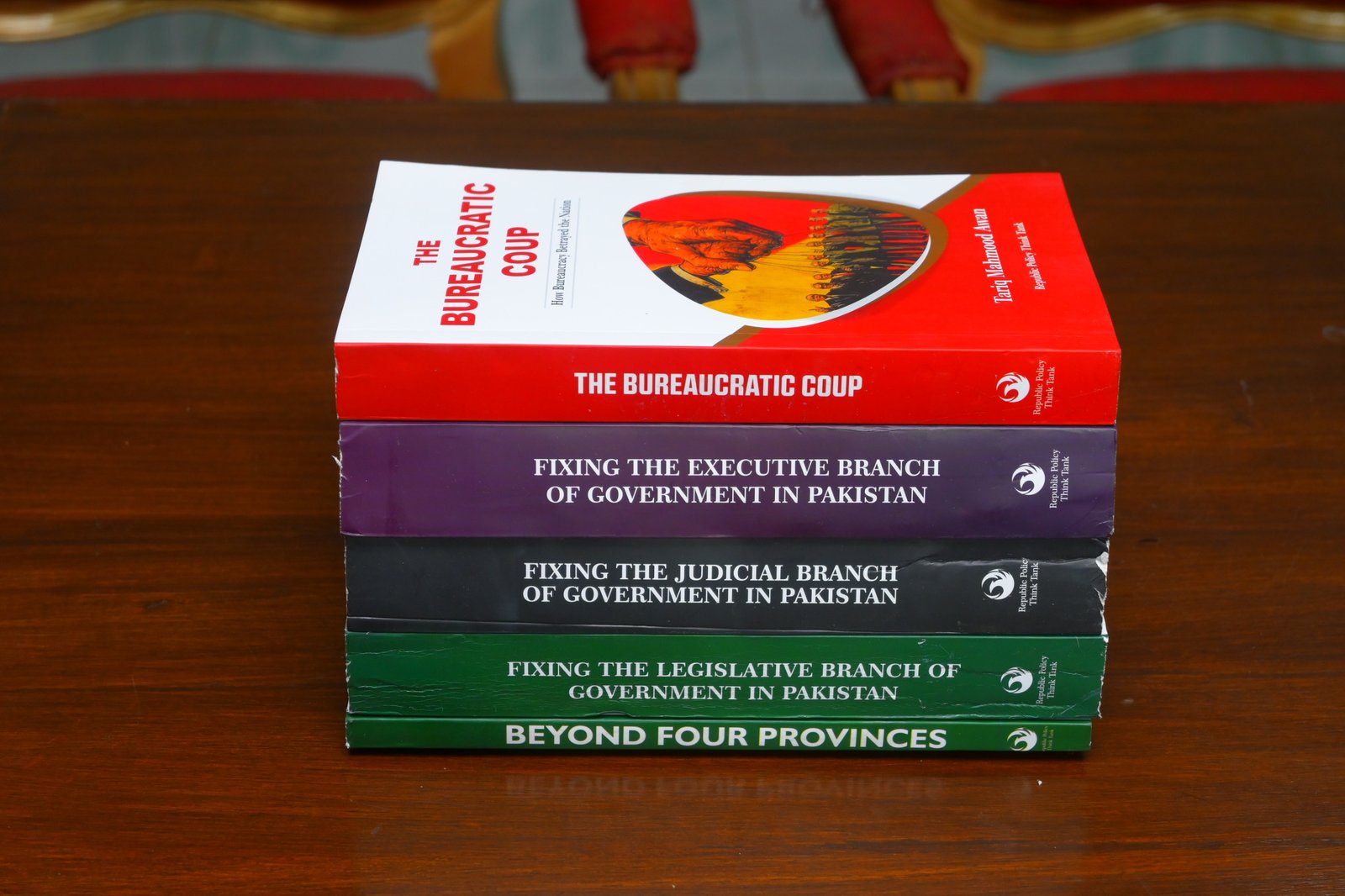
The best-selling books of Republic Policy Think Tank, including the landmark book The Bureaucratic Coup, are available at Vanguard Books, Liberty Books, Readings, Kitab Sarai, Sang-e-Meel, Saeed Book Bank Islamabad, National Book Foundation, and others across Pakistan. Contact for home delivery: 0300 9552542.