
Editorial
For a brief moment, the crisis appeared to be ending. The Strait of Hormuz reopened, stranded tankers resumed their journeys, and oil prices slid back toward pre-war levels. By late June, traders had stopped worrying about shortages and started worrying about oversupply. Brent crude touched near 73 dollars a barrel on June 29, and the market seemed convinced that a glut, not a spike, was the greater risk.
That calm proved short lived. Fresh attacks on commercial vessels and renewed military exchanges between the United States and Iran reminded traders that an open Strait is not the same as a safe one. Brent climbed back toward 80 dollars, rising roughly eight percent within days, as fear rather than demand drove the reversal.
The market now sits in an uncertain middle ground. Tankers are moving, but shipowners remain cautious, insurance costs stay high, and LNG traffic has not recovered. Crude production in the Gulf has rebounded strongly, yet refineries are lagging, and exports of diesel, jet fuel, and LPG remain below normal. This means crude prices can look comfortable even as refined fuel markets stay tight, a distinction that matters greatly for countries exposed to both.
For Pakistan, this nuance carries real weight. Lower crude prices had offered hope for the import bill and domestic inflation, but that relief depends on stability, not just supply. Every fresh attack or military threat delays the return to normal pricing, and even available oil can grow expensive if buyers doubt it can move safely.
The question has shifted. It is no longer about whether oil exists in sufficient quantity. It is about whether that oil can reach its destination without disruption. Until Hormuz proves reliably secure, the world, and Pakistan with it, will keep paying a premium for uncertainty.
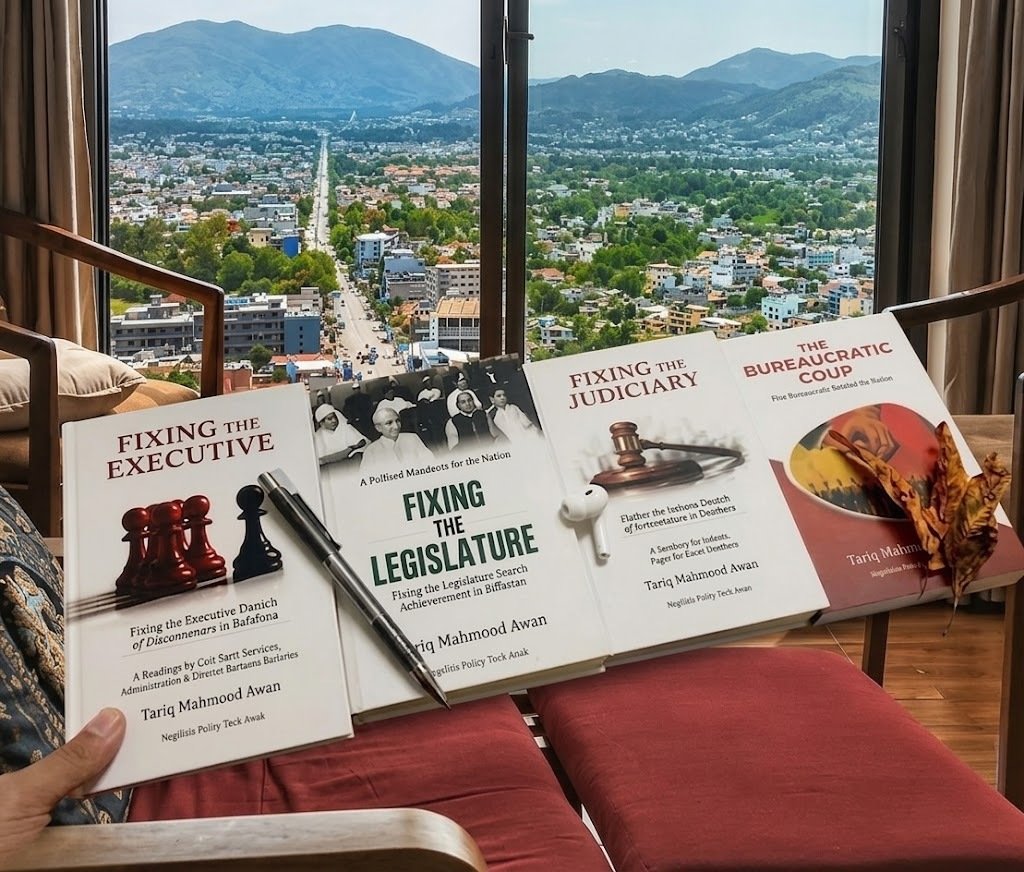
The best-selling books of Republic Policy Think Tank, including the landmark book The Bureaucratic Coup, are available at Vanguard Books, Liberty Books, Readings, Kitab Sarai, Sang-e-Meel, Saeed Book Bank Islamabad, National Book Foundation, and others across Pakistan. Contact for home delivery: 0300 9552542.