
Editorial
Pakistan’s economic conversation keeps returning to single explanations. Cheaper credit will grow small firms. Digital payments will formalise them. Better hotels will bring tourists. Easier registration will end informality. Each idea holds a grain of truth, yet none can repair a system by fixing one part of it.
Travel across rural Sindh, South Punjab and Gilgit-Baltistan shows that Pakistan is no longer the cash-bound economy it is often described as. Roadside shops and small vendors, even in remote settlements, now accept mobile payments freely. The State Bank of Pakistan recorded QR-enabled merchants doubling within a year, past one million. Yet a digital transaction creates no legal identity. It does not build a credit history, register an employee or produce an enforceable contract. Pakistan has digitised informality without formalising it.
Istanbul offers the opposite picture. Cash is often preferred there, discounts are given for it, yet the city sustains a vast tourism economy because the destination itself functions: transport, security, heritage and marketing work together. A single hotel cannot manufacture that system, and Pakistan should stop asking it to.
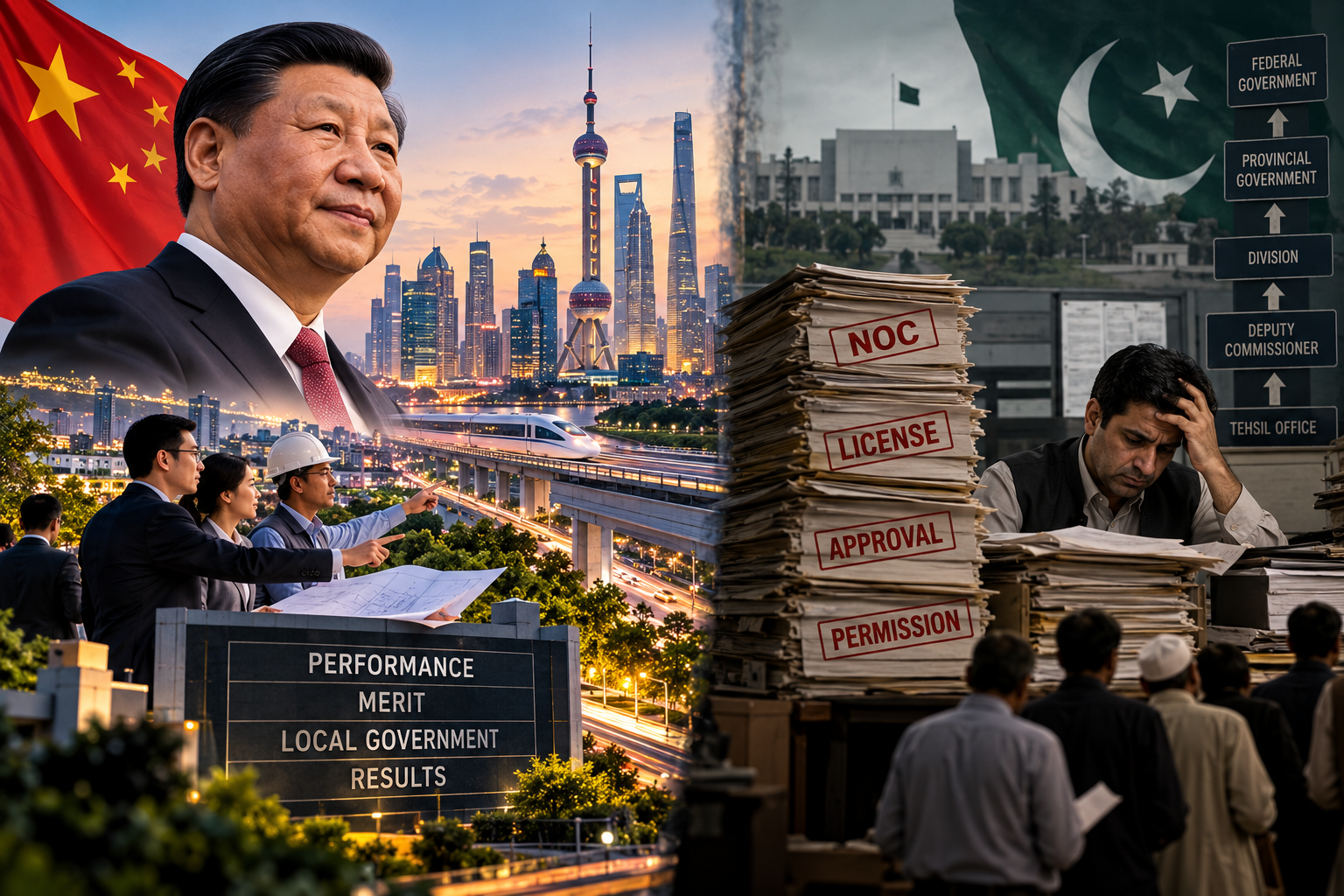
China presents a harder case still. Its payment architecture inconveniences foreign visitors, yet its firms thrive because logistics, supply chains and administration form one coherent whole. China asks the outsider to adapt to its system. Pakistan asks its entrepreneurs to adapt endlessly to the absence of one.
Pakistani businessmen often work harder than their counterparts abroad, not because they lack skill, but because governance has shifted its own burden onto them. Electricity, security, transport and predictability are the entrepreneur’s private responsibility here, when elsewhere they are public guarantees.
Until governance begins to carry more of that weight, Pakistan’s small businesses will keep multiplying their effort while the return keeps shrinking.
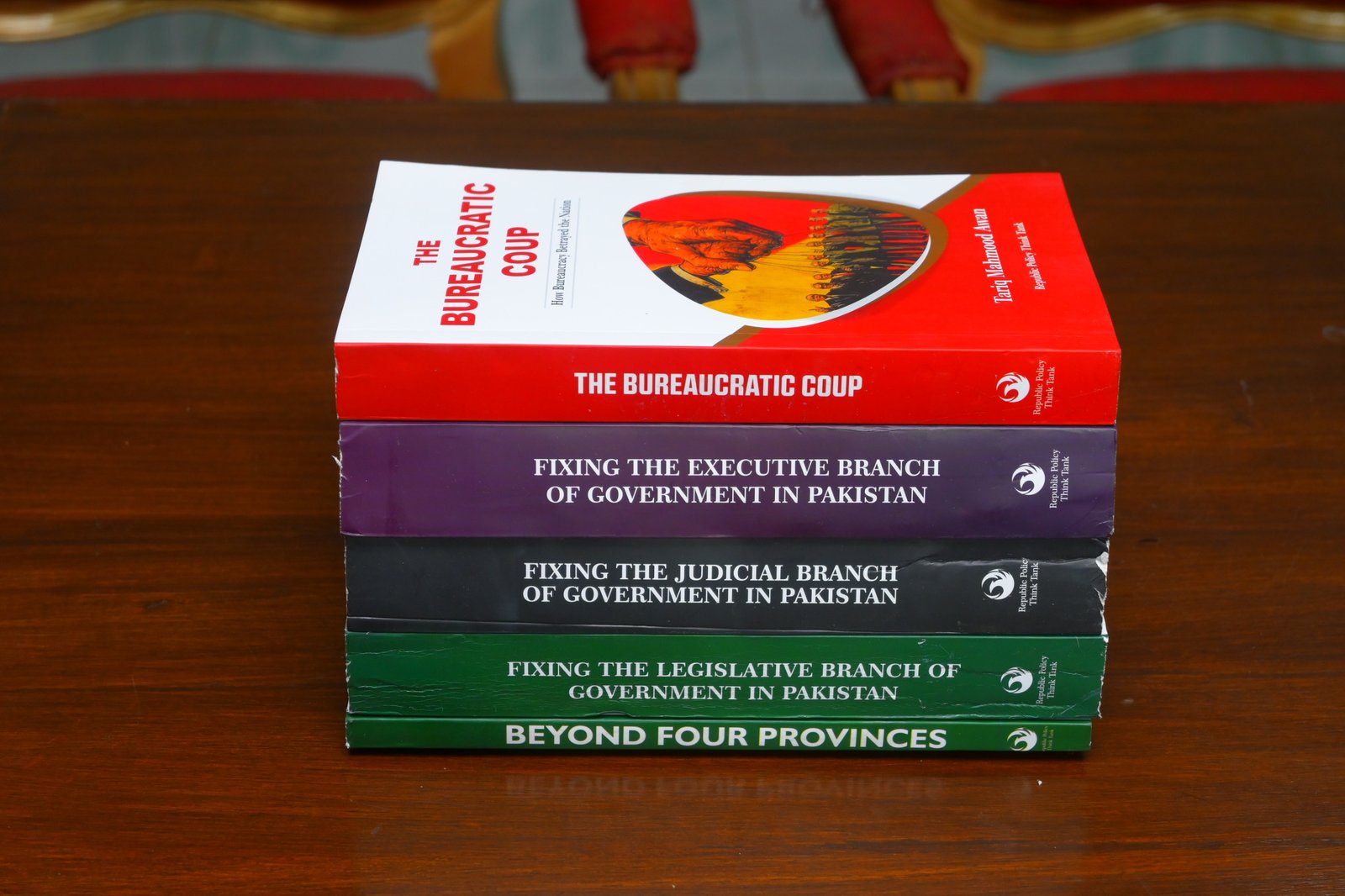
The best-selling books of Republic Policy Think Tank, including the landmark book The Bureaucratic Coup, are available at Vanguard Books, Liberty Books, Readings, Kitab Sarai, Sang-e-Meel, Saeed Book Bank Islamabad, National Book Foundation, and others across Pakistan. Contact for home delivery: 0300 9552542.