
Arshad Mahmood Awan
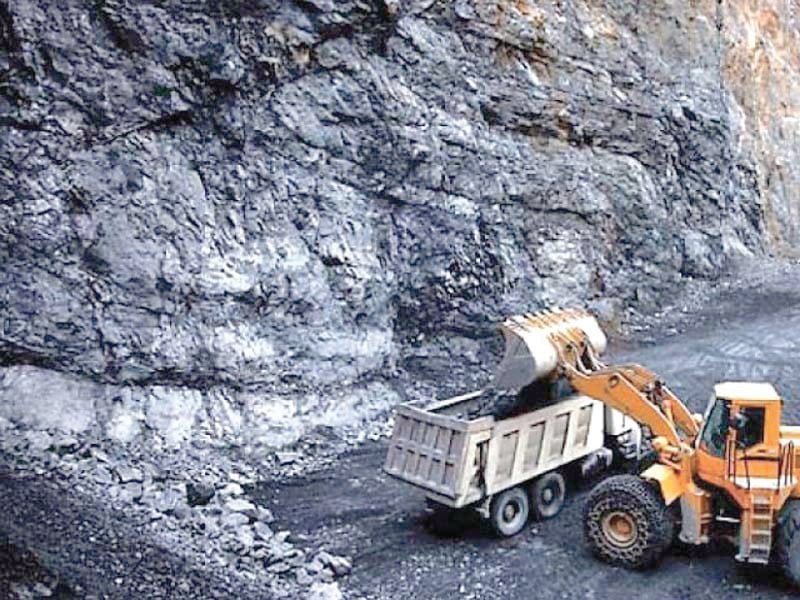
The methane explosion that claimed the lives of thirty-four coal miners near Quetta is more than another industrial accident. It is yet another reminder that in Pakistan, the lives of workers remain among the least protected national assets. Every such tragedy follows a painfully familiar pattern. There is public outrage, official condolences, the announcement of an inquiry, and modest financial compensation for grieving families. Then attention fades, reports gather dust, and the dangerous conditions that caused the disaster remain largely unchanged. Months or years later, another workplace catastrophe claims more lives, repeating the same cycle of neglect.
The victims of the Quetta mine disaster were not merely statistics. They were fathers, brothers, sons, and breadwinners whose families depended entirely on their daily earnings. Most of them had travelled hundreds of kilometres from Shangla in Khyber Pakhtunkhwa to work in Balochistan’s hazardous coal mines because poverty offered them few alternatives. Twenty-three of the deceased belonged to a single village, leaving behind an entire community overwhelmed by grief. Even more heartbreaking is the fact that several victims were sons of miners who had themselves died in previous mining accidents. This tragic continuity illustrates how poverty forces one generation to inherit the risks that destroyed the previous one.
Coal mining has always been recognised as one of the world’s most dangerous occupations. Underground mines present multiple hazards, including methane explosions, roof collapses, flooding, fires, poor ventilation, and toxic gases. However, modern mining technology and strict safety regulations have dramatically reduced fatal accidents in many countries. Advanced gas detection systems, continuous air monitoring, emergency escape routes, effective ventilation, protective equipment, and well-trained rescue teams have become standard requirements across responsible mining industries. The persistence of deadly mining disasters in Pakistan therefore reflects not the inevitability of mining but the failure to enforce basic safety standards.
The latest explosion raises numerous questions that demand clear and transparent answers. Was the mine inspected before workers entered? Were methane levels continuously monitored? Did ventilation systems function properly? Were emergency exits available? Was rescue equipment positioned nearby? Had previous safety violations been reported? If inspections were conducted, were recommendations implemented? These are not technical details reserved for investigators alone. They determine whether workers lived or died.
Announcing compensation, although necessary, cannot substitute for accountability. The payment of five hundred thousand rupees to each bereaved family may provide temporary financial relief, but no amount of money can replace a parent, spouse, or child. Compensation should never become an alternative to preventing accidents. Instead, it must accompany criminal investigations whenever negligence, regulatory failures, or deliberate violations of safety standards are discovered. Unless employers, mine operators, inspectors, and public officials face real legal consequences for preventable deaths, financial payments will simply become another predictable expense after every tragedy.
Pakistan’s coal industry has witnessed repeated fatal accidents over several decades. Methane explosions, tunnel collapses, suffocation, and landslides have claimed hundreds of lives. Despite these recurring incidents, safety improvements have remained inconsistent. Mine owners frequently argue that modern equipment is expensive, while regulatory authorities often cite shortages of manpower and resources. Neither justification is acceptable when human lives are at stake. Safety cannot be treated as an optional business expense.
The economic pressures facing miners also deserve careful attention. Most coal miners belong to economically disadvantaged communities where employment opportunities are scarce. They accept dangerous working conditions because refusing work often means hunger for their families. In such circumstances, the concept of voluntary acceptance of risk becomes deeply misleading. Workers who have no meaningful economic alternatives cannot truly negotiate safe working conditions. Responsibility therefore rests primarily with employers and the state to ensure that workplaces meet acceptable safety standards.
Unfortunately, the mining sector reflects broader weaknesses in Pakistan’s labour governance. Regulatory institutions often suffer from inadequate staffing, insufficient technical expertise, political interference, and weak enforcement mechanisms. Inspections may become routine paperwork rather than genuine evaluations of workplace safety. Violations frequently remain unresolved for months or years, while penalties are either too small to discourage negligence or are simply never imposed. Such institutional weaknesses create an environment where employers may calculate that ignoring safety regulations costs less than complying with them.
The Quetta disaster also highlights deficiencies in emergency preparedness. Every high-risk industry requires specialised rescue capabilities capable of responding within minutes rather than hours. Underground mining accidents leave little margin for delay. Methane explosions consume oxygen, release toxic gases, and trigger structural collapses that rapidly reduce survival chances. Effective rescue operations therefore depend upon continuous preparedness rather than emergency improvisation after accidents occur. Rescue teams require advanced equipment, specialised training, regular drills, and immediate accessibility. Their absence transforms accidents into mass fatalities.
Another critical concern is transparency. Investigations into industrial disasters frequently produce reports that remain inaccessible to the public. Without publication of findings, citizens cannot determine whether lessons have been learned or whether responsible individuals have faced consequences. Public confidence requires complete transparency. Investigation reports should identify regulatory failures, technical deficiencies, responsible officials, and recommended reforms. Parliament, provincial assemblies, labour organisations, and civil society should monitor implementation rather than allowing recommendations to disappear within bureaucratic files.
Mining, however, represents only one part of Pakistan’s wider occupational safety crisis. Across multiple industries, workers continue to perform dangerous jobs under inadequate protection. Factories, construction sites, shipbreaking yards, brick kilns, stone-crushing units, chemical plants, and informal manufacturing workshops regularly expose employees to avoidable hazards. These industries differ in their operations, but they share one common characteristic: workplace safety often receives attention only after tragedy strikes.
The Baldia factory fire remains one of Pakistan’s darkest industrial disasters. Hundreds of workers lost their lives because emergency exits were blocked, fire safety arrangements were inadequate, and evacuation procedures were either absent or ineffective. Many victims died not because the fire itself was unavoidable but because escape became impossible. The tragedy demonstrated how multiple regulatory failures can combine to transform an ordinary workplace into a death trap within minutes.
Similarly, the explosion at the Gadani shipbreaking yard revealed dangerous weaknesses in industrial regulation. Workers dismantling large oil tankers often handle highly flammable materials without sufficient protective equipment or emergency planning. The deadly explosion that killed dozens of labourers exposed the enormous risks created when hazardous industries operate without strict compliance with internationally recognised safety standards.
Equally disturbing is the continuing prevalence of silicosis among workers employed in stone-crushing industries. Thousands of labourers inhale fine silica dust daily without adequate respiratory protection. The disease develops slowly but destroys lung tissue permanently, eventually leading to respiratory failure and premature death. Unlike sudden explosions, silicosis represents a silent occupational killer that receives little public attention despite affecting vulnerable workers across several provinces.
These recurring disasters expose a troubling governance pattern. Employers seek to minimise production costs, regulatory inspections often remain weak, workers hesitate to report unsafe conditions for fear of losing employment, and government intervention typically begins only after fatalities attract national attention. Prevention consistently receives lower priority than post-disaster response.
Pakistan possesses labour laws intended to protect workers, yet implementation remains inconsistent across provinces. Following constitutional devolution, occupational safety largely became a provincial responsibility. While legislative reforms have been introduced in several provinces, enforcement capacity has not kept pace. Inspectorates require greater independence, improved technical expertise, digital inspection systems, and adequate financial resources to perform meaningful oversight.
Worker registration also remains incomplete across many sectors. Large numbers of labourers continue working without formal employment contracts, social security registration, health insurance, pension coverage, or documented employment records. When accidents occur, employers may deny responsibility, leaving bereaved families without compensation or legal protection. No worker should lose statutory rights simply because an employer failed to fulfil registration obligations.
The tragedy near Quetta should therefore become more than another headline. It should force Pakistan to confront uncomfortable questions about the value it places on human life, labour rights, and regulatory responsibility. Economic growth cannot be measured solely through production figures while workers continue paying for that growth with their lives. Sustainable development requires industries that value safety as highly as profitability.
Protecting workers is neither an economic burden nor a bureaucratic formality. It is a constitutional obligation, a legal responsibility, and a moral imperative. Every preventable workplace death represents not only a personal tragedy but also a failure of governance. Until negligence carries heavier consequences than compliance, employers invest in safety rather than compensation, regulators enforce laws without fear or favour, and governments place occupational health among their highest priorities, Pakistan’s workplaces will continue producing tragedies that could—and should—have been prevented.
The Quetta mine explosion must therefore mark the beginning of a different national conversation. The country owes its workers more than condolences after disaster. It owes them the right to return home safely after every working day. That promise should become the foundation of Pakistan’s future labour policy rather than an aspiration repeatedly buried alongside those whose lives were lost through preventable neglect.