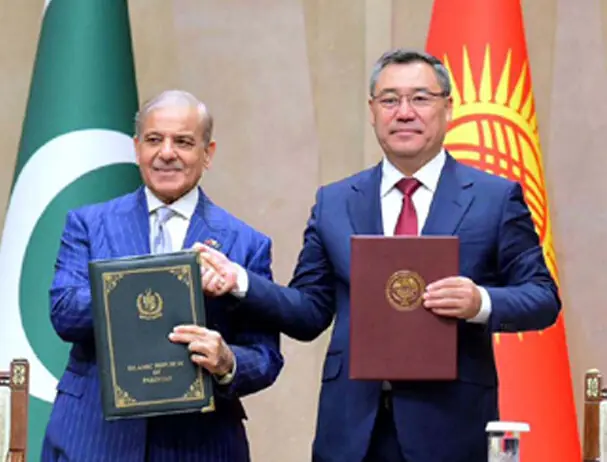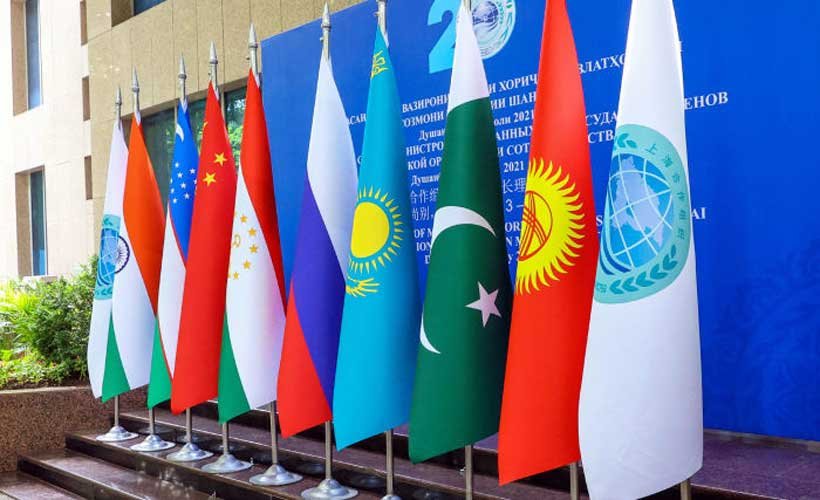

As the China-Pakistan Economic Corridor shifts towards industrial cooperation and green technology, Pakistan faces a complex question: can Chinese investment strengthen its productive capacity while reducing its dependence on foreign capital and technology?
The China-Pakistan Economic Corridor (CPEC) is a multibillion-dollar infrastructure and development initiative connecting China’s Xinjiang region with Pakistan’s deepwater port at Gwadar. Launched in 2015 as a flagship project of Beijing’s Belt and Road Initiative, the corridor was designed to improve Pakistan’s infrastructure and economic prospects while providing China with a shorter route to the Arabian Sea.
Its first phase, commonly known as CPEC 1.0, concentrated on major infrastructure and energy projects. The second phase, CPEC 2.0, places greater emphasis on industrial collaboration, private-sector investment and business-to-business partnerships.
This transition also reflects China’s growing role as a supplier of electric vehicles, solar technology and other components of the global shift towards electrification. For Pakistan, the opportunity extends beyond infrastructure development. It raises questions about technological independence, energy affordability and the country’s position within international production networks