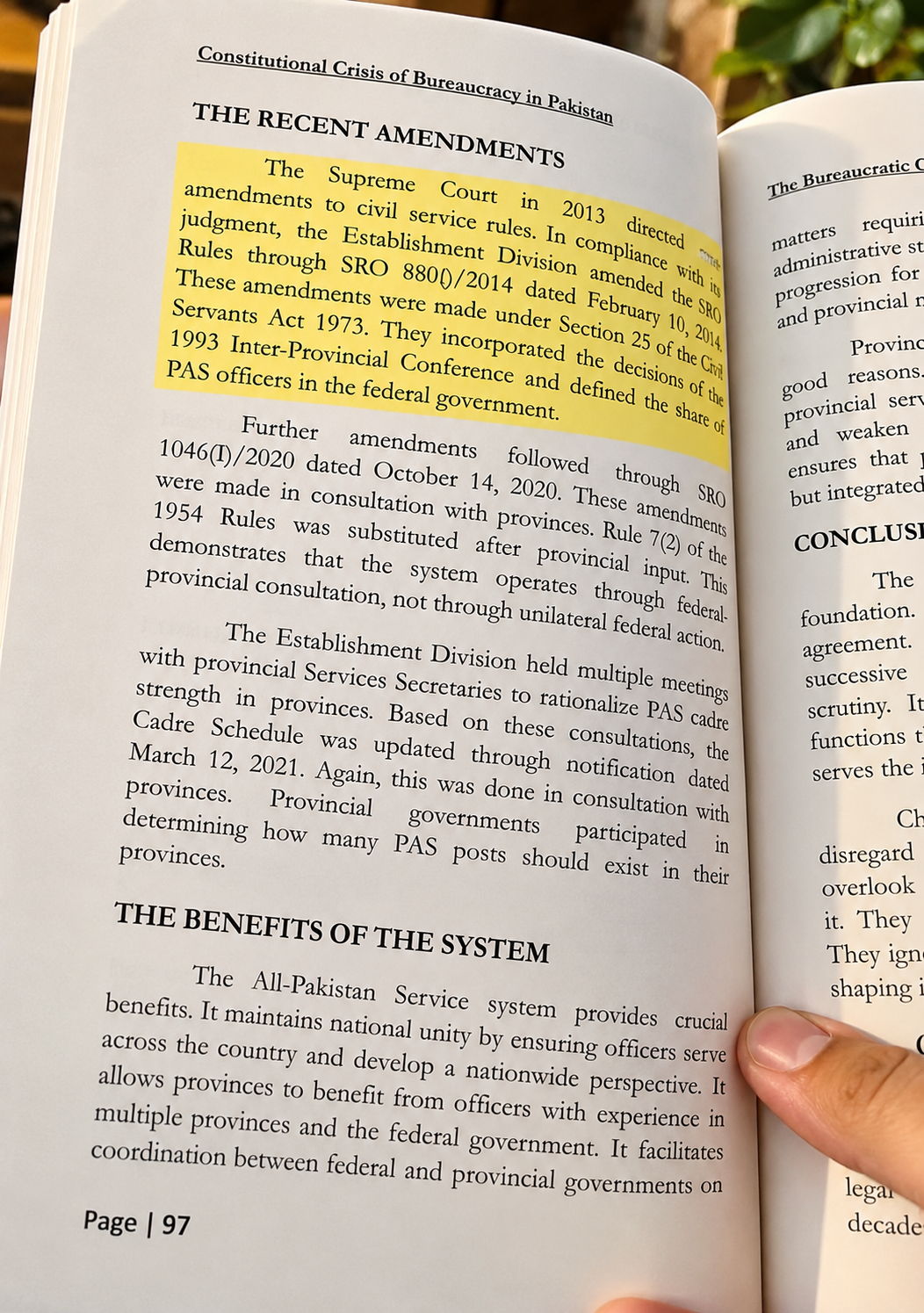

EDITORIAL
The role of the police and other investigative agencies in the justice system is as important as that of the courts, yet it receives surprisingly little attention. Much is written about reforming judges and the judiciary, but far less is said about the teams responsible for providing courts with data, evidence, and sound arguments—and about the training and professional capacity required to perform that task effectively.
The success of a case ultimately depends to a great extent on the quality of investigation and research. In the modern era, criminal methods have evolved rapidly, yet forensic science in Pakistan remains, perhaps, not even at the stage where it should be. Investigative teams often lack access to the modern technology and tools required to collect, preserve, and analyze evidence effectively.
This book argues that reforming the police system must precede any meaningful reform of the justice system. When the police, driven by greed or vested interests, turn minor disputes into serious cases; when they take parties to court instead of encouraging reconciliation; when investigations are unnecessarily prolonged; when evidence is poorly collected, compromised, or simply lost, it is not enough to question the quality of judicial decisions. Before debating the performance of judges, we must address the weaknesses of the investigative system that feeds cases into the courts in the first place.
A justice system can only be as strong as the investigation and evidence upon which its cases are built. If the investigative process is weak, even the most capable judiciary will struggle to deliver timely and meaningful justice.
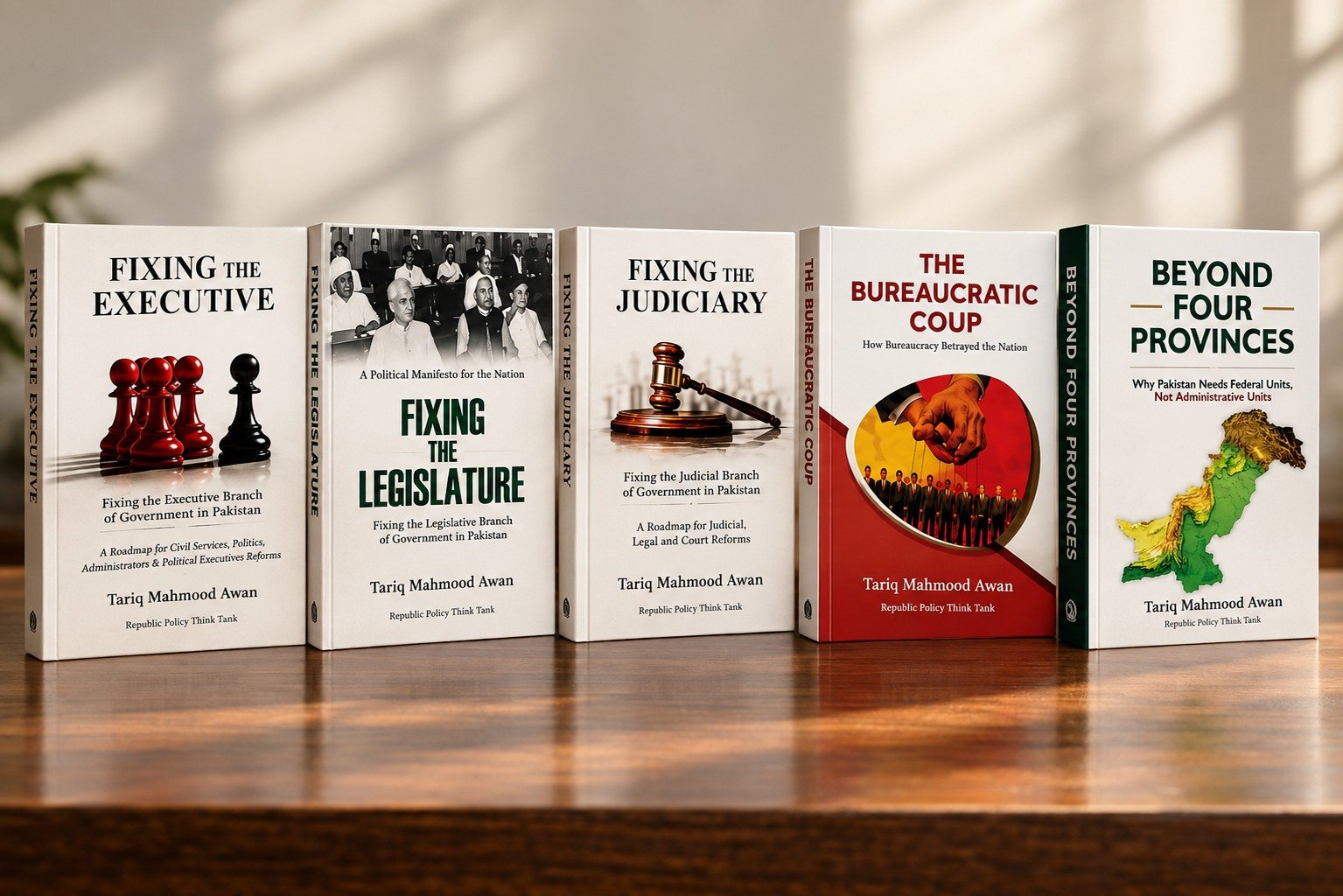
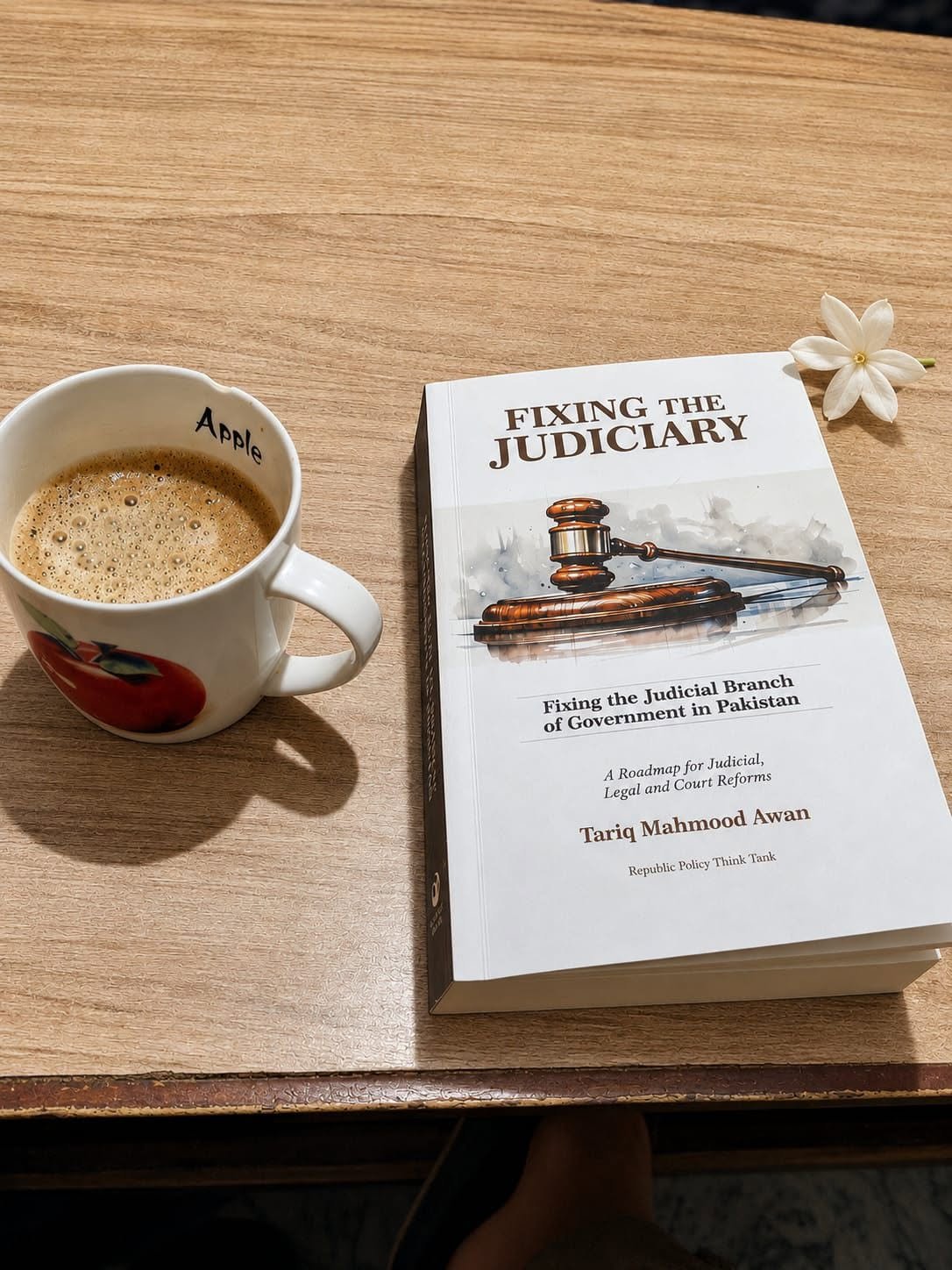
This important book, published by Republic Policy, makes the case for placing police and investigative reform at the heart of Pakistan’s broader justice-sector reform agenda.
To order a copy of the book:
0341-4222501