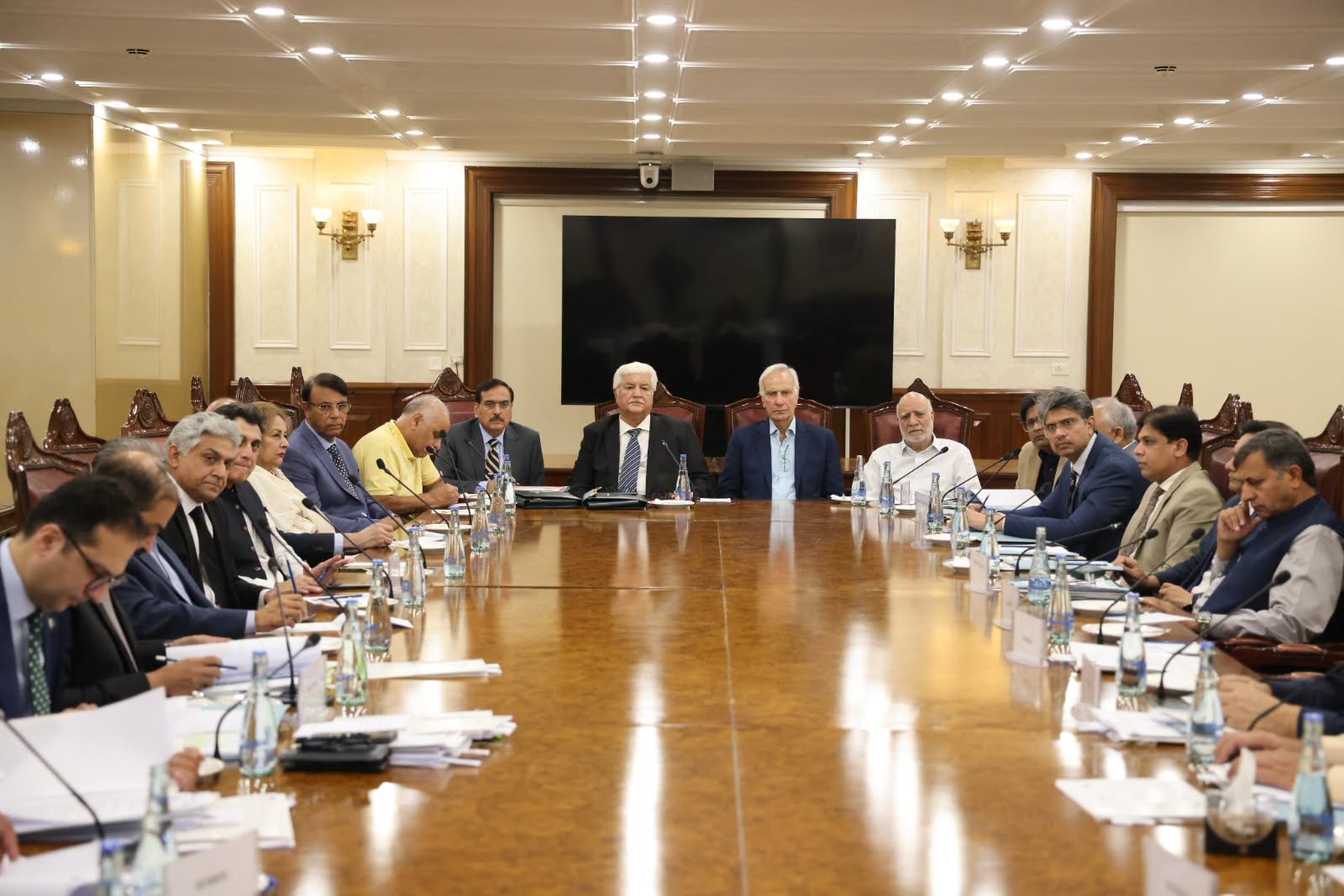
At a panel discussion on civil service reforms organised by Republic Policy, renowned economist and former Vice Chancellor of the Pakistan Institute of Development Economics (PIDE), Dr Nadeem ul Haque, offered a critical assessment of the bureaucratic structure governing Pakistan’s economy.
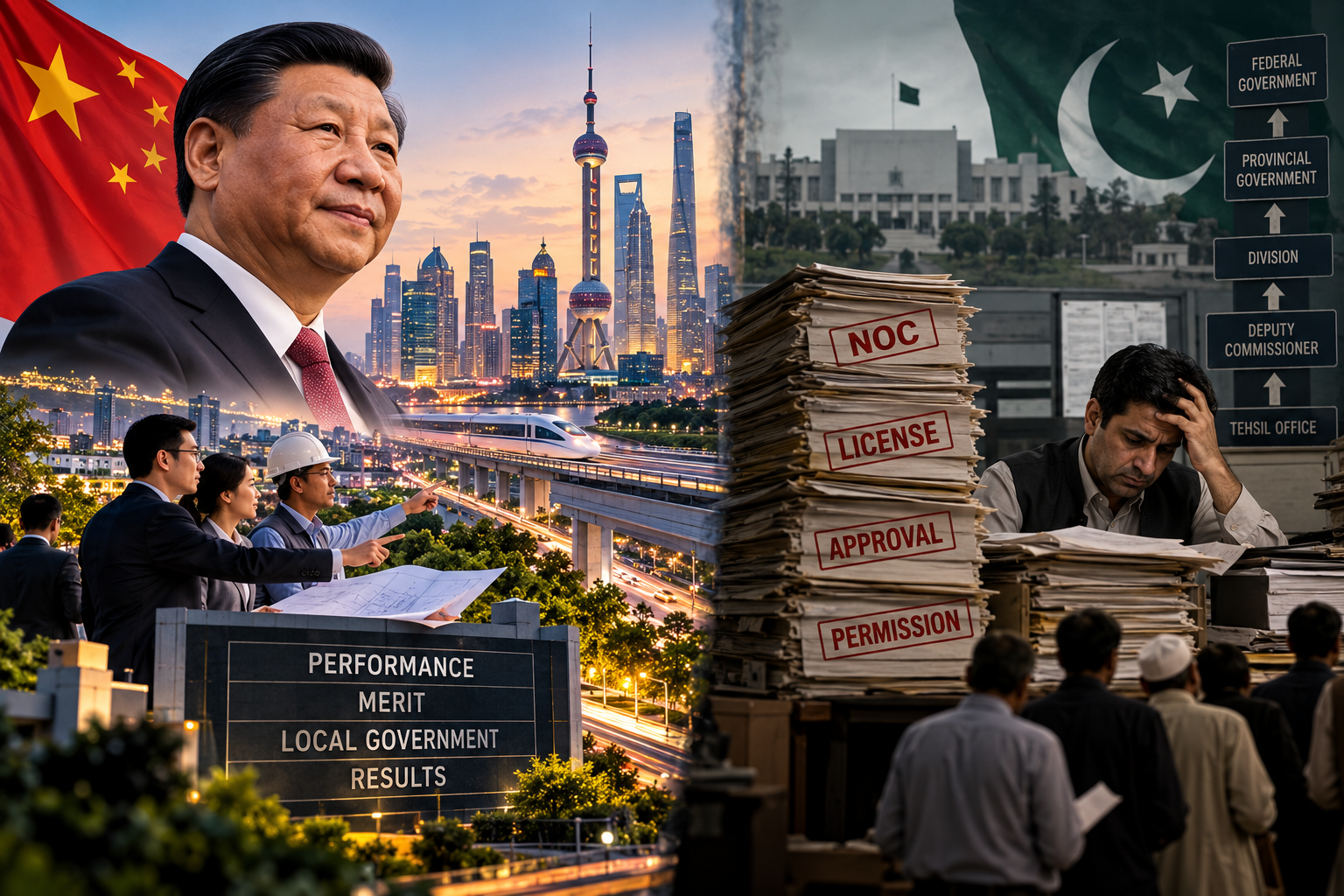
At the heart of his argument was the gatekeeping role of bureaucracy. He maintained that Pakistan cannot achieve genuine economic progress as long as decision-making remains trapped in files, procedural hurdles and bureaucratic red tape. In his view, bureaucracy continues to exercise substantial control over economic activity, creating what he described as “bureaucratic inertia.”
This institutional inertia is not merely an administrative problem; it directly affects the functioning of the economy. When economic decisions must repeatedly pass through bureaucratic controls, the space available for enterprise, investment and market activity becomes constrained.
Dr Haque therefore emphasised the need to free economic activity from unnecessary restrictions. Economic transactions must become easier, access to information must be opened, and effective markets must be allowed to develop. Without these conditions, sustainable economic growth will remain difficult to achieve.
His argument raises a fundamental question for civil service reform: should bureaucracy act as a gatekeeper of economic activity, or should administrative institutions facilitate citizens, businesses and markets?
Reforming the civil service, from this perspective, requires more than reorganising departments or changing administrative positions. It requires reconsidering the relationship between bureaucracy and the economy itself. A modern administrative system should facilitate economic activity rather than obstruct it through unnecessary controls and procedural barriers.
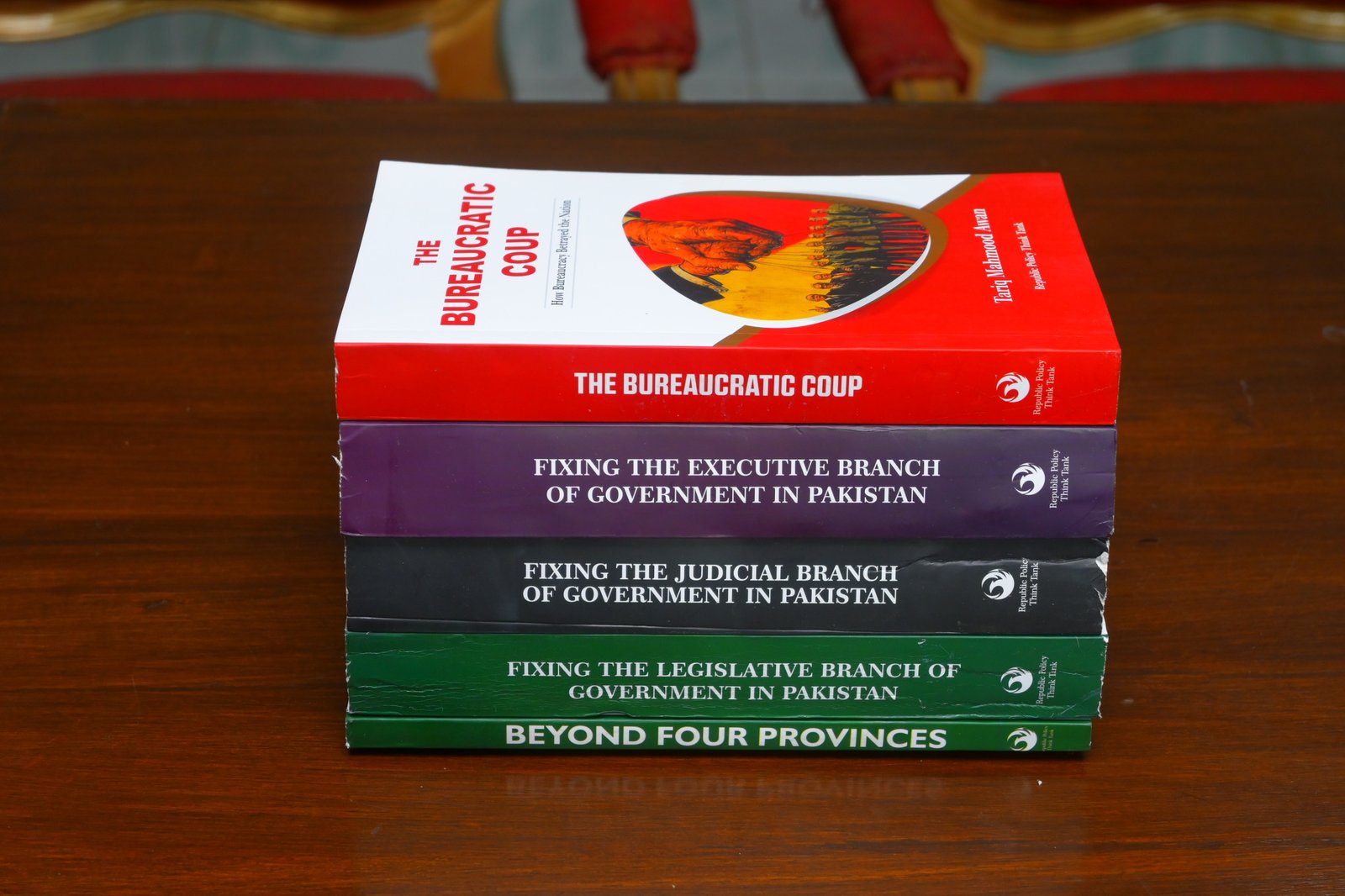
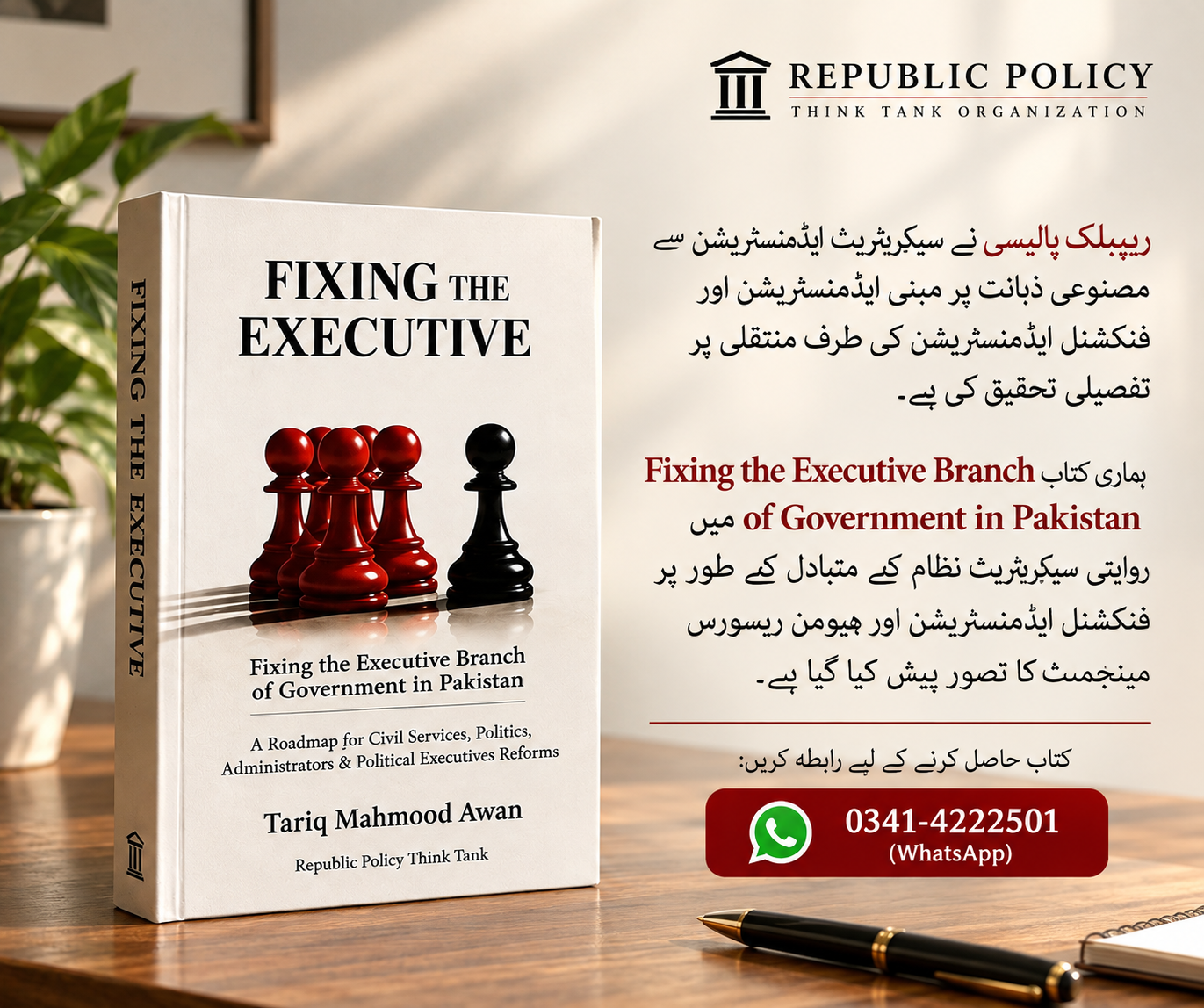
For further information and Republic Policy’s books on institutional and governance reforms, please contact us.
0341-4222501