
Clear warning signs always precede a gathering storm—be it a sudden drop in the wind, an unusually low tide, or wisps of clouds drifting across the sky. Yet, it is all too easy to misjudge or disregard these indicators, brushing off early rainfall as a temporary shower until disaster strikes.
This pattern applies as much to human civilization as it does to nature. Political regimes appear invincible right up until their collapse. Domestic revolutions and global geopolitical shifts—which frequently coincide—seem obvious in hindsight, even if they were overlooked at the time. Closer inspection usually reveals that the writing was on the wall all along.
In peaceful, structured societies, people often adopt the naive optimism of Voltaire’s Dr. Pangloss, convincing themselves that all is well despite crumbling conditions. We may complain about economic strain, distant conflicts, or political extremism, yet we rarely expect our own lives to be upended.
We would be wiser to take cues from Albert Camus’s The Plague. When dead rats litter the streets of Oran and a strange illness spreads, both officials and citizens ignore the danger until it becomes inescapable. As Camus noted, despite the frequency of wars and plagues throughout history, they invariably catch humanity off guard.
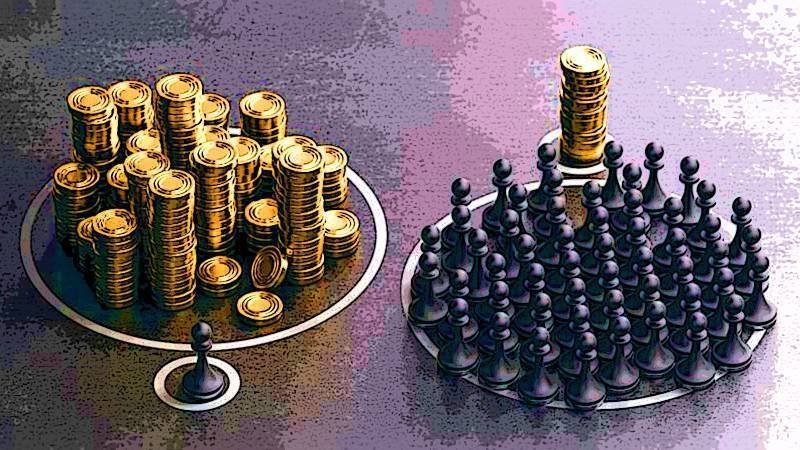
Today, the warning signs are everywhere. Global temperatures break records, droughts parch the earth, and wildfires surge. Debt levels in developed nations near peak limits. Reduction in foreign medical and food assistance—particularly from the U.S.—has cost lives and heightened the risk of future pandemics. Meanwhile, the unbridled expansion of artificial intelligence poses severe threats to employment, security, and ultimately, human survival.