
Jahanzeb Alvi
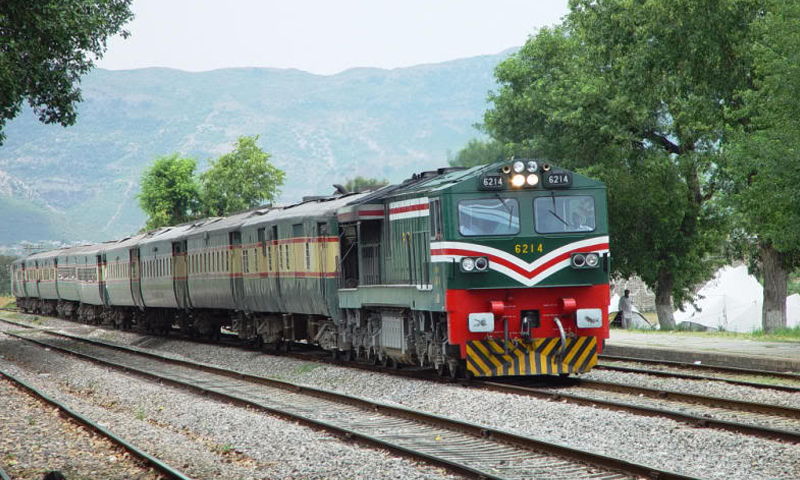
Prime Minister Shehbaz Sharif has directed that Pakistan Railways be modernised and that the commercial value of its land be put to work. The move deserves a fair welcome. Few public institutions in the country have been neglected for so long, starved of investment and left to drift into financial weakness. The plan to use railway property to help pay for the 1,726-kilometre Main Line-1 upgrade could open a source of money that the project badly needs. Still, the initiative raises a basic question. How does the state actually intend to revive one of its most valuable assets? And is selling or developing railway land for commercial use the wisest choice, when the same land may be needed to run and expand the network in the years ahead?
For decades, Pakistan Railways has not received the steady policy attention that its economic weight deserves. Government after government let road transport take over a growing share of the country’s movement of people and goods. Meanwhile, tracks aged, freight capacity shrank and operations fell behind. This is a costly mistake for a developing economy. Rail moves heavy loads over long distances far more cheaply than trucks can. For ordinary passengers, especially low-income families, a cheap and reliable train is not a luxury. It is a public service that many of them depend on.
India shows what consistent investment and political focus can deliver. Its vast network carries huge numbers of passengers and enormous quantities of freight every day. In a large country with deep income gaps, the train remains the backbone of mobility. Pakistan is not India, and its conditions are different. But the economic reasoning holds in both places. A working railway cuts transport costs, links regions and takes pressure off crowded highways. Railway development should therefore sit at the centre of economic planning. It should not be treated as a repair job that governments remember once every few years.
Freight is where the biggest opportunity lies. Pakistan’s main ports are in the south, while much of its industry and trade stretches towards the north. Imported goods must travel up the country to factories and markets. Exports must travel down to the sea. This two-way flow creates a natural and lasting demand for strong freight service along the Karachi-Peshawar corridor. If more containers and bulk goods moved by rail, the country would lean less on long-haul trucking, logistics would become more efficient and the railways would finally have a solid commercial footing. ML-1 must be planned around this reality. It needs enough freight capacity, proper terminals and good links to ports and industrial zones. Without these, the upgrade will fall short of its promise.
The fresh focus on railway land is also long overdue. Encroachment and poor management have stripped the organisation of real control over valuable property. Past administrations never built the transparency and discipline that such assets demand. Efforts to identify and reclaim occupied land deserve full support. But first things must come first. The government needs a complete inventory, clean ownership records and an honest assessment of what each plot is worth today and what it may be needed for tomorrow. Only then should anyone decide whether to lease, develop or pledge it.
There is a legal side to this as well, and it cannot be brushed aside. Land held or used by Pakistan Railways has varied histories of ownership, acquisition and transfer. Some of it involves arrangements with provincial governments. Before any property is mortgaged, leased or built upon, clear title and legal rights must be settled. Equally, land that may be required for new tracks, freight yards, terminals, stations or future expansion must be protected. A quick commercial gain should never come at the price of the network’s long-term needs. Once such land is lost to shopping plazas or housing schemes, it is rarely recovered.
In the end, real reform has to go beyond property. Running the railways on corporate lines means fixing operations, maintenance, financial accountability, freight marketing and the reliability of service. Borrowing against assets may help fund new infrastructure, but debt has to be repaid. That requires believable revenue forecasts and careful handling of risk. The government should make the financing framework public, have its commercial viability judged independently and set clear milestones so that progress can be measured.
For too long, Pakistan Railways has been treated as a burdensome inheritance rather than a productive national asset. The prime minister’s initiative offers a chance to change that thinking. But the true test will not be how much land is sold or developed. It will be whether the railway begins to pay its own way by carrying far more passengers and freight, with its land serving that larger purpose rather than replacing it.
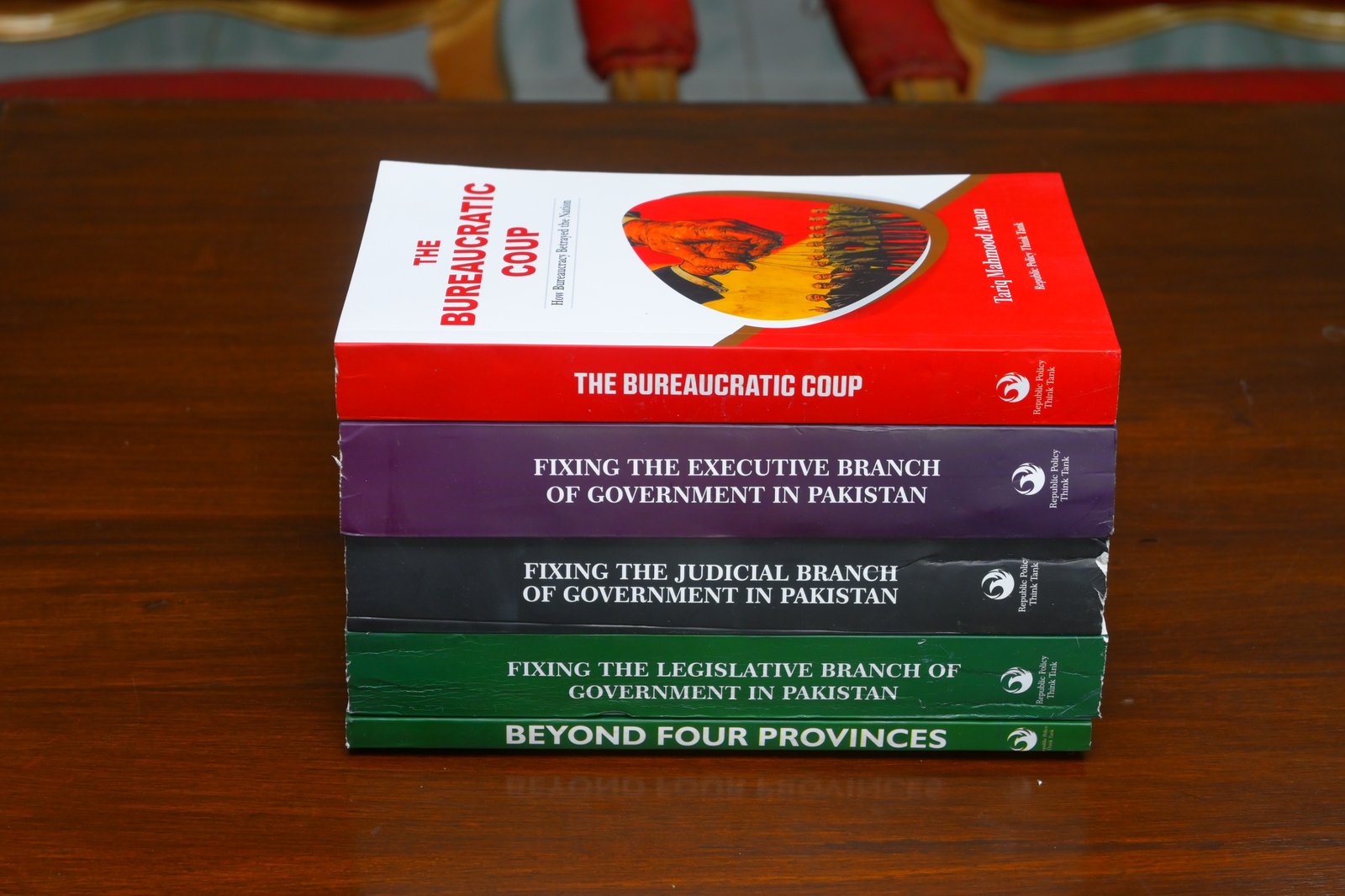
The best-selling books of Republic Policy Think Tank, including the landmark book The Bureaucratic Coup, are available at Vanguard Books, Liberty Books, Readings, Kitab Sarai, Sang-e-Meel, Saeed Book Bank Islamabad, National Book Foundation, and others across Pakistan. Contact for home delivery: 0300 9552542.