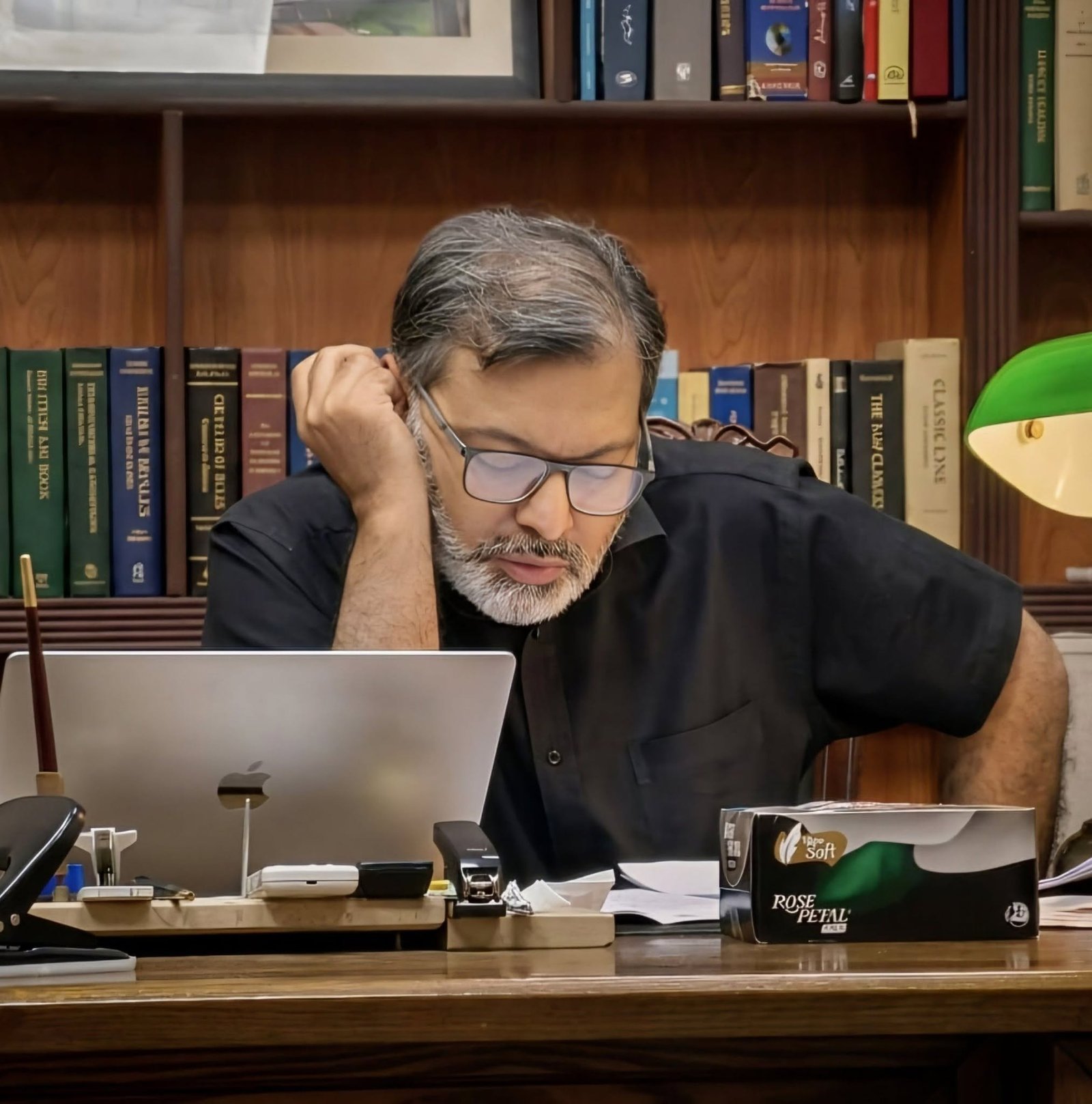

Barrister Naveed Qazi
Allama Iqbal warned nearly a century ago that dividing human beings into masters and servants corrupts humanity itself, and that nature punishes the oppressor harshly. Lahore needs to hear that warning again, because the old divide is alive and well, and it sits on some of the most valuable public land in the city.
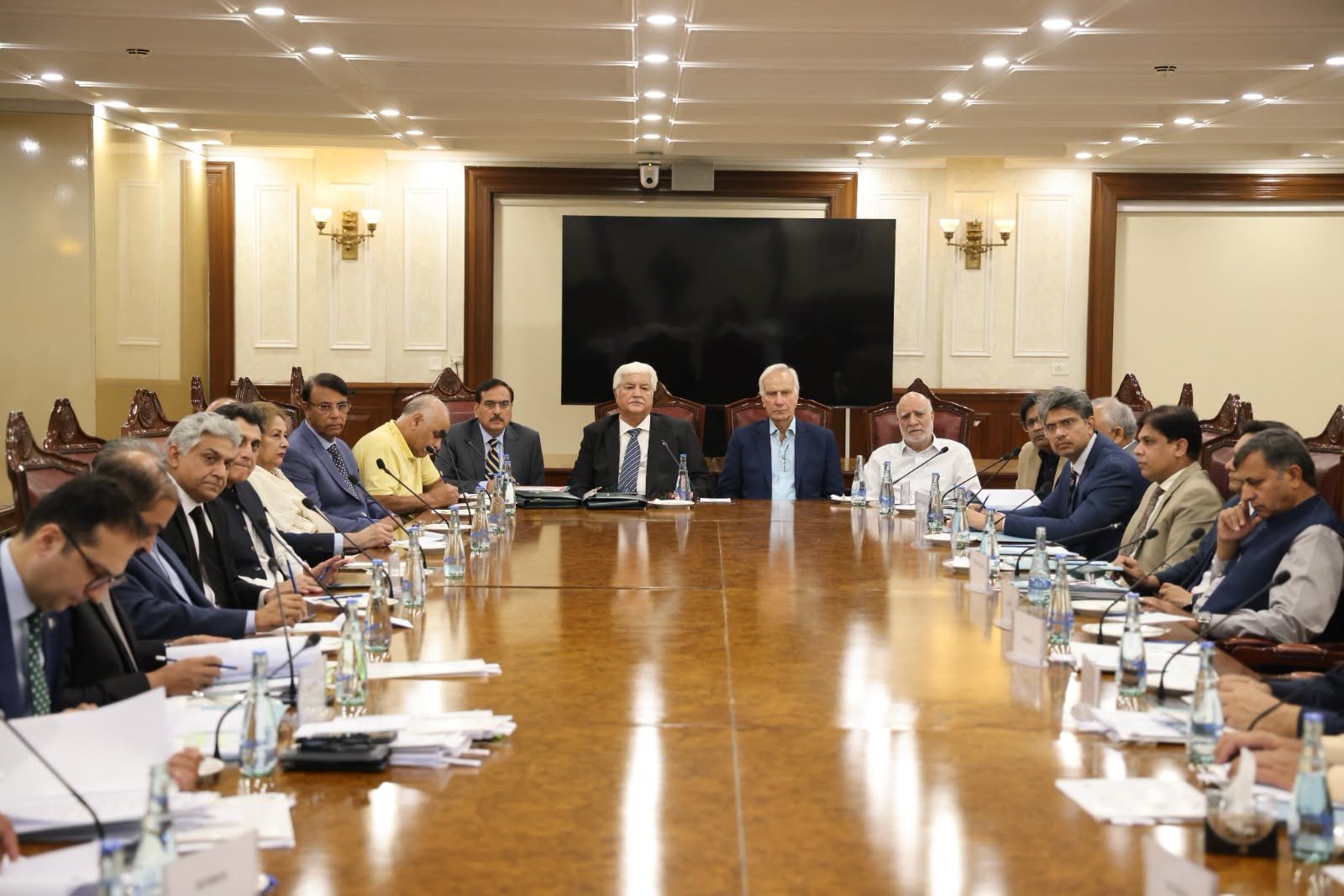
For a second consecutive day, Special Committee No. 6 of the Punjab Assembly met to examine the affairs of the Lahore Gymkhana. The club’s chairman and members of its management committee appeared before the lawmakers and gave their briefing. What emerged was not simply a story about a club. It was a story about how power, land and privilege still work in Pakistan.
The true heritage of the Gymkhana is not its buildings. It is the mindset that has survived from colonial times to the present day. On land that belongs to the public, a separate world has been built for the privileged few, a world where entry and access are decided by rank and status. It is the old colonial hierarchy in new clothes: the chosen few inside the gates, the crowd outside. Such a system has no place in a republic that claims to belong to its citizens.
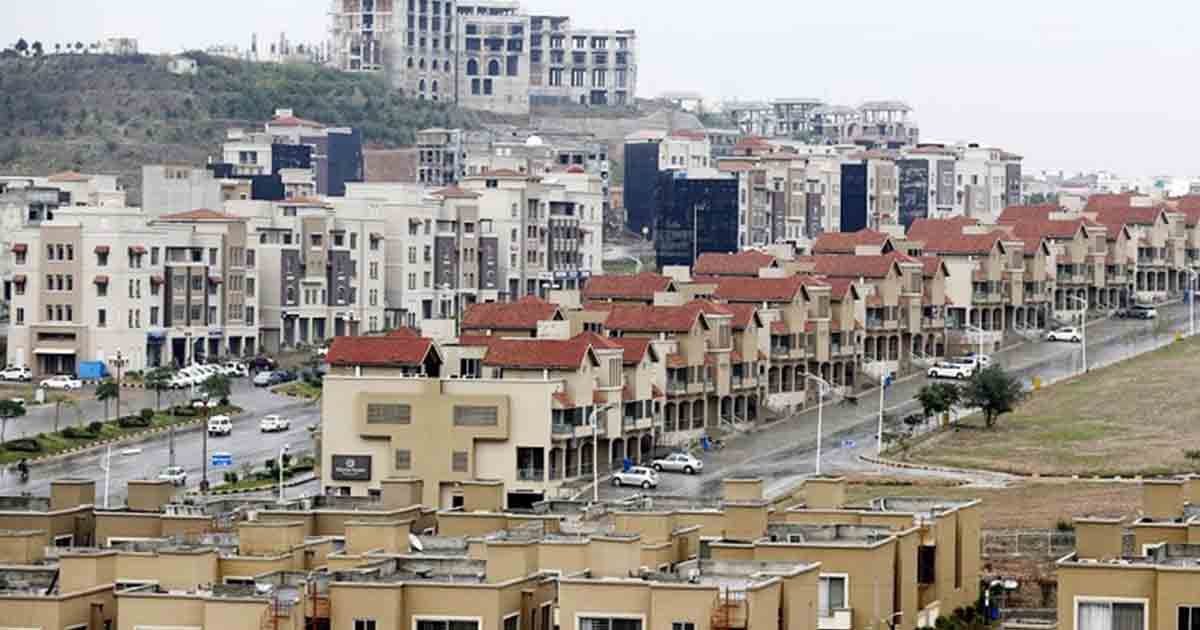
The least that justice demands is simple. The club occupies more than a hundred acres of government land in one of the most expensive parts of Lahore. A fair market rent for that land must be assessed and collected. The present rent of 5,000 rupees a year is not a rent. It is a joke at the expense of the taxpayer. Yet the question goes deeper than rent. If the people are the real owners of this land, why are its gates closed to them?
Consider one constituency. Among its 480,000 citizens, as far as its elected representative knows, there is not a single member of this club, and not one who could even imagine becoming one. Hardship is reserved for the ordinary citizen. Concessions are reserved for the elite. No system can survive on such terms for long.
The Gymkhana defends itself by pointing to its status as a non-profit organisation. But that status raises more questions than it answers. Where does the income from its restaurants, guest rooms and bakery go? What benefit does society draw from these facilities? What public interest is served when a wealthy member buys cheap bread and a non-member pays more for the same loaf? Being non-profit and serving the public are two different things. Both must be tested, and neither can be assumed.
If the promotion of sport is the justification for this generosity, the club must show its record. Which sports federations or associations has it signed agreements with? How many nationally ranked Pakistani athletes, who are not members, train at its facilities? Is sporting talent enough to open the gate, or must one first belong to the privileged circle? A sports ground that admits only the wealthy is not a public service. It is a private garden on public soil.
The full financial value of the annual concession on this land must also be made public. If it amounts to a billion rupees or more each year, the people have a right to ask what Lahore, its citizens and its sportsmen receive in return. A subsidy of this size on a public asset can only be justified by public benefit that can be measured, counted and verified. Anything less is a transfer of wealth from the many to the few.
These questions have now been placed on the record through the relevant departments. The committee must bring the facts before the public and play its part in ending a living injustice. Committees are often formed to calm public anger and then quietly forgotten. This one must not meet that fate.
The elite must come to its senses. The people are awake, and they are asking questions. Yet those who sit inside the walls of privilege have lost touch with the pulse of the nation. Elite privilege has become a burden this country can no longer carry. Every acre held at a token rent, every gate closed to the ordinary citizen, every concession granted without account deepens the anger of a people who are told to tighten their belts while others feast.
It is the duty of public representatives to speak for those whose voices never reach these exclusive halls. Reform begins with simple steps: charge a fair rent, publish the accounts, open the facilities to talent rather than status. Do this now, and the Gymkhana can serve Lahore. Refuse, and remember Iqbal’s old warning. Nature’s punishments are severe, and history does not forgive those who ignore them.
The best-selling books of Republic Policy Think Tank, including the landmark book The Bureaucratic Coup, are available at Vanguard Books, Liberty Books, Readings, Kitab Sarai, Sang-e-Meel, Saeed Book Bank Islamabad, National Book Foundation, and others across Pakistan. Contact for home delivery: +92 341 4222501.