


Muhammad Tauqir
The Growing Challenge of Brain Drain in Pakistan
Pakistan is blessed with talented, hardworking and ambitious people who have the potential to contribute to national development. From doctors and engineers to teachers, researchers, scientists and information technology professionals, Pakistan has produced individuals who have made their mark both nationally and internationally. However, an increasing number of educated and skilled Pakistanis are seeking opportunities abroad. This movement of educated and talented individuals from their home country to other countries in search of better opportunities is commonly known as brain drain.
The famous expression, “Brains, like hearts, go where they are appreciated,” captures the essence of this phenomenon. People naturally prefer environments where their abilities are recognised, their efforts are rewarded and their future appears secure. Therefore, brain drain should not be viewed simply as a desire to leave one’s homeland. It is also a reflection of the economic, political, educational and institutional conditions that shape people’s decisions.
For Pakistan, brain drain has become a serious development challenge. The country invests considerable resources in educating and training its people, but when these individuals move abroad permanently, much of their knowledge, experience and productive potential benefits other economies. The important question, therefore, is not merely why Pakistanis are leaving, but why Pakistan is struggling to retain its brightest minds.
One of the major reasons behind brain drain in Pakistan is the limited investment in research, innovation and development. Modern economies understand that research is essential for scientific progress, technological advancement and economic growth. Countries such as the United States, the United Kingdom, Germany and China provide research facilities, scholarships and financial support to attract talented individuals from across the world.
In contrast, Pakistani universities and research institutions often face financial limitations, inadequate laboratories and insufficient research opportunities. Many talented students are unable to pursue their academic interests because of a lack of funding and institutional support. Consequently, they seek fully funded scholarships and research opportunities abroad. Once they establish themselves in developed countries, many choose not to return because of better professional prospects and research facilities.
Economic inequality is another important factor contributing to brain drain. Pakistan faces a significant gap between different sections of society in terms of income, employment opportunities and access to quality education. Talented individuals from disadvantaged backgrounds often struggle to find opportunities that match their qualifications and abilities.
Moreover, unemployment, inflation and economic uncertainty make it difficult for educated young people to build a stable future. Even highly qualified individuals sometimes struggle to secure jobs according to their educational backgrounds. In such circumstances, foreign countries become attractive destinations because they offer comparatively better salaries, professional growth and financial security.
The State Bank of Pakistan’s economic assessments have repeatedly highlighted structural challenges facing the country’s economy. These challenges affect investment, employment generation and the overall business environment. When capable individuals feel that their talents are not being rewarded, they naturally look for alternatives abroad.
The private sector plays an important role in attracting skilled professionals. Multinational companies offer competitive salaries, professional training, career advancement and international exposure. These incentives encourage talented individuals to move to countries where such companies operate on a larger scale.
Pakistan has witnessed the departure of skilled professionals, including doctors, engineers, financial experts and IT specialists. Many of them join international organisations where their qualifications and experience receive greater recognition.
India provides an interesting example in this regard. Its large information technology workforce and overseas professional community have contributed significantly to its international economic presence. Indian professionals working in major technology companies have also helped establish international networks and business opportunities. Pakistan can learn from this experience by developing its technology sector, encouraging entrepreneurship and creating competitive employment opportunities at home.
Curious and innovative minds are naturally attracted to societies that provide opportunities for learning and technological advancement. Developed countries have established strong technological ecosystems where universities, industries and research institutions work together to develop new ideas.
Artificial intelligence, robotics, biotechnology, information technology and advanced engineering have created exciting opportunities for young professionals. Countries investing in these sectors attract individuals who want to participate in innovation and become part of the global technological transformation.
China’s technological and educational development also offers an important example. Through international cooperation, academic exchanges and initiatives associated with the Belt and Road Initiative, launched in 2013, China has expanded educational and professional connections with several countries, including Pakistan.
Although such exchange programmes can strengthen Pakistan’s human capital, the country must ensure that students and professionals returning from these opportunities have suitable environments to apply their knowledge.
Cultural exposure is another factor influencing the movement of talented individuals. People are attracted to societies that offer diversity, tolerance, freedom of expression and opportunities to interact with individuals from different backgrounds.
Many developed countries, particularly in Scandinavia, have established reputations for strong public institutions, social welfare systems and quality of life. Their educational environments encourage independent thinking, creativity and social participation.
For talented Pakistanis, exposure to such societies can be an attractive experience. They may find better opportunities to develop their personalities, explore new ideas and participate in international academic and professional networks. However, Pakistan must also recognise that cultural development does not necessarily require migration. It can create an inclusive environment at home by promoting tolerance, critical thinking and respect for diversity.
Security concerns and political instability also influence migration decisions. Individuals prefer to live in societies where their lives, property, professional careers and fundamental rights are protected.
Pakistan has experienced terrorism, political uncertainty, social unrest and institutional instability over the years. These challenges have affected public confidence and discouraged some individuals from investing their future in the country.
Similarly, economic uncertainty and frequent policy changes make it difficult for professionals to plan their long-term careers. Consequently, many educated Pakistanis consider migration a practical way to secure their future.
The movement of people from African countries towards Europe also demonstrates how insecurity, poverty, unemployment and limited opportunities can encourage migration. Although the circumstances differ across countries, the underlying lesson is that people are more likely to leave when they cannot find security and hope in their homeland.
Talented individuals are attracted to institutions that encourage intellectual development, independent research and problem-solving discussions. Universities such as Harvard and the Massachusetts Institute of Technology (MIT) in the United States have established international reputations because of their research culture, academic excellence and innovative learning environments.
Such institutions provide opportunities for students to interact with leading scholars, participate in research projects and develop solutions to complex global challenges.
Pakistan also has talented academics and capable universities, but many institutions need stronger research funding, modern facilities, academic freedom and international collaboration. The absence of these opportunities encourages ambitious students and researchers to pursue their academic careers abroad.
Some educated individuals are interested in lawmaking, public policy, governance and institutional development. They want to participate in building societies based on equality, justice, accountability and democratic values.
Countries with established democratic institutions and effective systems of governance attract individuals who wish to contribute to policymaking and public administration. The United Kingdom, for instance, offers an established parliamentary tradition and a long history of constitutional development.
For Pakistan, this factor carries particular importance. Weak governance, political polarisation, lack of accountability and inconsistent policies can discourage capable individuals from joining public institutions. When merit is not adequately recognised, talented people may prefer countries where professional competence and institutional performance are given greater importance.
The challenge of brain drain cannot be addressed merely by asking talented individuals to remain in Pakistan. Instead, the government must create conditions that make staying in the country an attractive and rewarding choice. The focus should shift from preventing migration through restrictions to retaining talent through opportunities, institutional reforms and economic development.
Pakistan must strengthen its education and research institutions. Greater investment in universities, laboratories, scientific research and innovation is essential. The Higher Education Commission should facilitate research grants, international academic partnerships and opportunities for young scholars. Special attention should be given to science, technology, engineering and mathematics (STEM) education.
The government must also ensure economic stability and merit-based employment. Consistent economic policies, a favourable business environment and employment opportunities can encourage skilled individuals to build their careers in Pakistan. Public and private institutions must adopt transparent recruitment and promotion systems so that professional competence receives recognition.
Pakistan should introduce attractive incentives for overseas professionals. Tax incentives, research grants, competitive salaries and opportunities for leadership positions can encourage qualified Pakistanis living abroad to return. Special programmes should connect overseas experts with Pakistani universities, industries and government institutions.
The country must strengthen democratic governance and institutional stability. Political continuity, the rule of law, accountability and protection of fundamental rights are necessary to restore public confidence. Talented individuals are more likely to contribute to national development when they believe that their efforts will produce meaningful results.
Pakistan should develop its technological and industrial sectors. Investment in information technology, artificial intelligence, renewable energy, agriculture and manufacturing can create high-skilled employment opportunities. Special economic zones and technology parks should be developed to encourage innovation and entrepreneurship.
The country should also promote cultural openness and intellectual freedom. Universities must encourage critical thinking, academic discussions, independent research and constructive criticism. An environment that respects different opinions and rewards creativity can attract ambitious minds and strengthen the intellectual foundation of society.
Finally, Pakistan must establish a strong connection with its overseas diaspora. Not every individual who migrates needs to return permanently to contribute to the country. Overseas professionals can share their expertise through academic partnerships, investment, mentorship, technology transfer and professional networks. This approach can transform brain drain into brain circulation, allowing Pakistan to benefit from the knowledge and experience of its citizens living abroad.
Brain drain is not simply a story of people leaving their homeland; it is a reflection of the opportunities, institutions and conditions that countries provide to their citizens. Pakistan cannot achieve sustainable development while failing to utilise the abilities of its educated and skilled population. Its talented individuals are not lacking in patriotism or commitment; rather, many are searching for an environment where their abilities can flourish and their contributions can be recognised.
The country must understand that human capital is its most valuable resource. Roads, buildings, industries and infrastructure are important for development, but it is educated and skilled people who plan, manage and sustain these achievements. Therefore, investment in human resources must become a national priority.
Pakistan should learn from countries that have successfully attracted international talent by providing economic security, research facilities, professional opportunities and strong institutions. It must also create an environment where young people can dream, innovate and achieve their ambitions without feeling compelled to leave their homeland.
Ultimately, the objective should not be to stop Pakistanis from exploring international opportunities but to make Pakistan an equally attractive place to live, work and contribute. When merit is rewarded, institutions are strengthened and opportunities are created, talented individuals will have stronger reasons to stay and overseas professionals may consider returning.
A country does not lose its brightest minds merely because they find opportunities elsewhere; it loses them when it fails to provide opportunities at home. Pakistan’s future depends on transforming this reality from brain drain into brain gain.
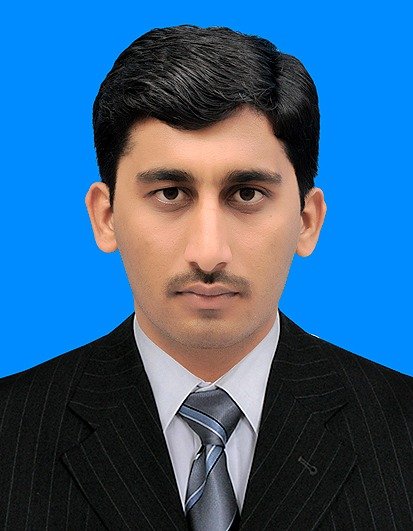
Muhammad Tauqir is a CSP officer.