
Muhammad Mohsin Iqbal
A nation’s military strength is measured not only by its manpower, weapons and capacity to defend territorial sovereignty, but also by the professionalism with which it fulfils its responsibilities. In an increasingly uncertain international environment, Pakistan’s armed forces occupy an important position, shaped by decades of operational experience, a demanding regional security environment and a longstanding contribution to United Nations peacekeeping. Their evolving role under Field Marshal Syed Asim Munir also reflects the growing importance of military diplomacy in regional affairs.
Pakistan possesses one of the world’s substantial conventional military establishments. The Global Firepower ranking for 2026 places it fourteenth among 145 countries, although such assessments offer broad comparisons rather than definitive measures of military effectiveness. Its principal strengths include considerable manpower, a sizeable land force, a capable air force and a nuclear deterrent designed to maintain strategic balance in South Asia. The Pakistan Navy, meanwhile, is strengthening its capabilities to safeguard maritime interests and important commercial routes in the Arabian Sea.
The development of the JF-17 Thunder through cooperation with China illustrates Pakistan’s determination to expand indigenous defence production. The induction of modern aircraft and improvements in missile technology, surveillance and naval capabilities demonstrate an effort to adapt to the changing character of warfare, where precision, intelligence and coordination across operational domains have become increasingly important.
However, military capability must be assessed against economic realities. Limited financial resources, dependence on foreign suppliers and technological gaps constrain the pace of modernisation. Pakistan cannot compete with the major military powers in defence expenditure, making indigenous research, technological self-reliance and efficient resource allocation essential. Its strategic strength will ultimately depend upon combining credible military preparedness with a sustainable economic foundation.
The professional character of the armed forces has been shaped by decades of conventional conflict and counter-terrorism operations. The wars with India in 1947–48, 1965 and 1971, together with the Kargil conflict of 1999, remain defining episodes in the country’s military history. Their outcomes were varied, but their lessons continue to influence strategic thinking. Subsequently, operations against militancy in the tribal districts, Swat and other parts of the country demanded considerable sacrifice, operational adaptation and institutional resilience.
The May 2025 confrontation with India demonstrated the complexities of modern warfare between nuclear-armed neighbours. The involvement of aircraft, missiles and drones illustrated how rapidly a regional crisis can escalate across multiple domains. The subsequent ceasefire, following diplomatic intervention and military-level communication, reinforced the importance of effective command structures, intelligence coordination and restraint in managing a confrontation with potentially far-reaching consequences. The episode also highlighted the continuing relevance of Kashmir and other unresolved disputes in South Asian security.
An equally significant dimension of Pakistan’s military contribution is its record in United Nations peacekeeping. Since its first deployment in the Congo in 1960, Pakistan has contributed more than 170,000 personnel to international missions across four continents. Its contingents have served in challenging environments, undertaking responsibilities that include civilian protection, humanitarian assistance, medical services and the restoration of public confidence. The sacrifice of Pakistani personnel who lost their lives while serving under the United Nations flag remains an important part of this history.
This experience has earned Pakistani contingents a professional reputation in international missions. Peacekeeping requires discipline, cultural sensitivity and the ability to operate in complex political environments. It also provides valuable institutional experience, strengthening the capacity of military personnel to work alongside international organisations and civilian authorities.
Under Field Marshal Syed Asim Munir, Pakistan’s military leadership has become increasingly visible in regional diplomatic engagement. His role following the May 2025 confrontation with India brought renewed attention to the relationship between military deterrence and political negotiation. His position that there is little room for war in a nuclearised environment reflects the strategic dangers confronting both countries. Nevertheless, durable stability in South Asia will require meaningful dialogue, particularly on Kashmir, rather than an indefinite dependence on military calculations.
Pakistan’s engagement with Iran and other regional powers has further expanded this diplomatic dimension. Munir’s visits to Tehran and coordination with Saudi and Turkish representatives in October 2026 have been associated with efforts to reduce tensions between Iran and the United States. The discussions have focused on preventing further escalation, encouraging negotiations and protecting the stability of a region vital to international energy supplies and commerce. Although the outcome remains uncertain, Pakistan’s relationships with different regional actors provide an opportunity to facilitate communication where direct engagement is difficult.
The wider Muslim world also requires greater coordination. Differences among Muslim-majority countries have frequently weakened their collective diplomatic influence. Pakistan’s relationships with Saudi Arabia, Türkiye, Iran, Egypt and other regional states offer opportunities to promote mutual understanding and address common security concerns. Defence cooperation can provide an institutional foundation for such engagement, provided it remains guided by mutual respect and the sovereignty of participating states.
The continuing tragedy in Palestine presents another test of international responsibility. Pakistan’s diplomatic position should remain centred on international law, protection of civilians, humanitarian assistance and the legitimate rights of the Palestinian people. Military and diplomatic influence acquire greater credibility when accompanied by a consistent commitment to these principles.
Pakistan’s armed forces face a demanding combination of responsibilities: protecting national sovereignty, countering internal security threats, modernising defence capabilities and contributing to international stability. These tasks require professional continuity, technological advancement and a clear understanding of the relationship between military preparedness and political objectives.
Ultimately, the standing of a military institution rests upon its discipline, competence and service to the state. Pakistan’s experience in conventional defence, counter-terrorism and international peacekeeping demonstrates the breadth of its responsibilities. The challenge ahead is to preserve these professional strengths while ensuring that military capability, economic development and diplomatic engagement reinforce one another. In a region where strategic miscalculations carry extraordinary costs, sound judgement may prove as consequential as military strength.
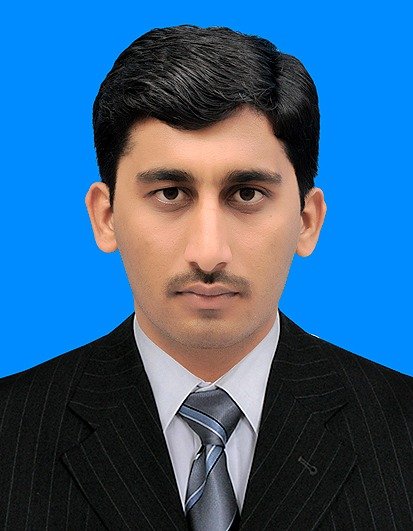
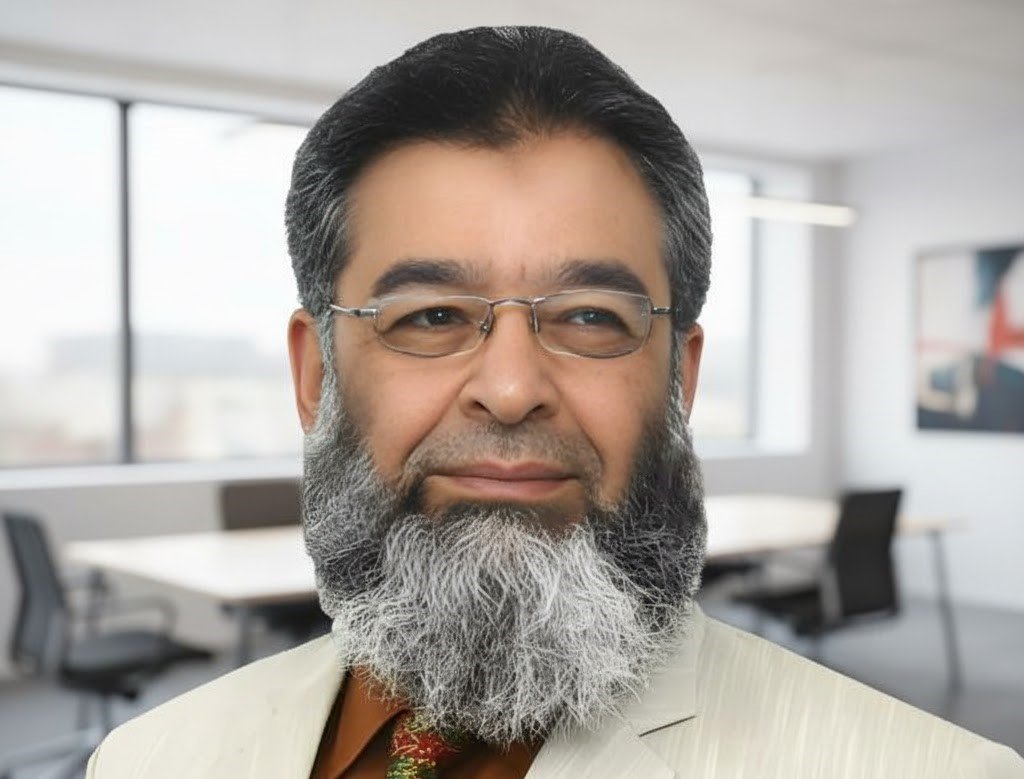
Muhammad Mohsin Iqbal is a seasoned parliamentary expert with over two decades of experience in legislative research and media affairs. Currently serving as Director General Research at the National Assembly of Pakistan, he leads policy support initiatives for lawmakers on complex national and international issues. A graduate of Government College University, Lahore, he has also worked as a journalist and continues to contribute as a freelance columnist to leading newspapers. His portfolio includes international fellowships and training in governance, communication, and policy development.