
Shah Faisal
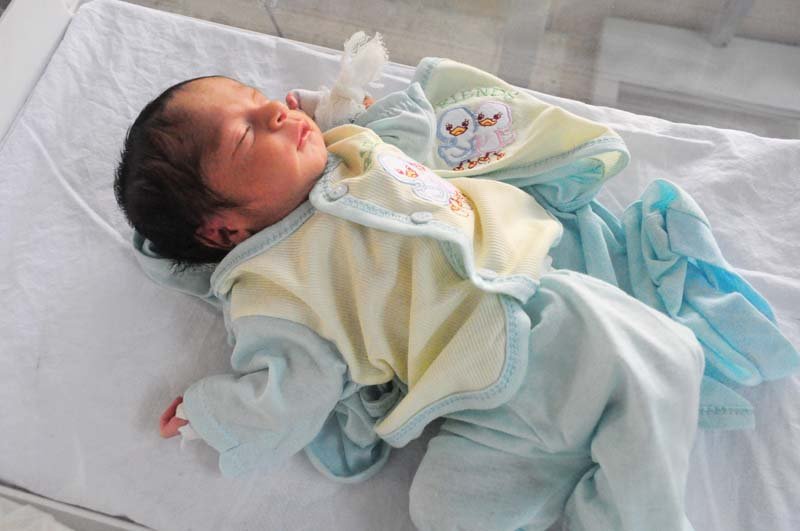
To enter this world without a welcome and to be cast aside, destined for a perilous and uncertain future, represents the most harrowing outcome for a nascent life. As reported in the esteemed pages of this publication just yesterday, the Edhi Foundation, since the year 2021 commenced, has laid to rest a staggering total of 576 newborns in the bustling city of Karachi — 200 unfortunate souls in the year 2021, witnessing a disheartening surge to 289 in 2022, and a minimum of 87 in the first half of the current year, 2023. These figures unveil a stark disparity between the officially recorded cases of infanticide and the actual number of infants interred by the foundation, prompting the Sindh Police to take decisive action by issuing formal instructions to register criminal cases in the event of discovering an abandoned deceased newborn.
A disheartening revelation recently brought to the forefront by Faisal Edhi has shed light on a distressing shift within the Edhi cradles at their centers, where, ironically, what was once intended to hold the promise of life now predominantly cradles the lifeless. It is a chilling twist of fate that, as the number of living children within these cradles dwindles amidst the alarming surge in cases of infant abandonment, the requests for adoption must, regretfully, be turned away. It becomes glaringly apparent that the perils associated with forsaking newborns should stir our society to embrace an unwaveringly compassionate approach, replacing the detrimental cycles of condemnation and judgment with empathy and understanding.
The heart-wrenching reality of newborns being forsaken and abandoned should serve as a call to action, compelling us to confront this pressing issue with urgency and humanity. It is imperative that we shift our focus from finger-pointing and castigation to a collective effort aimed at creating a safety net for these vulnerable lives. The plight of these innocent souls demands that we come together as a society to address the root causes that lead to such heartrending circumstances. It is high time we recognize that the future of our nation is intertwined with the fate of every newborn, and it is our moral responsibility to ensure their well-being and protection.
Education and awareness play a pivotal role in combating the distressing trend of infant abandonment. We must strive to educate communities about the availability of support systems, such as adoption agencies and social services, that can provide a lifeline for both the children and the struggling parents. By fostering a culture of empathy and understanding, we can break the cycle of despair and offer a glimmer of hope to those who find themselves in desperate situations.
Furthermore, it is essential to strengthen the legal framework and enforcement mechanisms to combat the crime of infant abandonment. Strict penalties and swift justice should be imposed on those who perpetrate such acts, sending a clear message that society will not tolerate the abandonment of innocent lives. Simultaneously, efforts must be made to provide resources and assistance to parents who find themselves in distress, offering them alternative solutions and support networks that can help them navigate the challenges they face.
In addition, collaboration between government bodies, non-profit organizations, and community leaders is vital to address the multifaceted dimensions of this issue. By pooling our resources, expertise, and influence, we can work towards creating a comprehensive support system that leaves no newborn behind. This calls for a collective effort where stakeholders from various sectors join hands, leaving no stone unturned in our quest to protect and nurture the most vulnerable members of our society.
Ultimately, the destiny of Pakistan’s future rests upon the treatment of its most vulnerable citizens, including the newborns who face the dire prospect of abandonment. It is incumbent upon each and every one of us to rise above indifference and take action, for their lives and well-being depend on it. Let us not turn a blind eye to this heartbreaking reality but instead channel our collective outrage into meaningful change. We must mobilize our communities, engage in dialogue, and advocate for policies that prioritize the protection and welfare of newborns. It is time to shift the narrative from one of despair to one of hope, where every child is given a chance at a loving home and a promising future.
Don’t forget to Subscribe our channel & Press Bell Icon.
In order to tackle this pressing issue, we need a multi-faceted approach that addresses both the immediate needs and the underlying causes of infant abandonment. This includes strengthening social support systems, improving access to reproductive healthcare and family planning services, and providing comprehensive education on parenting and child welfare. By investing in these areas, we can empower parents and caregivers with the knowledge and resources they need to make informed decisions and provide a nurturing environment for their children.
Furthermore, we must engage in proactive measures to ensure the timely identification and intervention of at-risk newborns. This requires the collaboration of healthcare professionals, community organizations, and law enforcement agencies to establish robust reporting mechanisms and facilitate swift responses to cases of abandonment. Early intervention can make all the difference, saving lives and offering a lifeline to those in need.
Alongside these efforts, we must prioritize the promotion of adoption as a viable and compassionate solution. This entails streamlining adoption processes, removing bureaucratic barriers, and providing support to prospective parents. Society as a whole must embrace a positive attitude towards adoption, dispelling stigmas and misconceptions, and recognizing the immense joy and fulfillment it brings to both children and families.
Let us also leverage the power of technology and social media to raise awareness and mobilize support. Digital platforms can serve as powerful tools for sharing stories, connecting individuals, and facilitating crowdfunding campaigns to support organizations working tirelessly to protect and care for abandoned newborns. Together, we can harness the collective strength of our online communities to bring about real change and ensure a brighter future for these innocent lives.
Lastly, we must never underestimate the role of empathy and compassion in addressing the issue of infant abandonment. It is not enough to simply provide material support; we must foster a society that values the inherent worth and dignity of every child. This starts with education, teaching our children the importance of empathy, respect, and kindness towards others. By instilling these values from a young age, we can create a culture where the abandonment of newborns becomes inconceivable.
Numerous factors impede women from retaining their infants, including the heinous act of rape where, instead of condemning the perpetrator, society stigmatizes both the mother and the child. Mental health professionals affirm that undiagnosed postpartum depression also frequently plays a role. In this day and age, the oppressive forces of poverty and unemployment drive parents to relinquish their baby girls. Government-backed campaigns that champion family planning, emphasize an infant’s right to life, and guarantee anonymity and legal protection for parents who choose welfare cribs can effectively sway mothers away from desperate measures like abandoning their newborns on garbage heaps, opting instead for the secure confines of Edhi’s cradles. Furthermore, hospitals and local clinics should take the initiative to install cradles in their delivery rooms and at their entrances, ensuring that babies are kept safe from harm. The state bears the responsibility of assisting its citizens in navigating societal taboos, offering streamlined adoption procedures for childless couples and single women alike. It must acknowledge that neither rape, poverty, nor illness should serve as grounds for disgrace, prioritizing the well-being and security of every child. After all, a loving home should be the ultimate destination for every baby.
Addressing the issue of infant abandonment requires a comprehensive approach that encompasses not only immediate solutions but also long-term preventive measures. In addition to providing safe havens for abandoned newborns, we must invest in educational programs that promote awareness of contraception and reproductive health. Empowering women with knowledge and access to family planning resources is crucial in preventing situations where mothers feel compelled to give up their infants due to challenging circumstances. By ensuring that every woman has control over her reproductive choices, we can make significant strides in reducing the occurrence of infant abandonment.
Furthermore, we cannot overlook the importance of providing comprehensive support systems for new mothers. Undiagnosed postpartum depression can contribute to feelings of helplessness and despair, pushing some women towards the tragic decision of abandoning their babies. Healthcare professionals, along with community organizations, should prioritize mental health screenings and support services for new mothers. By identifying and addressing postpartum depression early on, we can offer the necessary assistance and guidance to ensure the well-being of both mother and child.
To tackle the root causes of infant abandonment, we must also address the pervasive issue of poverty and unemployment. Economic instability often leaves parents feeling overwhelmed and unable to provide for their children. Therefore, it is crucial for the government to implement robust social welfare programs that offer financial aid, job training, and employment opportunities to struggling families. By addressing the underlying socioeconomic factors, we can create an environment where parents feel empowered and capable of providing a nurturing home for their children.
In addition to supporting struggling families, we must also foster a culture of compassion and acceptance towards single mothers. Society should refrain from judgment and instead offer them the necessary support and resources to raise their children. Single mothers should not be marginalized or ostracized but rather embraced and empowered to provide a loving and nurturing environment for their babies.
Lastly, it is essential to recognize the role that the community and individuals can play in preventing infant abandonment. Neighbors, friends, and family members should be vigilant and offer assistance to parents who may be struggling. By fostering a sense of community and collective responsibility, we can create a network of support that helps families overcome challenges and provide a loving home for their children.
In conclusion, the issue of infant abandonment demands our urgent attention and a multifaceted approach. We must address the societal, economic, and mental health factors that contribute to this heartbreaking phenomenon. By promoting awareness, providing support systems, and advocating for policy changes, we can create a society where every child is valued and protected. Let us strive to build a future where no baby is left abandoned and where every child has the opportunity to thrive in a loving and nurturing environment. It is a collective responsibility, not just of the government or charitable organizations, but of each and every individual, to stand up against the abandonment of newborns. We must reject the notion that these innocent lives are disposable and instead embrace a culture of compassion and empathy. Together, we can ensure that no child is born into a world where they are unwanted or abandoned, and instead offer them a chance at a bright and promising future. Let us be the voice for those who cannot speak for themselves, and let our actions speak volumes in protecting and cherishing the most vulnerable among us. It is time to rewrite the narrative, to replace despair with hope, and to create a society where every child is welcomed with open arms and endless possibilities.
Subscribe our website for latest updates:
https://republicpolicy.com/shop/
Read More