
Heer Umer Sheikh
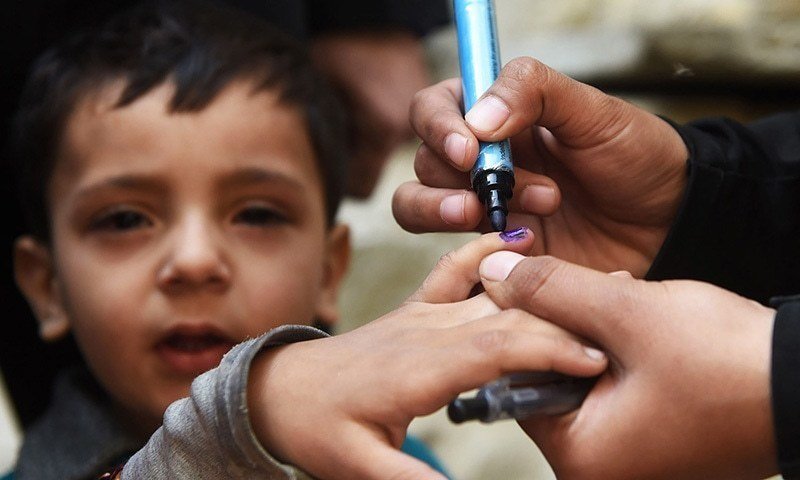
Khyber Pakhtunkhwa (K-P) has made remarkable strides in the battle against polio, witnessing a significant decline in the number of families who refuse to administer crucial anti-polio drops to their children during the recent vaccination campaign. The latest report by the Emergency Operations Centre (EOC) reveals an impressive 35% decrease in refusals throughout the month of June. This positive trend underscores the success of ongoing efforts in high-risk areas, but it also underscores the need to maintain momentum and further enhance vaccination campaigns while combating disinformation surrounding the vaccine.
K-P, traditionally perceived as a polio hotspot, has showcased an unwavering commitment to surmounting the obstacles to vaccination. In 2022, all 20 documented polio cases in the country originated from K-P. The collective and determined endeavors of health authorities have played a pivotal role in dispelling myths and addressing baseless fears associated with the vaccine. Notably, the EOC emphasizes that the anti-polio campaign has garnered strong support from the ulema, who have been instrumental in promoting vaccinations and countering propaganda.
To sustain this positive trajectory, it is imperative to bolster vaccination campaigns, leveraging innovative strategies and reaching out to communities effectively. This involves amplifying awareness initiatives, utilizing social media platforms to disseminate accurate information, and engaging with local leaders to foster trust and address concerns. Additionally, it is essential to prioritize ongoing training programs for healthcare workers, ensuring they possess the necessary skills and knowledge to administer vaccines confidently and address any queries or misconceptions raised by parents and guardians.
Furthermore, collaborative efforts with community organizations, NGOs, and volunteers should be intensified. Mobilizing grassroots support and involving community members in the promotion of vaccination can significantly contribute to dispelling misinformation and building confidence in the safety and effectiveness of the vaccine. This approach, coupled with targeted outreach campaigns in high-risk areas, will help reach the most vulnerable populations and ensure that no child is left unprotected.
It is crucial to remain vigilant and proactive in monitoring the vaccination coverage and response in K-P. By closely tracking progress, identifying areas of improvement, and promptly addressing any challenges or setbacks, health authorities can maintain the momentum in the fight against polio. Additionally, continued collaboration with international partners, sharing best practices, and learning from successful strategies implemented in other regions can further enhance the effectiveness of K-P’s polio eradication efforts.
The commendable achievements in reducing vaccine refusals in K-P serve as a testament to the dedication and resilience of the health authorities and the unwavering commitment of the community. As the battle against polio continues, it is essential to build upon these successes, adopting a comprehensive and multifaceted approach that encompasses education, community engagement, and targeted interventions. By doing so, K-P can move closer to the ultimate goal of a polio-free Pakistan, safeguarding the health and well-being of future generations.
In our ongoing fight against polio, significant strides have been made, but we must not rest on our laurels. To achieve the ultimate goal of complete eradication, we need to redouble our efforts and take decisive actions. This means intensifying our vaccination campaigns, especially in areas considered high-risk, by implementing innovative strategies and actively engaging with the community. In a recent development, K-P has introduced a unique approach by linking civic services to polio vaccination certificates, a creative way to incentivize immunization at a collective level.
Addressing the issue of misinformation surrounding the polio vaccine is equally crucial. We must proactively combat the spread of false information by forging connections with communities, religious leaders, and influencers. By fostering dialogue and disseminating accurate information, we can bridge the knowledge gaps and foster trust in the importance of polio vaccination. It is through collective understanding that we can overcome skepticism and ensure widespread acceptance of this life-saving intervention.
The encouraging decline in the number of families refusing polio drops in K-P is a clear indication of a positive shift in attitudes towards immunization. This progress is a testament to the unwavering determination of health authorities and the tireless efforts of frontline workers. However, we must guard against complacency and continue to allocate resources to sustain and expand these achievements. By maintaining a steadfast focus on vaccination campaigns, targeted community engagement, and countering disinformation, we can move closer to our shared goal of eradicating polio from our nation, thus securing a healthier and brighter future for our children.
Subscribe our website for latest updates:
https://republicpolicy.com/shop/
Read More