
Shahzain Usman
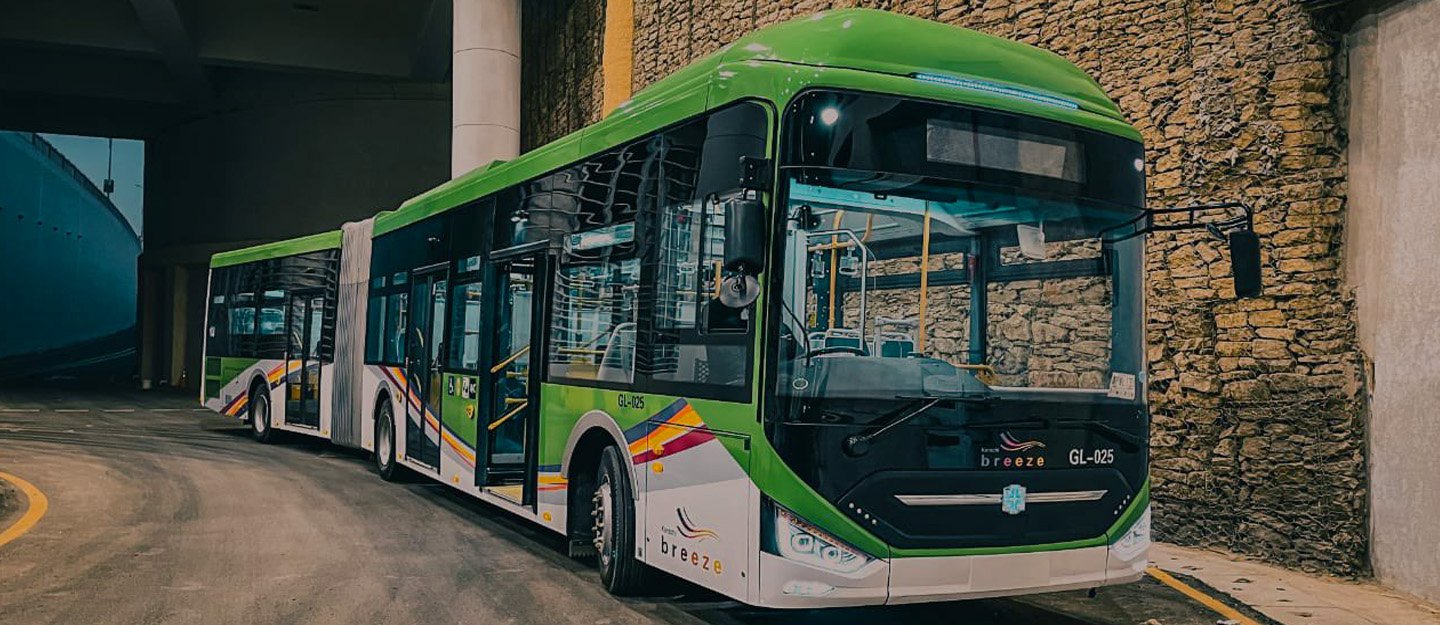
In a groundbreaking move earlier this week, the government of Quetta launched its first-ever inter-city bus service, heralding a new era of decent and affordable transportation for the people. This milestone marks the beginning of what is hoped to be a transformative public-private partnership model, paving the way for further route expansion and improved accessibility.
Reports indicate that the initial fleet comprises eight eco-friendly buses, forming the Green Bus Service, operating under a public-private partnership (PPP) mode. As the program progresses, the number of buses is expected to increase to 20, extending their coverage to more areas within the provincial capital. The fare has been set at an impressive Rs 30 for one side, significantly undercutting the private transport option, which typically charges Rs 50. Additionally, it’s commendable to note that these air-conditioned buses will include designated seats for both disabled individuals and women.
Before this initiative, private transporters relied on dilapidated buses running on various rental routes. As expected, the introduction of the Green Bus Service has met some resistance from the existing monopoly holders. However, the government’s prudent approach involves incorporating them as stakeholders in this venture. Reports indicate that the authorities are planning to replace the old buses by providing new ones to private transporters. In essence, there is no need for competition between the private and public sectors, as there is ample room for both to coexist and collaborate towards creating an expanded and efficient transportation ecosystem in the region.
The launch of the Green Bus Service is a promising step towards alleviating transportation challenges faced by the people of Quetta. By offering a more affordable alternative, it seeks to bring relief to commuters while promoting eco-friendly transportation. The move also displays a thoughtful commitment to inclusivity, as the provision of designated seats for disabled individuals and women ensures accessibility for all.
Furthermore, the government’s foresight in embracing a public-private partnership model is commendable. By partnering with private transporters, who have been long-standing players in the industry, the initiative stands to benefit from their expertise and experience while fostering an environment of cooperation and progress. This symbiotic relationship between the public and private sectors holds the potential to drive substantial growth in the transportation sector, ultimately benefiting the people of Quetta.
The decision to expand the fleet of eco-friendly buses to 20 represents a forward-looking approach to address the transportation needs of a growing population. As Quetta continues to evolve and urbanize, such progressive initiatives are essential for ensuring efficient and sustainable mobility solutions. The embrace of environmentally friendly buses further showcases the government’s commitment to adopting eco-conscious practices and reducing the region’s carbon footprint.
While facing initial resistance from monopoly holders was anticipated, it is heartening to witness the government’s approach to bringing all stakeholders on board. The spirit of collaboration and inclusivity will be pivotal in overcoming challenges and building a resilient and dynamic transportation network.

Click here to read the July issue of Republic Policy Magazine.
The successful implementation of the Green Bus Service in Quetta has the potential to serve as a model for other regions in the country facing similar transportation issues. As the service expands and gains momentum, it will inspire other cities and provinces to consider similar approaches to tackle their unique transportation challenges.
In conclusion, the launch of the Green Bus Service in Quetta is a momentous occasion, offering a glimmer of hope for a more efficient, affordable, and environmentally friendly transportation system. By embracing a public-private partnership model and promoting inclusivity, the government has taken a significant step towards improving the lives of its citizens. As this initiative continues to flourish, it sets a precedent for future developments in the transportation sector, not only in Quetta but also across Pakistan. With collaboration, innovation, and a focus on sustainability, the path to a better-connected and thriving nation lies ahead.
Subscribe our website for latest updates:
https://republicpolicy.com/shop/
Read More