
Seventy years after a CIA-engineered coup ousted Iran’s prime minister, the enduring legacy continues to be a matter of contention and complexity for the Islamic Republic, particularly amid heightened tensions with the United States.
The overthrow of Prime Minister Mohammad Mossadegh, orchestrated by the CIA, took place in a climate of American apprehension regarding a potential shift toward the Soviet Union and the prospect of losing access to Iranian oil reserves. Intriguingly, the coup was seemingly supported at the time by Iran’s leading Shiite clergy.
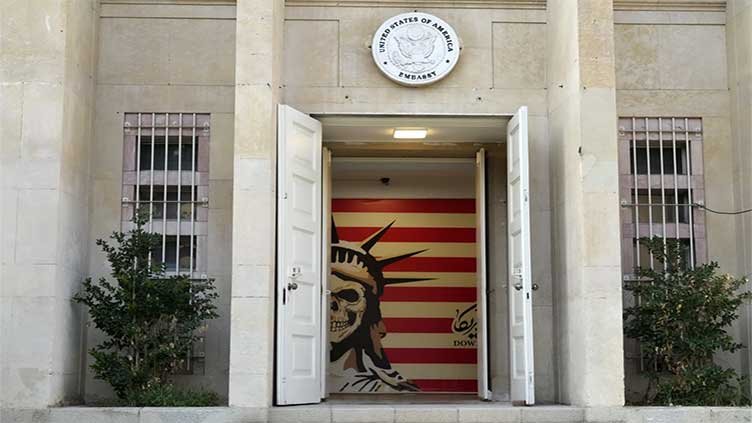
However, in contemporary Iran, the coup is consistently portrayed on hard-line state television as evidence of America’s unreliability. This narrative underscores the notion that the U.S. cannot be trusted. Such internal conflicts mirror the complexities of Iranian society, where “Death to America” chants still echo during Friday prayers in Tehran, while many citizens express a desire for improved relations with the United States.
As the collective memory of the coup gradually fades, particularly among those born after the events, the control over the narrative surrounding it becomes increasingly significant for both the Iranian government and its populace.
Rana, a 24-year-old painter who, like others interviewed by The Associated Press, preferred to provide only her first name for fear of potential repercussions, shared her perspective, saying, “Perhaps the U.S. orchestrated this due to concerns about the rising influence of the Soviet Union, but it was akin to wishing for an earthquake to rid oneself of a troublesome neighbor.” For Iranians, “the bitterness has endured through the years.”