
By Dr Tahir
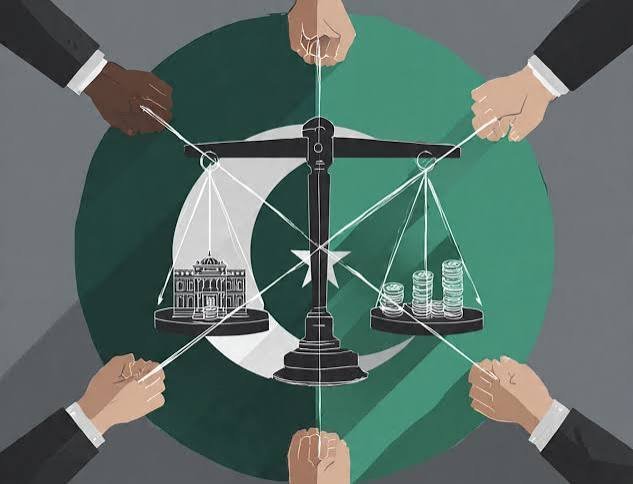
The recent turmoil in the stock market is yet another stark reminder of the deep-seated issues plaguing our economy. These problems are not merely persisting but escalating at an alarming pace, painting a gloomy picture of our financial landscape. As the nation grapples with political instability, it is hurtling towards what seems like an impending economic catastrophe.
The stock market, a barometer of economic health, has been reeling from substantial losses in the past few days. Market analysts estimate that the KSE-100 Index has plummeted by nearly 1,250 points. This downward spiral can be attributed to growing concerns about a potential interest rate hike. These concerns have arisen due to shifting expectations regarding inflation, fueled by the depreciation of the rupee and surging power rates.
The already fragile investor sentiment received another blow when the caretaker finance minister delivered a sobering message about the grim fiscal reality. She cautioned that electricity and fuel prices could witness further increases, and boldly declared that the government’s fiscal capacity for subsidies was severely constrained.
During her appearance before a Senate panel on Wednesday, she candidly admitted that adhering to the terms of the IMF program was a necessity. This raises the question: Could the recent turmoil in the stock market have been averted if she had not articulated this harsh truth? However, experts closely monitoring the country’s economic state remain skeptical.
This unfolding financial crisis underscores a critical issue: the economy is teetering on the precipice of disaster, and its downward spiral appears relentless. The once-robust economic fundamentals have been undermined by a confluence of factors, including political instability, rising inflation, and a depreciating currency. It is imperative to delve deeper into these issues to understand their interconnectedness and the potential solutions that may exist.
The roots of this crisis can be traced to the ongoing political uncertainty in the country. Frequent changes in leadership and policy direction have created an environment of unpredictability. Investors, both domestic and international, thrive in stability and consistency. When these elements are missing, it breeds skepticism and deters investment.
Inflation, another major culprit, has been steadily eroding the purchasing power of citizens. The cost of living is rising, and people are feeling the pinch. This not only affects the quality of life but also constrains consumer spending, which is a significant driver of economic growth.
The depreciation of the rupee has been a persistent concern. A weaker currency makes imports more expensive, contributing to inflationary pressures. Additionally, it can lead to a loss of investor confidence, further exacerbating economic woes.
Don’t forget to Subscribe our channel & Press Bell Icon.
The power sector’s troubles, marked by surging rates, have contributed to the economic quagmire. High energy costs are detrimental to businesses, especially the manufacturing sector, which relies heavily on consistent and affordable power supply. The sector’s woes have a cascading effect on unemployment and economic output.
Now, the burning question is whether there is a way out of this economic quagmire. Can the nation steer away from the looming financial disaster and regain its economic stability?
Addressing the current economic crisis requires a multi-pronged approach. First and foremost, political stability and a clear, consistent economic policy are imperative. The frequent changes in government and policy direction have eroded trust in the country’s economic prospects. Restoring this trust is a prerequisite for attracting investment and rebuilding the economy.
Inflation management should be another top priority. This involves a combination of fiscal and monetary policies aimed at curbing inflationary pressures. Additionally, measures to support low-income segments of the population should be implemented to alleviate the burden of rising prices.
Stabilizing the currency is essential. The central bank should take measures to shore up the rupee’s value and restore investor confidence. This might involve intervening in the foreign exchange market and implementing sound monetary policies.
The power sector also demands immediate attention. Addressing its inefficiencies, reducing line losses, and ensuring affordable energy rates are essential for economic recovery. Furthermore, investment in alternative energy sources can reduce dependence on expensive imported fuels.
Lastly, a transparent and accountable approach to handling economic challenges is essential. Open communication with the public, backed by credible data and policies, can help manage expectations and build trust.

Check out our monthly English and Urdu magazines on Homepage
In a familiar refrain, the exchange rate is once again slipping into troubled waters, casting a shadow over the nation’s economic landscape. A fleeting moment of respite followed the approval of a $3 billion short-term bailout loan from the IMF, but the rupee is now facing renewed pressure. This currency turmoil can be attributed to multiple factors, including the soaring import bill, the global ascent of the dollar, and the relentless pursuit of the open market rate by the interbank market, all in an effort to maintain a gap below 1.25 percent. This gap is a crucial IMF benchmark that must be met.
Remarkably, the rupee has experienced a devaluation of nearly 26 percent since the dawn of 2023. The pertinent question arises: could this turbulence in the foreign exchange arena have been forestalled had the IMF not imposed its condition to narrow the gap between the interbank and open markets? The answer is far from straightforward. Allowing the gap between these two markets to expand to unsustainable levels could have introduced a host of other economic challenges.
The watchful eyes of investors are fixed on the country’s precarious balance-of-payments situation. The next IMF review is several months away, and there is a conspicuous lack of clarity regarding planned investments from Gulf nations. Consequently, foreign capital inflows are expected to remain muted for the foreseeable future. This, in turn, will exert sustained pressure on the rupee.
The central question that looms large is whether the current caretaker government possesses the means and authority to arrest the economic decline. The prognosis is rather bleak. The gravity of the economic predicament necessitates tough decisions, decisions that a temporary administrative setup is ill-equipped to make.
Inevitably, the rupee is poised to continue its downward trajectory, inflation will persist at elevated levels, and the stock market will grapple with mounting losses. This grim trajectory appears inextricably linked to the prevailing uncertainty surrounding the upcoming elections. Until a stable, newly elected government assumes power with the mandate to make the hard choices, the nation finds itself on an inexorable path towards a more profound economic catastrophe.
In conclusion, Pakistan’s economic woes continue to escalate, with the rupee’s decline, inflationary pressures, and stock market turmoil painting a grim picture. The influence of IMF conditions and the looming election uncertainty further exacerbate the crisis. While caretakers grapple with limited powers, the need for decisive action remains critical. To avert a full-blown economic disaster, Pakistan urgently requires a stable elected government with the mandate to make tough decisions. It’s imperative that political leaders prioritize economic stability and undertake comprehensive reforms. Only then can the nation hope for a brighter economic future.
Subscribe our website for latest updates:
https://republicpolicy.com/shop/
Read More