
Dr Shafqat Zaidi
What is Poverty?
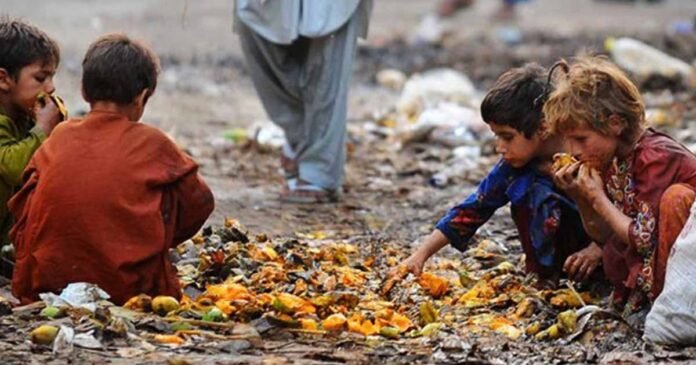
Poverty is a multifaceted and complex social phenomenon characterized by a lack of access to essential resources and opportunities required for a decent standard of living. It encompasses various dimensions, including economic, social, and political deprivation. People living in poverty often struggle to meet their basic needs, such as food, clean water, shelter, education, healthcare, and employment opportunities. Poverty can manifest in both developed and developing countries, affecting individuals, families, and communities.
Causes of Poverty:
- Economic Inequality: One of the primary causes of poverty is economic inequality. When a significant portion of a nation’s wealth is concentrated in the hands of a few individuals or groups, it limits the economic opportunities available to the rest of the population.
- Unemployment and Underemployment: Lack of job opportunities or the presence of underpaid and insecure employment can lead to poverty. Insufficient income, irregular work, and joblessness can trap individuals and families in poverty cycles.
- Lack of Access to Education: Limited access to quality education can perpetuate poverty. Without adequate education and skills development, individuals have fewer opportunities for stable and well-paying jobs.
- Healthcare Inequities: Poor health, high medical expenses, and inadequate access to healthcare services can push people into poverty. Medical emergencies and illness can drain resources and lead to financial instability.
- Social Discrimination: Discrimination based on factors such as race, gender, ethnicity, or religion can result in social exclusion and hinder access to economic opportunities and resources.
- Inadequate Infrastructure: Lack of basic infrastructure, such as clean water, sanitation, transportation, and electricity, can impede economic growth and development, particularly in rural areas.
- Political Instability and Corruption: Political instability, corruption, and ineffective governance can hinder economic growth and result in misallocation of resources, exacerbating poverty.
- Environmental Factors: Environmental issues, such as natural disasters and climate change, can devastate communities and lead to displacement, loss of livelihoods, and increased poverty.
- Conflict and Violence: Ongoing conflicts and violence in regions or countries can displace populations, disrupt economies, and exacerbate poverty.
Comparative Analysis of Poverty in Pakistan among Different Groups:
In Pakistan, poverty varies significantly among different groups, regions, and demographics. Rural areas tend to have higher poverty rates than urban areas, and poverty disproportionately affects certain groups, including:
- Rural vs. Urban: Rural areas often have higher poverty rates due to limited access to education, healthcare, and job opportunities. Urban areas offer more economic prospects.
- Provinces: Poverty rates differ among Pakistan’s provinces, with Baluchistan and Khyber Pakhtunkhwa typically experiencing higher poverty rates than Punjab and Sindh.
- Gender: Gender disparities in education and employment contribute to higher poverty rates among women. Female-headed households are particularly vulnerable to poverty.
- Minority Groups: Ethnic and religious minority groups may face discrimination and limited access to resources, resulting in higher poverty rates.
Addressing poverty comprehensively requires a coordinated effort involving government agencies, civil society organizations, and international partners. It necessitates a long-term commitment to creating an inclusive and equitable society where all individuals have the opportunity to improve their living standards and escape the cycle of poverty.
The persistence of poverty in the world is a pressing concern that demands our attention. This investigation delves into the multifaceted dimensions of poverty, exploring its underlying causes, the interconnectedness of our global well-being, and the potential for meaningful change. While the roots of poverty are varied, encompassing factors like unemployment, social exclusion, and vulnerability to disasters and diseases, the consequences reverberate throughout society, affecting economic growth, social cohesion, and political stability. The prospect of ending extreme poverty globally within two decades is not beyond reach, as economist Jeffrey Sachs has calculated. However, achieving this ambitious goal necessitates collective action and engagement at various levels, from the individual to the policymaker to the private sector. In this report, we critically examine the intricacies of poverty and offer recommendations for a more equitable world.
The Interconnectedness of Well-being:
“Why should I care about other people’s economic situation?” This question underscores a pervasive misconception that the economic conditions of individuals are isolated from one another. In reality, as human beings, our well-being is intricately linked. Growing income inequality, as illustrated by the idiom “drive a wedge between,” poses a grave threat to economic growth and social harmony. It breeds political and social tensions and can even spark instability and conflicts.
Poverty is not a distant issue that affects only a select few; it touches us all in some way. The idiom “ripple effect” aptly captures the idea that poverty’s consequences extend far beyond the individuals directly affected. Poverty erodes social cohesion, weakens the social fabric, and impedes progress for society as a whole. Therefore, it is incumbent upon all of us to work towards a world where poverty is eradicated, fostering an environment of inclusivity, equity, and shared prosperity.
Can We Achieve This Goal?
The daunting task of ending extreme poverty globally may seem insurmountable, but it is, in fact, feasible. Economist Jeffrey Sachs has provided a compelling perspective on the cost of this endeavor. He calculates that to end extreme poverty worldwide within two decades, an annual investment of approximately $175 billion is required. Remarkably, this represents less than one percent of the combined income of the world’s wealthiest nations. The idiom “drop in the bucket” fittingly characterizes the relatively modest financial commitment required to achieve this monumental goal.
While the financial aspect is essential, it is equally crucial to recognize that success hinges on coordinated efforts, innovative strategies, and unwavering commitment. Poverty eradication demands a holistic approach that goes beyond monetary contributions, encompassing political will, policy reform, and societal engagement.
Taking Action:
The question of “What can I do about it?” is a valid one, and the answer lies in our collective action. Individuals, policymakers, and the private sector all have distinctive roles to play in the fight against poverty.
For Young People:
Young people possess a unique power to effect change. Active engagement in policymaking, illustrated by the idiom “take the bull by the horns,” can make a significant difference in addressing poverty. This involvement ensures that their voices are heard, promoting their rights and encouraging innovation and critical thinking. The exchange of intergenerational knowledge, symbolized by the phrase “pass the torch,” can catalyze transformative change in communities worldwide.
For Policymakers:
Governments have a pivotal role in creating an enabling environment for poverty reduction. Policymakers can facilitate the generation of productive employment and job opportunities for marginalized populations. This can be achieved through the formulation of strategies and fiscal policies that stimulate pro-poor growth, thereby reducing poverty. Policymakers also bear the responsibility of upholding social justice, exemplified by the idiom “level the playing field,” to ensure equitable access to resources and opportunities.
For the Private Sector:
The private sector, as a key driver of economic growth, holds immense potential to contribute to poverty reduction. It must recognize its responsibility to ensure that the economic growth it generates is inclusive. The idiom “walk the talk” underscores the importance of the private sector not merely professing commitment to social responsibility but actively implementing practices that promote economic opportunities for all. Through inclusive hiring practices, responsible supply chain management, and support for community development initiatives, the private sector can become a catalyst for positive change.
The consequences of extreme poverty are far-reaching and have a profound impact on individuals, communities, and nations alike. It perpetuates a cycle of suffering, hampering individuals’ potential and stifling economic growth in affected regions. Beyond the immediate hardships, the long-term consequences are particularly concerning. Children growing up in impoverished conditions often find themselves caught in a web of limited access to quality education, symbolized by the phrase “caught in the crossfire.” This educational disadvantage hinders their ability to break free from the cycle of poverty and fully participate in their societies.
The United Nations (UN) plays a significant role in addressing and combatting poverty on a global scale. Its mission is centered around promoting peace, security, development, and human rights, all of which are interconnected with poverty reduction. Here are the key roles and functions of the United Nations in poverty alleviation:
- Setting Global Goals: The UN has established a set of ambitious global goals, known as the Sustainable Development Goals (SDGs). Goal 1 is to “end poverty in all its forms everywhere” by 2030. This goal serves as a guiding framework for UN efforts to combat poverty worldwide.
- Advocacy and Awareness: The UN raises awareness about poverty-related issues through campaigns, reports, and advocacy efforts. It highlights the consequences of poverty and the importance of poverty reduction in achieving a more equitable and sustainable world.
- Global Partnerships: The UN fosters collaboration among member states, international organizations, civil society, and the private sector to address poverty comprehensively. Partnerships and alliances are critical in mobilizing resources and expertise for poverty reduction.
- Humanitarian Assistance: The UN provides humanitarian aid to alleviate the suffering of people affected by crises, such as conflicts, natural disasters, and health emergencies. This assistance includes food, shelter, healthcare, and support for vulnerable populations.
- Economic Development: The UN supports economic development initiatives in developing countries, focusing on sustainable and inclusive growth. It helps nations build infrastructure, create jobs, and stimulate economic activities to reduce poverty.
- Health and Education: Access to quality healthcare and education is crucial for poverty reduction. The UN works to improve healthcare systems, combat diseases, and promote universal education, ensuring that vulnerable populations have access to essential services.
- Peacekeeping: Peace and security are fundamental prerequisites for poverty reduction. UN peacekeeping missions aim to resolve conflicts, maintain stability, and create conditions for development in conflict-affected areas.
- Advancing Gender Equality: The UN promotes gender equality as a means to reduce poverty. It advocates for women’s empowerment, access to education and healthcare, and protection from gender-based discrimination and violence.
- Research and Data: The UN conducts research and collects data on poverty trends and its underlying causes. This data informs policy decisions and helps countries tailor their poverty reduction strategies.
- Capacity Building: The UN supports capacity building in developing countries by providing technical assistance and training to governments and institutions. This strengthens their ability to design and implement effective poverty reduction programs.
- Environmental Sustainability: Addressing environmental issues, including climate change and natural resource management, is integral to poverty reduction. The UN promotes sustainable practices to protect the environment and ensure the well-being of impoverished communities.
- Human Rights: The UN emphasizes the protection of human rights as a means to combat poverty. It advocates for the rights of marginalized and vulnerable populations and works to eradicate discrimination and inequality.
- Conflict Prevention: The UN engages in conflict prevention efforts to reduce the likelihood of conflicts that can exacerbate poverty. Diplomatic initiatives and peacebuilding strategies are employed to maintain stability.
In developed countries, where extreme poverty may not be as prevalent but still exists, the idiom “fall through the cracks” is apt. It illustrates how certain vulnerable populations, such as marginalized communities or individuals facing sudden economic downturns, may not receive the support they need to escape poverty. This issue is exacerbated by systemic inequalities, which must be addressed through comprehensive policies and initiatives that strive to “level the playing field.”
Turning our attention to disaster economics, the staggering economic toll of natural disasters cannot be underestimated, as illustrated by the idiom “add up.” In 2017 alone, losses from natural disasters exceeded a staggering $300 billion, placing a heavy burden on both developed and developing countries. Several factors contribute to this growing problem, including climate change, rapid urbanization, and inadequate disaster preparedness.
Addressing the economic impact of natural disasters requires policymakers to “think outside the box” and develop innovative strategies for disaster risk reduction and response. It’s not merely a matter of allocating resources but rather of using them wisely and creatively. One promising avenue is to “ramp up” investments in disaster-resilient infrastructure. Such investments not only reduce the immediate damage caused by disasters but also pay long-term dividends by safeguarding economic stability.
Additionally, it is crucial to “come up with” insurance mechanisms tailored to the specific needs of vulnerable populations, regardless of whether they reside in developed or developing countries. These mechanisms serve as a safety net during disasters, helping individuals and communities recover more quickly and reducing the long-term economic impact.
Conclusion:
In conclusion, poverty is a complex web with deep-seated causes, profound consequences, and far-reaching implications for society as a whole. It is incumbent upon all of us, as responsible global citizens, to recognize our interconnectedness and actively work towards a world free from extreme poverty. The United Nations is a central actor in the global fight against poverty. Its multifaceted approach encompasses advocacy, partnerships, humanitarian aid, economic development, health and education, peacekeeping, gender equality, research, capacity building, and environmental sustainability. Through its concerted efforts and cooperation with member states and stakeholders, the UN strives to create a world where poverty is eradicated, and all people can enjoy a life of dignity and opportunity.
Recommendations:
How to Remove Causes of Poverty:
To effectively combat poverty in Pakistan and elsewhere, a comprehensive approach is required, addressing legislative, administrative, financial, and other factors. Here are detailed recommendations:
Legislative Measures:
- Anti-Discrimination Laws: Strengthen and enforce laws against discrimination based on gender, ethnicity, and religion to promote equal opportunities.
- Labor Laws: Enforce and expand labor laws to ensure fair wages, safe working conditions, and job security.
- Land Reforms: Implement land reforms to redistribute land to landless and marginalized communities, promoting equitable access to resources.
Administrative Reforms:
- Education Reform: Invest in education infrastructure, improve the quality of education, and implement policies to ensure equal access to education for all, especially girls and rural populations.
- Healthcare Access: Expand healthcare services and establish health insurance programs to make healthcare more affordable and accessible.
- Corruption Control: Implement anti-corruption measures, enhance transparency, and strengthen institutions to combat corruption and mismanagement of resources.
Financial Measures:
- Microfinance Programs: Support microfinance initiatives and provide access to financial services to empower individuals and small businesses in impoverished areas.
- Social Safety Nets: Establish and expand social safety net programs, including cash transfer programs, to provide financial support to the most vulnerable populations.
- Economic Diversification: Invest in economic diversification and job creation through industry development, entrepreneurship support, and infrastructure development in rural areas.
Other Factors:
- Climate Resilience: Develop and implement climate-resilient agricultural practices to mitigate the impact of climate change on rural livelihoods.
- Peace and Conflict Resolution: Promote peace and stability through conflict resolution efforts to create an environment conducive to economic development.
- Community Empowerment: Encourage community-based initiatives, including women’s empowerment programs, to build social capital and improve local economies.
- Data Collection and Monitoring: Establish robust data collection systems and monitoring mechanisms to track progress in poverty reduction efforts and inform policy adjustments.
Addressing poverty comprehensively requires a coordinated effort involving government agencies, civil society organizations, and international partners. It necessitates a long-term commitment to creating an inclusive and equitable society where all individuals have the opportunity to improve their living standards and escape the cycle of poverty.
- Global Collaboration: Encourage international cooperation to pool resources and expertise in the fight against poverty. Collaborative efforts can yield innovative solutions and optimize the impact of interventions.
- Educational Initiatives: Promote educational programs that raise awareness about poverty’s root causes and consequences, fostering empathy and a sense of responsibility among individuals.
- Policy Reform: Policymakers should prioritize pro-poor policies, such as social safety nets, access to quality education, and healthcare, to reduce income inequality and uplift marginalized populations.
- Corporate Social Responsibility: The private sector should embrace ethical business practices, supporting initiatives that benefit the communities in which they operate. Corporate social responsibility should not be a mere slogan but a tangible commitment.
- Youth Empowerment: Empower young people to participate actively in policymaking and community development. Their perspectives and energy can drive meaningful change.
- Inclusive Growth: Encourage economic growth that benefits all segments of society, ensuring that no one is left behind.
- Regular Assessment: Continuously monitor and assess the progress of poverty reduction initiatives, holding governments, organizations, and individuals accountable for their commitments.
In the end, the fight against poverty is not solely an economic endeavor; it is a moral imperative and a testament to our collective humanity. By taking concerted actions at all levels, we can make substantial strides towards realizing a world where extreme poverty is but a distant memory.
Subscribe our website for latest updates:
https://republicpolicy.com/shop/
Read More