By Basharat Ali
Gender Equality: Empowering All Genders Equally
Gender equality, a fundamental human right, refers to the equal rights, responsibilities, and opportunities of all individuals, regardless of their gender. Achieving gender equality involves addressing the disparities and discrimination faced by women, girls, and other marginalized genders. It aims to eliminate stereotypes, biases, and societal norms that perpetuate gender-based discrimination and violence.
Empowering Women and Achieving Gender Equality: UN’s Unfinished Business
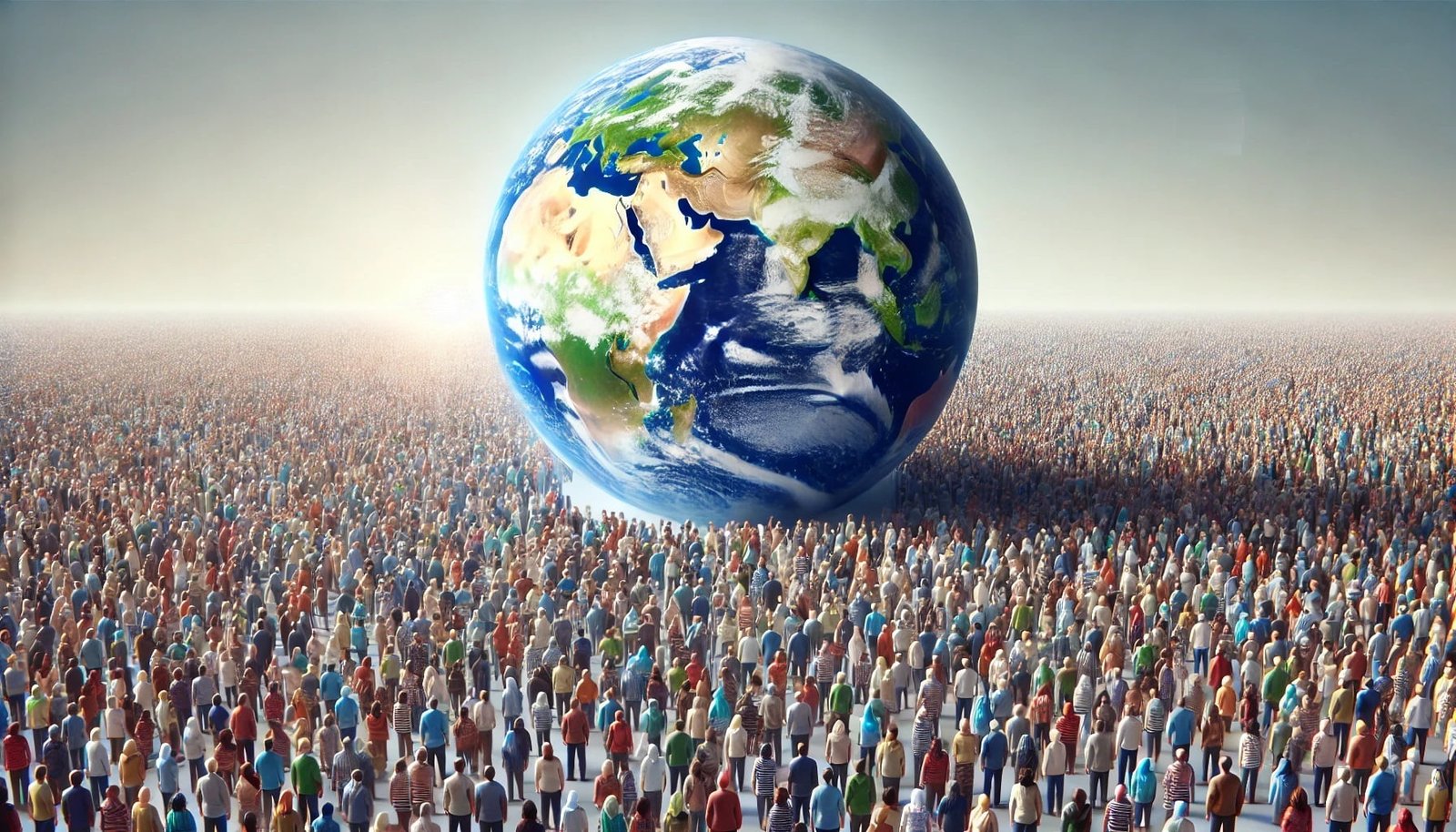
Women and girls make up half of the world’s population, representing half of its potential. Gender equality is not just a fundamental human right but also essential for creating peaceful societies, realizing full human potential, and fostering sustainable development. It has been proven that empowering women contributes to increased productivity and economic growth.
However, there is still a significant journey ahead to attain full equality of rights and opportunities between genders, as cautioned by UN Women. It is crucial to end various forms of gender violence and ensure equal access to quality education, healthcare, economic resources, and political participation for all genders. Equal opportunities in employment and leadership positions at all levels are also paramount.
UN Secretary-General Mr. António Guterres has emphasized that achieving gender equality and empowering women and girls is the unfinished business of our time and the most significant human rights challenge facing the world today.
The United Nations and Women’s Rights
The UN’s commitment to women’s rights began with its founding Charter, which emphasizes promoting and encouraging respect for human rights and fundamental freedoms for all, without discrimination based on gender.
In its first year, the UN’s Economic and Social Council established the Commission on the Status of Women as the principal global policy-making body dedicated exclusively to gender equality and women’s advancement. One of its early achievements was ensuring gender-neutral language in the draft Universal Declaration of Human Rights.
Women’s Rights as a Human Right
Gender equality became part of international human rights law through the Universal Declaration of Human Rights, adopted by the UN General Assembly in December 1948. This historic document recognized that “All human beings are born free and equal in dignity and rights” and affirmed that everyone is entitled to all the rights and freedoms without distinction of any kind, including gender.
During the 1970s, as the international feminist movement gained momentum, the General Assembly declared 1975 as the International Women’s Year and organized the first World Conference on Women in Mexico City. It led to the declaration of 1976-1985 as the UN Decade for Women, focusing on women’s rights and the establishment of a Voluntary Fund for the Decade.
In 1979, the General Assembly adopted the Convention on the Elimination of All Forms of Discrimination against Women (CEDAW), often referred to as an International Bill of Rights for Women. With 30 articles, the Convention defines discrimination against women and outlines an agenda for national action to end such discrimination. It addresses culture and tradition as influential forces shaping gender roles and family dynamics and is the first human rights treaty to affirm women’s reproductive rights.
Five years after the Mexico City conference, the Second World Conference on Women was held in Copenhagen in 1980. The resulting Programme of Action called for stronger national measures to ensure women’s ownership and control of property, improvements in women’s rights regarding inheritance, child custody, and nationality.
Birth of Global Feminism
In 1985, the World Conference to Review and Appraise the Achievements of the United Nations Decade for Women was held in Nairobi. It marked a time when the gender equality movement gained global recognition. Fifteen thousand representatives from non-governmental organizations (NGOs) participated in a parallel NGO Forum, often described as “the birth of global feminism.”
Recognizing that the goals set in Mexico City were not fully met, the 157 participating governments adopted the Nairobi Forward-looking Strategies to the Year 2000. This document declared all issues as women’s issues, breaking new ground.
Beijing Conference on Women
The Fourth World Conference on Women, held in Beijing in 1995, went even further than the Nairobi Conference. The Beijing Declaration and Platform for Action declared women’s rights as human rights and committed to specific actions for respecting those rights.
Commission on the Status of Women
The Commission on the Status of Women (CSW) is the primary global intergovernmental body dedicated exclusively to promoting gender equality and women’s empowerment. It plays a crucial role in advocating for women’s rights, documenting the realities of women worldwide, and shaping global standards on gender equality and women’s empowerment.
An Organization for Women
On July 2, 2010, the United Nations General Assembly unanimously established a single UN body tasked with accelerating progress toward gender equality and women’s empowerment: UN Women. This entity merged four UN agencies and offices: the UN Development Fund for Women (UNIFEM), the Division for the Advancement of Women (DAW), the Office of the Special Adviser on Gender Issues, and the UN International Research and Training Institute for the Advancement of Women.
Women and the Sustainable Development Goals
The UN’s global development work now centers on the 17 Sustainable Development Goals (SDGs). Women play a critical role in achieving all SDGs, with many targets recognizing gender equality and women’s empowerment as both the objective and the solution.
Goal 5, dedicated to “Achieve gender equality and empower all women and girls,” stands as a distinct gender goal. Achieving gender equality globally requires legal and legislative changes. Although a record 143 countries guaranteed equality between men and women in their Constitutions by 2014, another 52 nations had yet to take this crucial step. Despite some progress over the years, women in the labor market continue to earn, on average, 20 percent less than men worldwide as of 2021. Moreover, only 25 percent of all national parliamentarians were female at that time, representing a slow increase from 11.3 percent in 1995. Achieving gender equality and empowering women and girls remains a complex and ongoing challenge, demanding coordinated efforts at local, national, and international levels.
Causes of Lack of Gender Equality: A Deep Dive
- Patriarchal Societal Norms: Traditional gender roles and norms that favor men and perpetuate the idea of male superiority are deeply embedded in many societies, including Pakistan.
- Limited Access to Education: Unequal access to quality education for girls and women restricts their personal and economic development.
- Economic Disparities: Gender wage gaps, limited economic opportunities for women, and the undervaluation of unpaid care work contribute to gender inequality.
- Violence and Discrimination: Gender-based violence, including domestic violence, harassment, and human trafficking, remains pervasive.
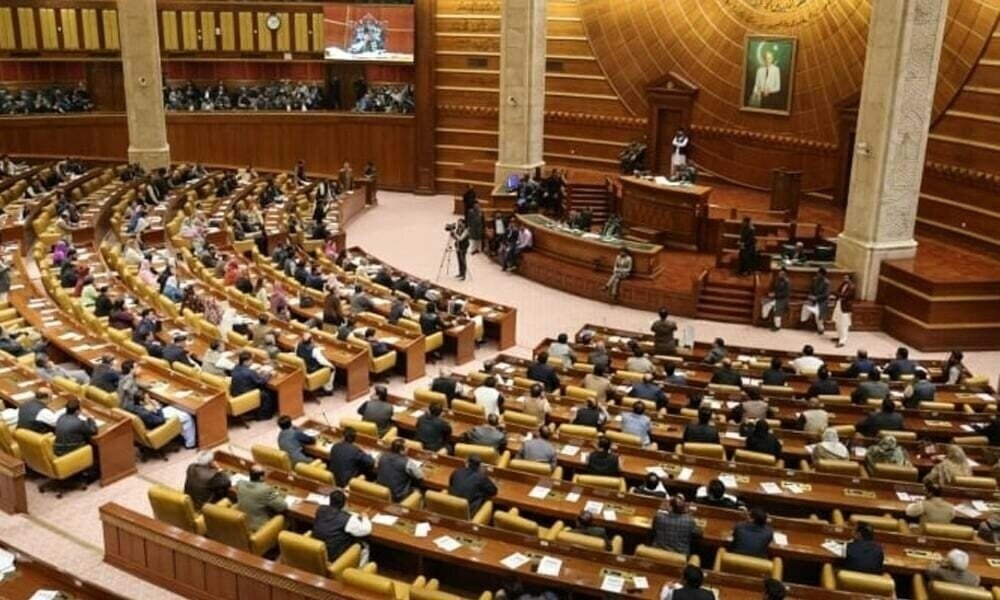
- Lack of Political Representation: Women’s under-representation in political and decision-making roles hinders their ability to influence policies and laws.
- Early and Forced Marriages: Child marriages and forced marriages rob girls of their autonomy and potential.
- Limited Healthcare Access: Women’s access to healthcare services, including reproductive health, is often restricted.
Comparative Analysis: Gender Equality in Pakistan
A comparative analysis of gender equality in Pakistan reveals disparities:
- Urban vs. Rural Divide: Urban areas generally offer better opportunities and awareness, while rural areas often uphold traditional gender roles.
- Educational Divide: Disparities in female literacy rates persist, with rural and less affluent communities facing greater challenges.
- Economic Disparities: Women in urban areas generally have more access to economic opportunities compared to their rural counterparts.
- Legal Rights: Legal rights for women vary across provinces and regions.
Recommendations for Gender Equality in Pakistan
- Legislative Reforms: Enforce and enhance existing laws to protect women’s rights and address gender-based violence and discrimination.
- Access to Education: Invest in girls’ education, including scholarships and awareness campaigns to combat stereotypes.
- Economic Empowerment: Promote women’s participation in the workforce through job opportunities, equal pay, and support for women entrepreneurs.
- Healthcare Access: Improve women’s access to healthcare services, with a focus on reproductive health and family planning.
- Political Participation: Encourage women’s political participation through quotas and awareness campaigns.
- Awareness and Advocacy: Promote gender equality through awareness campaigns, challenging stereotypes, and fostering community dialogues.
- Law Enforcement: Strengthen law enforcement and justice systems to ensure swift action against gender-based violence.
The Role of the United Nations (UN) in Pakistan
The UN plays a critical role in promoting gender equality in Pakistan by:
- Providing technical expertise and resources for gender equality programs.
- Advocating for policy changes and legislative reforms to advance women’s rights.
- Supporting grassroots initiatives and civil society organizations working toward gender equality.
- Monitoring and reporting on progress toward gender equality in Pakistan.
- Empowering women and girls through education, economic opportunities, and health services.
- Collaborating with the government and local partners to integrate gender equality into development projects and initiatives.
In conclusion, achieving gender equality in Pakistan requires multifaceted efforts at the legislative, administrative, and societal levels. The UN’s role in this journey is instrumental, working alongside the government and civil society to empower all genders and create a more equitable society.
Subscribe our website for latest updates:
https://republicpolicy.com/shop/
Read More