
Tariq Mahmood Awan
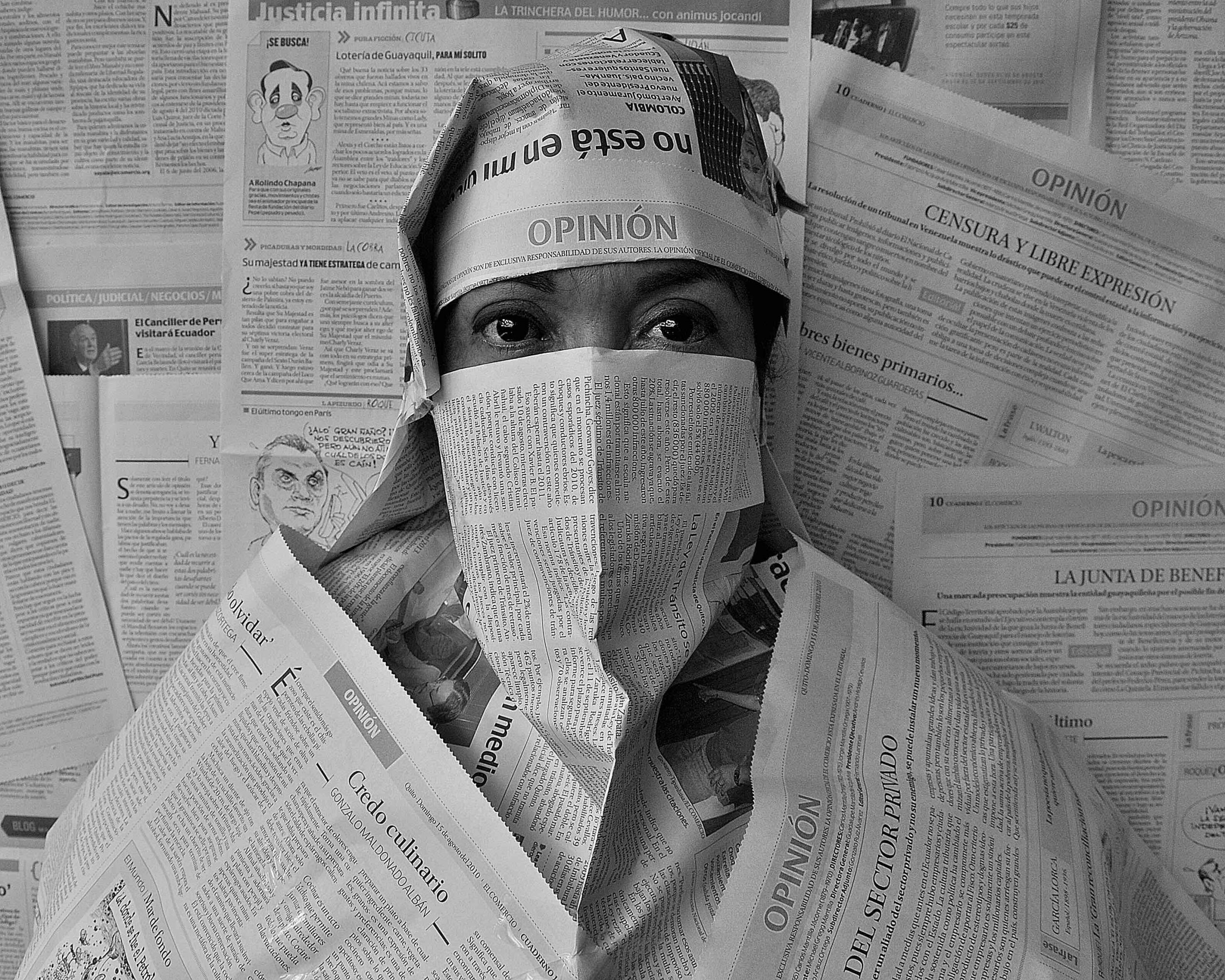
I often feel that human expression is divine. It is instinctive and aesthetical, incarnated to provide poetic justice to humans. It is also critical for emotional relief and purgence. Therefore, it has been crucial to celebrate Freedom of expression. Article 19 of the Constitution of the Islamic republic of Pakistan provides Freedom of speech and expression. The Article states:
Every citizen shall have the right to freedom of speech and expression, and there shall be freedom of the press, subject to any reasonable restrictions imposed by law in the interest of the glory of Islam or the integrity, security or defence of Pakistan or any part thereof, friendly relations with foreign states, public order, decency or morality, or in relation to contempt of court, commission of or incitement to an offence.
The Article categorically provides every citizen the right of expression. Then, civil servants are also the citizens. Apart from conflict of the administrative interest, there is no way to ban the freedom of expression of civil servants. Article 08 of the Constitution provides that there shall be no law repugnant to the fundamental rights. Then, the Constitution is the supreme law, and therefore, no legislation nor delegated legislation can override the Constitution. Then, how can the conduct rules of 1966, derived out of the repealed 1962 constitution, deny this fundamental right to the civil servants of Pakistan? Civil servants are supposedly one of the most educated classes in Pakistan, and their contribution to national debate, discourse and opinion-making is critical. How can they be suppressed, even not to express themselves? Furthermore, their political opinions can be only regulated but not denied. Then, they must enjoy all social, cultural and other freedoms. It is essential for their personality development and also vital for national contribution. Let us talk in detail about the cause of freedom of expression!
Freedom of expression is the right to express your opinions and ideas without fear of censorship, punishment or interference by the government or other authorities. It is a fundamental human right, enshrined in Article 19 of the Universal Declaration of Human Rights. Freedom of expression includes the right to speak, write, publish, broadcast, create art, access information and receive opinions from others.
Please subscribe to the website of republicpolicy.com
Freedom of expression is critical for a human because it enables us to communicate our thoughts, feelings, beliefs and values to others. It also allows us to learn from different perspectives, challenge assumptions, question injustices and seek the truth. Freedom of expression is essential for democracy, as it empowers people to participate in public debate, hold their leaders accountable and demand their rights. Freedom of expression is also essential for human dignity, as it respects our individuality and autonomy as human beings.
Then, freedom of expression is not only a right but also a responsibility. We should use it wisely and respectfully and not abuse it to harm others or incite violence. We should also defend it when it is threatened or violated by those who want to silence or suppress us. When freedom of expression is so vital for humans, why are civil servants in Pakistan being denied this right?
Freedom of expression is a fundamental right that is essential for the development and well-being of civil servants in various aspects. Freedom of expression allows civil servants to communicate their ideas, opinions, and emotions freely and openly without fear of censorship or retaliation. Freedom of expression also enables civil servants to access and share information, knowledge, and culture, which can enrich their personal and professional lives. Freedom of expression can also foster a culture of dialogue, debate, and diversity, which can enhance the quality and accountability of public administration. However, Freedom of expression is not absolute, and it may be subject to certain limitations and responsibilities, especially for civil servants who hold public office and have a duty of loyalty and confidentiality to the government and the public interest.
Likewise, freedom of expression can promote social cohesion and inclusion, as it allows civil servants to express their identity, beliefs, values, and aspirations, as well as to respect and appreciate those of others. Freedom of expression can also facilitate social participation and engagement, as it enables civil servants to voice their concerns, interests, and demands, as well as to listen and respond to those of others. Thus, they can engage with people for better service delivery and enforce efficient good governance.
Please, subscribe to the monthly magazines of republicpolicy.com
Freedom of expression can also support social change and innovation, as it encourages civil servants to challenge the status quo, propose new ideas, and seek solutions to common problems.
Freedom of expression can enhance cultural diversity and creativity, as it allows civil servants to explore and enjoy various forms of art, literature, music, media, and entertainment. Freedom of expression can also protect cultural heritage and identity, as it enables civil servants to preserve and transmit their traditions, customs, languages, and values. Freedom of expression can also foster cultural exchange and dialogue, as it facilitates civil servants to learn from and appreciate different cultures and perspectives. Hence, they may translate these developmental factors into their way of administration.
Freedom of expression can stimulate aesthetic appreciation and expression, as it allows civil servants to experience and create beauty in various forms. Freedom of expression can also inspire aesthetic curiosity and experimentation, as it encourages civil servants to discover and explore new forms of artistic expression. Freedom of expression can also nurture aesthetic sensitivity and judgment, as it helps civil servants develop their tastes and criteria for evaluating aesthetic works. Civil servants must be creatively aesthetical to provide poetic justice to the works of administration.
Freedom of expression can improve administrative efficiency and effectiveness, as it allows civil servants to communicate clearly and accurately with their colleagues, superiors, associates, clients, and stakeholders. Freedom of expression can also enhance administrative transparency and accountability, as it enables civil servants to report and expose any wrongdoing or misconduct in the public service. Freedom of expression can also strengthen administrative democracy and responsiveness, as it empowers civil servants to participate in decision-making processes and to provide feedback and suggestions for improving public policies and services.
Freedom of expression can also benefit other aspects, such as ethical, intellectual, emotional, spiritual, etc., depending on the individual preferences and needs of civil servants. For example, freedom of expression can foster ethical awareness and responsibility, as it allows civil servants to express their moral values and principles. It can also boost intellectual development and growth, as it allows civil servants to acquire and disseminate knowledge. Then, freedom of expression can support emotional health and well-being, as it allows civil servants to vent their feelings and emotions. Furthermore, it can nourish spiritual fulfilment and meaning, as it allows civil servants to express their faith or philosophy.
Lastly, it is always a surprise for me why there is so much sensitivity about freedom of expression for civil servants. Freedom of expression is a vital right for civil servants that can enrich their lives in various aspects. I understand that freedom of expression is not unlimited or unconditional for civil servants with certain obligations and duties towards the government and the public interest. Therefore, civil servants should exercise their Freedom of expression with caution and respect for the law. However, it does not mean to quell the substantive right of expression. Apart from political expression, that too under soft regulation, all other aspects of expression should be exercised by civil servants.
Please, subscribe to the YouTube channel of republicpolicy.com