
Syed Ahsan Ali
The statement that all human beings are born free and equal and should be treated the same way is a fundamental principle of human rights. It is based on the recognition of the inherent dignity and worth of every person, regardless of their race, gender, religion, nationality, social status, or any other distinction. It implies that all people have the same rights and freedoms and that they deserve respect and justice from others.
The importance of this statement can be understood from various perspectives, such as:
- Moral perspective: The statement reflects the universal values of human dignity, equality, and brotherhood that are essential for the peaceful and harmonious coexistence of people. It also expresses the moral obligation of each person to respect and protect the rights and freedoms of others and to refrain from harming or discriminating against anyone.
- Legal perspective: The statement is the basis of the Universal Declaration of Human Rights (UDHR), which is an international document adopted by the United Nations General Assembly in 1948. The UDHR sets out the minimum standards of human rights that all countries should uphold and promote. It also serves as a source of inspiration and guidance for many national and international laws, treaties, and institutions that aim to protect and promote human rights.
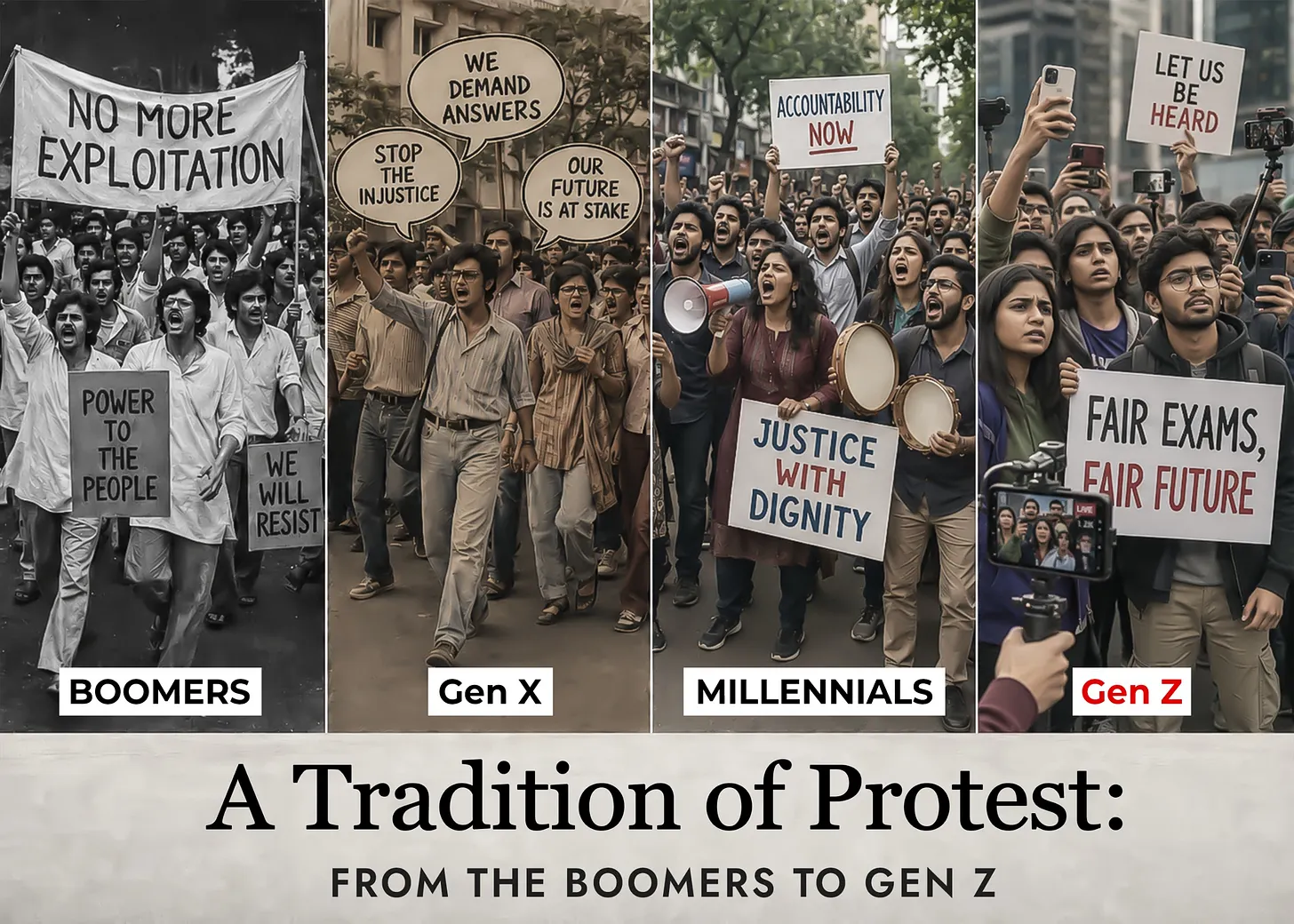
- Political perspective: The statement is a powerful tool for challenging and resisting tyranny, oppression, and injustice that violate human rights. It empowers people to demand and claim their rights from their governments and other authorities and to hold them accountable for their actions. It also encourages people to participate in democratic processes and exercise their civil and political rights.
- Social perspective: The statement promotes social progress and development by fostering a culture of human rights that respects diversity and inclusion. It challenges the existing inequalities and discrimination that marginalize and exclude certain groups of people from enjoying their rights and freedoms. It also inspires people to work together for the common good and to support each other in times of need.
Please, subscribe to the website of the republicpolicy.com
Human rights are the fundamental rights and freedoms that belong to every person, regardless of their identity, background, or circumstances. They are based on the principles of dignity, equality, and justice. Implementing human rights in Pakistan is a complex and challenging task, as the country faces many obstacles and issues that hinder the realization of human rights for all. Some of the steps that could be taken to improve the human rights situation in Pakistan are:
- Reforming the legal and institutional framework: Pakistan should review and amend its laws and policies to ensure that they are consistent with its international human rights obligations and commitments. This includes repealing or revising laws that violate human rights, such as discriminatory, anti-terrorism, and cybercrime laws. Pakistan should also strengthen its institutions that are responsible for protecting and promoting human rights, such as the National Commission for Human Rights, the National Commission on the Status of Women, and the National Commission for Minorities. These institutions should be independent, effective, and accessible to all people.
- Ensuring accountability and justice: Pakistan should ensure that all perpetrators of human rights violations, whether state or non-state actors, are brought to justice and held accountable for their actions. This includes ending the practice of enforced disappearances, torture, and extrajudicial killings and ensuring fair trials and due process for all accused. Pakistan should also provide adequate reparations and support to victims and survivors of human rights abuses and prevent the recurrence of violations.
- Raising awareness and education: Pakistan should raise awareness and education about human rights among its population, especially among marginalized and vulnerable groups. This includes incorporating human rights education in the formal and informal curriculum, conducting public campaigns and programs to promote human rights values and culture, and engaging with civil society organizations, media outlets, religious leaders, and other stakeholders to disseminate information and knowledge about human rights. Pakistan should also encourage dialogue and cooperation among different groups and communities to foster mutual respect and understanding.
- Enhancing participation and empowerment: Pakistan should enhance the participation and empowerment of all people in the decision-making processes that affect their lives and rights. This includes ensuring free and fair elections, respecting freedom of expression and association, protecting civil society space, and facilitating access to information. Pakistan should also empower women, religious minorities, transgender people, and other disadvantaged groups to claim their rights and freedoms and address the structural barriers that prevent them from enjoying their rights.
These are some of the possible ways to implement human rights in Pakistan. However, they require political will, commitment, and resources from the government, as well as support and collaboration from the international community, civil society, and the people of Pakistan. Implementing human rights in Pakistan is not only a legal obligation but also a moral duty and a social necessity for achieving peace, stability, and development in the country.
Lastly, human rights is a developed subject in the Federation of Pakistan. Accordingly, provincial departments are established to implement and execute the policies, laws and regulations. For example, the human rights department of Punjab is still without an organic act. How can a provincial department function without an act? Furthermore, the department does not have an exclusive human rights service, and there are no field operations. Therefore, it is critical to develop the capacity of the provincial human rights department in order to execute and implement the functions of human rights. Only functional provincial human rights departments can implement the law of human rights.
Please, subscribe to the monthly magazines of republicpolicy.com