
Hafeez Khan
A few weeks after the Election Commission of Pakistan (ECP) announced the date for the country’s general elections, speculation has resurfaced regarding a possible delay in the polls scheduled for February next year. This speculation has been fueled by claims from unnamed members of the caretaker cabinet, senators from a particular province, and diplomats in the capital.
The prospect of another electoral delay has raised concerns among many Pakistanis, who have witnessed numerous instances of political maneuvering and institutional interference undermining the democratic process in the past. The country, which initially promised party-based elections within 90 days but had to wait 8 years for such an exercise to occur on a partyless basis, has a history of seeing its collective will thwarted by unelected institutions.
As rumors of a potential delay circulate, many individuals seek answers from analysts and commentators. However, without direct access to decision-making circles, these analysts can only rely on logical reasoning and assessments of the current political climate.
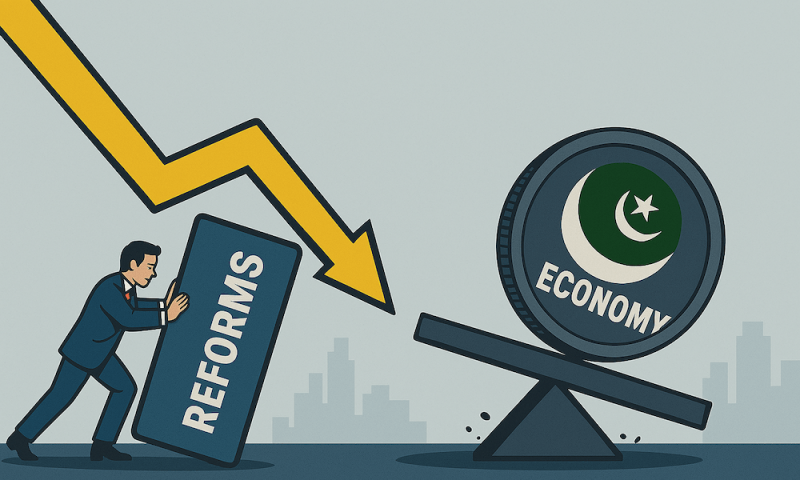
One of the primary arguments against delaying the elections is the detrimental impact it would have on the economy. In an era where economic revival is at the forefront of national priorities, derailing the electoral process would send a counterproductive message of instability and uncertainty.
Moreover, Pakistan’s staggering poverty rate, with nearly 40% of the population living below the poverty line, highlights the urgent need for political stability. The anger and despair stemming from widespread deprivation could easily escalate into political strife and instability if elections are further delayed.
Even flawed elections provide a sense of empowerment and inclusion for those who feel marginalized and unheard. The opportunity to participate in the democratic process, even if imperfect, offers a glimmer of hope and validation.
Please, subscribe to the monthly magazines of the republicpolicy.com
While some journalists have cited the popularity of PTI leader Imran Khan as a reason for a potential delay, it’s crucial to consider the broader political landscape. The systematic weakening of the PTI and the engineered disarray among its leadership cast doubt on the effectiveness of postponing elections to favor any particular party.
The return of PML-N leader Nawaz Sharif and his potential alliance with the establishment also adds complexity to the situation. Sharif’s return, seen as facilitated by the establishment, suggests an expectation of prompt action, not indefinite waiting.
Furthermore, the PPP, despite its declining influence, remains a significant political force that cannot be ignored. Even if certain parties perceive short-term benefits from a delay, the long-term consequences for their credibility and electoral prospects would be detrimental.
Pakistan’s history of political uncertainty and unexpected turns makes predicting the future challenging. While a delay in elections remains a possibility, it’s essential to carefully consider the potential consequences for the economy, social stability, and the overall democratic process.
Please, subscribe to the YouTube channel of republicpolicy.com