
Dr Noman Ali
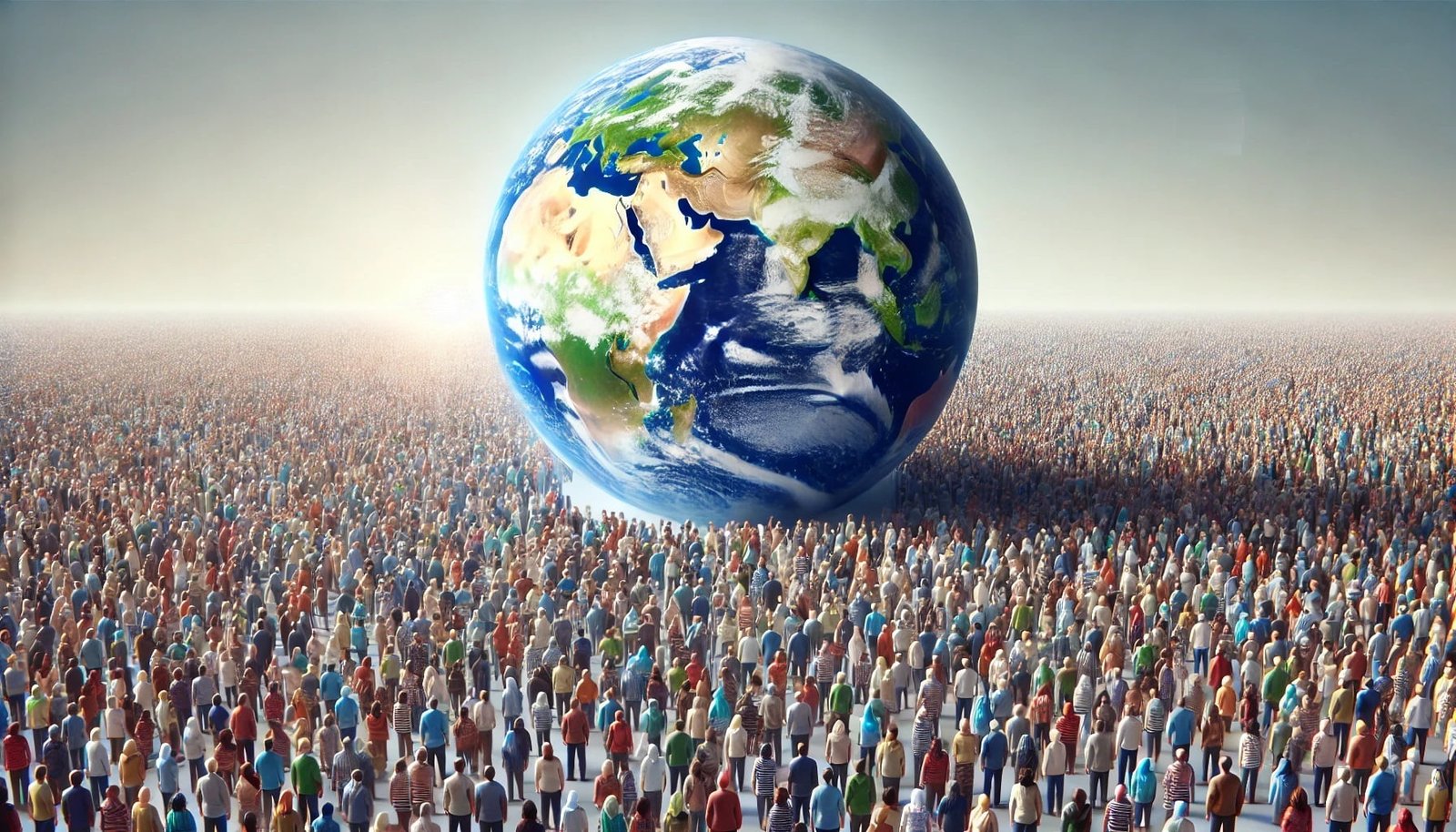
Real development is a broad and multidimensional concept that goes beyond the conventional measures of economic growth and income. It encompasses the improvement of human well-being, capabilities, and potential, as well as the enhancement of social, cultural, political, legal, and environmental conditions. Real development is not only about achieving certain outcomes, but also about ensuring that the process of development is inclusive, participatory, equitable, and sustainable.
One of the main criticisms of the traditional approach to development is that it focuses too much on the quantitative indicators of economic performance, such as GDP, income, and consumption, while neglecting the qualitative aspects of human life, such as happiness, health, education, freedom, and dignity. This approach assumes that economic growth automatically leads to human development, and that the benefits of growth will trickle down to all segments of society. However, this assumption has been challenged by empirical evidence and theoretical arguments that show that economic growth is neither necessary nor sufficient for human development, and that it may even have negative consequences for human well-being and the environment.
For example, some studies have found that beyond a certain threshold, economic growth does not increase happiness or life satisfaction, and may even reduce them due to the negative effects of inequality, pollution, stress, and social fragmentation. Moreover, economic growth does not guarantee the reduction of poverty, hunger, illiteracy, or disease, as these depend on the distribution of income and resources, the quality of public services, and the effectiveness of social policies. Furthermore, economic growth may come at the expense of environmental sustainability, as it often relies on the overexploitation of natural resources, the emission of greenhouse gases, and the generation of waste and pollution. These environmental problems not only threaten the ecological balance and the survival of other species, but also undermine the health, livelihoods, and security of human beings, especially the poor and vulnerable.
Therefore, real development should not be equated with economic growth, but rather with the transformation of people’s lives in a holistic and humanistic way. This means that development should aim to enhance the capabilities and freedoms of people to pursue their own values and goals, and to participate in the decisions that affect their lives. It also means that development should respect and promote the diversity and dignity of cultures, identities, and expressions, and foster the social cohesion and solidarity among people and communities. Moreover, it means that development should ensure the protection and fulfillment of human rights and justice, and the accountability and responsiveness of institutions and policies. Finally, it means that development should safeguard the integrity and resilience of the natural environment, and balance the needs and aspirations of present and future generations.
Please, subscribe to the monthly magazines of republicpolicy.com
To achieve real development, it is necessary to adopt a human development approach, which is based on the premise that “people are the real wealth of a nation.”
This approach was pioneered by the United Nations Development Programme (UNDP), which introduced the Human Development Index (HDI) in 1990 as an alternative measure of development that combines indicators of income, health, and education. The HDI has been complemented by other indices that capture other dimensions of human development, such as gender equality, empowerment, security, and sustainability. The human development approach also advocates for the adoption of human rights-based, people-centered, and participatory policies and strategies that address the root causes and structural barriers of underdevelopment, and that empower people and communities to claim their rights and entitlements, and to hold duty-bearers accountable.
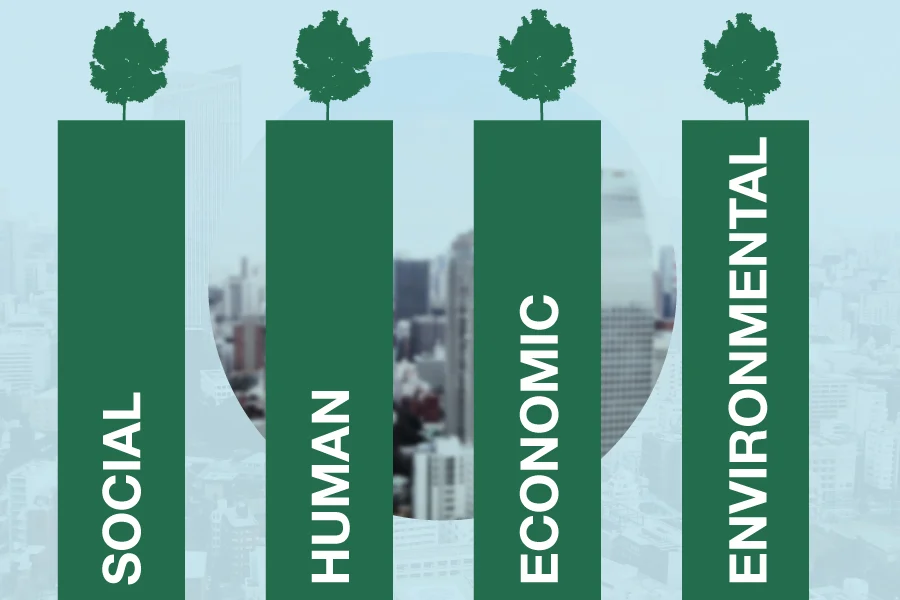
While economic growth is undoubtedly crucial for a nation’s progress, it is only one piece of a much larger puzzle. True development goes far beyond mere statistics and figures, encompassing a holistic transformation that improves the lives of all citizens across various dimensions, including:
Social:
- Access to basic necessities: Real development must ensure that all citizens have access to essential needs like clean water, nutritious food, adequate healthcare, and proper sanitation. This creates a foundation for a healthy and productive society.
- Education and literacy: Investing in quality education for all empowers individuals with knowledge, skills, and critical thinking, enabling them to contribute meaningfully to society and lead fulfilling lives.
- Social safety nets: Robust social safety nets protect vulnerable populations like the elderly, children, and unemployed from falling into poverty and ensure a minimum standard of living.
- Gender equality and women’s empowerment: Breaking down gender barriers and promoting equality in opportunities and access to resources allows women to fully participate in society and contribute to its economic and social development.
Cultural:
- Preserving cultural heritage: Protecting and promoting cultural heritage, including traditions, languages, and art forms, fosters a sense of identity and belonging among citizens, strengthening social cohesion.
- Promoting cultural exchange: Encouraging intercultural dialogue and exchange of ideas helps broaden perspectives, combat prejudice, and build a more inclusive society.
- Supporting artistic expression: Fostering a vibrant artistic community allows individuals to express themselves creatively, contributes to the cultural richness of a nation, and enhances its global reputation.
Political:
- Strengthening democratic institutions: Building strong and transparent democratic institutions ensures fair representation, accountable governance, and respect for fundamental rights and freedoms.
- Promoting political participation: Encouraging active citizen participation in the political process through free and fair elections strengthens democracy and empowers individuals to shape their own future.
- Upholding the rule of law: Ensuring the equal application of the law to all citizens, regardless of their status or background, promotes social justice and creates an environment conducive to investment and economic growth.
Legal:
- Access to justice: Ensuring equal access to justice for all citizens, regardless of their financial means or social standing, promotes fairness and protects individual rights.
- Legal reform: Continuously reviewing and reforming the legal system to address evolving challenges and ensure its relevance to the needs of the society contributes to long-term development.
- Combating corruption: Upholding the rule of law and tackling corruption at all levels fosters trust in institutions, promotes fair competition, and attracts investment.
Human resources:
- Investing in human capital: Developing the skills and capabilities of the workforce through education, training, and access to healthcare is vital for boosting productivity, innovation, and economic competitiveness.
- Promoting decent work: Creating safe and healthy working conditions, ensuring fair wages and benefits, and protecting workers’ rights are essential for building a just and equitable society.
- Empowering youth: Investing in youth development through education, entrepreneurship opportunities, and leadership training prepares them to become active and productive members of society.
Values:
- Civic engagement: Encouraging active citizen participation in community initiatives and promoting social responsibility are essential for fostering a sense of belonging and shared responsibility for national progress.
- Tolerance and respect: Cultivating tolerance and respect for diversity of opinion, religion, and ethnicity creates a more inclusive society and fosters peaceful coexistence.
- Environmental conservation: Protecting the environment and promoting sustainable practices are crucial for ensuring a healthy planet for future generations.
Justice and rights:
- Combating discrimination: Upholding the fundamental rights of all citizens regardless of their race, religion, gender, or sexual orientation is essential for achieving true justice and equality.
- Protecting vulnerable groups: Taking specific measures to address the needs and challenges faced by vulnerable groups such as minorities, refugees, and persons with disabilities ensures their inclusion and participation in society.
- Promoting human rights: Respecting and protecting human rights for all citizens creates a society where everyone can live with dignity and freedom.
Lastly, true development necessitates a comprehensive approach that goes beyond economic growth. It requires a focus on improving the quality of life for all citizens across various social, cultural, political, legal, human resource, and ethical dimensions. By investing in human capital, strengthening institutions, promoting social justice, and protecting human rights, nations can build a more prosperous, equitable, and sustainable future for all.
Subscribe to the YouTube channel of republicpolicy.com