
Fahad Ahmad
Legitimacy of power is the degree to which the people accept and endorse the authority of those who govern them. It is critical for a society and state because it affects the stability, effectiveness, and accountability of the political system. Here is a possible paragraph:
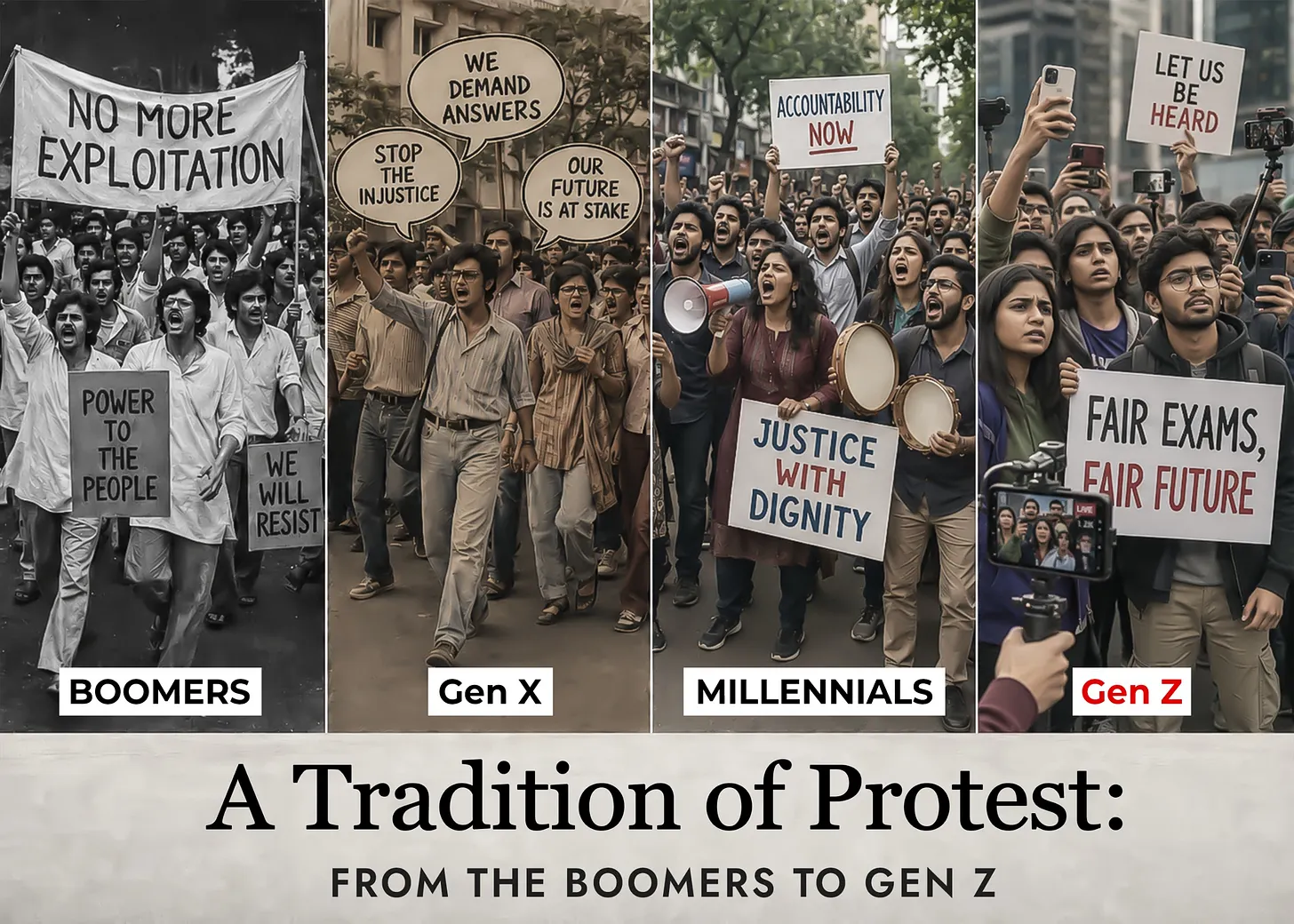
Legitimacy of power is essential for maintaining social order and political stability in a society and state. When the people perceive the power holders as legitimate, they are more likely to obey the rules, cooperate with the authorities, and participate in the civic life. This reduces the need for coercion, violence, and repression, and enhances the efficiency and responsiveness of the public institutions. On the other hand, when the people question the legitimacy of the power holders, they are more likely to resist, protest, or rebel against the system. This increases the risk of conflict, instability, and fragmentation, and undermines the capacity and credibility of the government. Therefore, legitimacy of power is a key factor that influences the quality and durability of the social and political order.
Power is a complex and multifaceted entity, often misunderstood as a simple matter of who wields the “biggest stick.” A closer examination of history, including figures like Julius Caesar and events closer to home in Pakistan, reveals a deeper truth: the most potent force in the realm of power is not always strength of arms, but the elusive quest for legitimacy.
Legitimacy: The Ultimate Prize:
Consider the story of Julius Caesar, a powerful leader who ultimately sought the Senate’s approval. His tragic end serves as a stark reminder that even at the peak of power, legitimacy remains the ultimate prize. Similarly, the iron-fisted rule of Saddam Hussein in Iraq or the repeated instances of martial law in Pakistan highlight the constant pursuit of legitimacy by leaders, military or otherwise.
Please, subscribe to the YouTube channel of republicpolicy.com
Beyond Military Might:
In Pakistan, a narrative has emerged suggesting that true power lies not in the Parliament, but in the shadows of the military and bureaucracy. However, this view fails to acknowledge the crucial role of legitimacy. From dictators seeking the presidency to generals seeking parliamentary approval, the quest for legitimacy has been relentless.
The Power of Legitimacy:
This pursuit, often dismissed as mere facade, is more than just a cosmetic exercise. It speaks to the fundamental human need for validation and a sense of rightful place in society. Leaders, both military and civilian, recognize this reality. Their efforts to conform their authority to the constitution are not just strategic moves; they are a recognition of the inherent power of legal legitimacy.
Beyond the Black and White:
The international perspective often paints a simplistic picture of Pakistan, portraying it as a nation where democracy is a facade and realpolitik dominates. While not entirely inaccurate, this perspective fails to capture the complex interplay of power and legitimacy. It ignores the reality that even the most powerful figures seek validation from the very democratic institutions they are accused of undermining.
Shifting the Narrative:
The narrative on power in Pakistan needs to move away from simplistic cynicism and embrace a more nuanced understanding. The focus should shift from overthrowing systems to nurturing and reforming the very institutions that define the country’s democracy. Seeking change outside these structures is futile.
A Strong Foundation:
The path to a resilient and equitable Pakistan leads directly through its courts, parliaments, and systems of checks and balances. The tragic story of Z.A. Bhutto’s judicial murder serves as a stark reminder of what happens when these institutions falter. Building a strong foundation on the principles of legitimacy and within the framework of these institutions is crucial for Pakistan’s future.
Summing up, the quest for legitimacy in Pakistan reveals a complex power dynamic. While brute force and maneuvering may play a role, the ultimate prize lies in securing legal and moral legitimacy. Understanding this complex interplay is essential to navigate the challenges of the present and build a brighter future for Pakistan.
Please, subscribe to the monthly magazines of republicpolicy.com