
Team Republic Policy
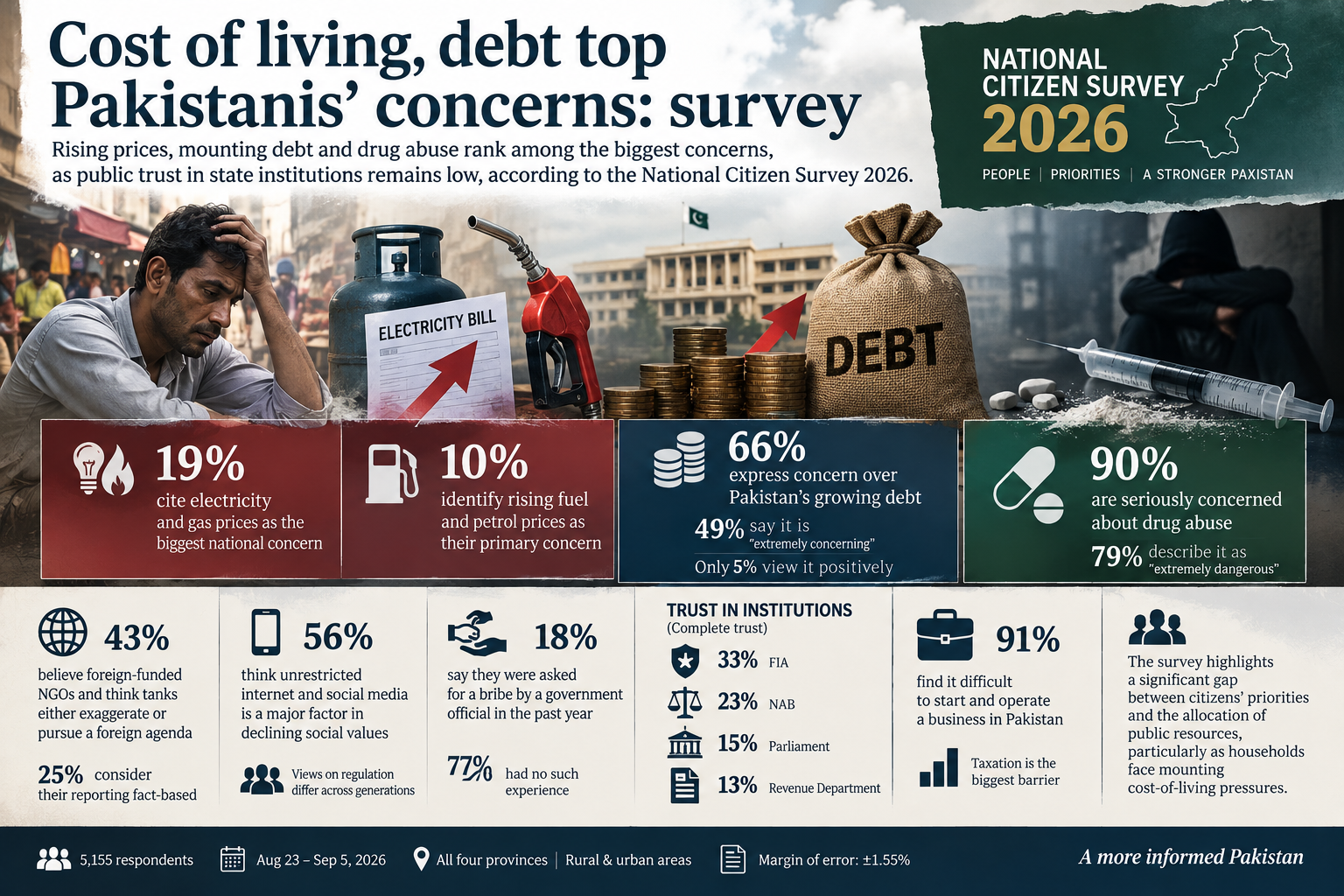
The world of opinion polls and surveys can be murky, especially when political interests come into play. While surveys can offer valuable insights into public opinion, the existence of paid surveys introduces a potential for manipulation and bias, ultimately harming the credibility of both journalists and organizations involved.
Forms of Paid Surveys:
- Direct Commissioning: Political parties or lobby groups directly commission research firms to conduct surveys with specific goals in mind. These surveys might be designed to favor a particular candidate, issue, or agenda. The research firm might also be asked to skew the results by oversampling specific demographics or utilizing leading questions.
- Methodological Manipulation: Even without explicit instructions, some research firms, motivated by financial gain, might manipulate the methodology of the survey to produce desired results. This could involve sampling biases, weighting responses inappropriately, or even fabricating data.
- Strategic Leaks and Spin: Sometimes, the commissioned surveys themselves are not necessarily manipulated, but the results are selectively leaked or spun to paint a specific narrative. Journalists, under pressure to meet deadlines or driven by their own biases, might uncritically present these results as objective facts, further distorting public perception.
Why Political Parties Invest in Paid Surveys:
- Persuading Public Opinion: Favorable surveys can be used to create a bandwagon effect, influencing voters to believe that a particular candidate or position is more popular than it actually is. This can sway undecided voters and boost campaign morale.
- Shifting Media Narrative: Journalists often rely on surveys to frame their coverage. Biased surveys can shape media discourse, giving greater visibility to favored narratives and sidelining opposing viewpoints.
- Fundraising and Resource Allocation: Parties use surveys to identify key demographics and tailor their messaging accordingly. This helps them focus their campaign efforts and fundraising appeals on groups most likely to support them.
Destroying Credibility:
- Loss of Trust: When the public discovers that seemingly objective surveys are actually paid advertisements masquerading as research, their trust in both the research firm and the media outlets reporting on them plummets. This erodes public confidence in the entire polling process, making it harder to discern genuine public opinion.
- Erosion of Journalistic Standards: If journalists fail to critically analyze the origins and methodology of surveys before reporting on them, they become complicit in disseminating biased information. This undermines their reputation as impartial arbiters of truth and reinforces public cynicism towards the media.
- Legitimizing Misinformation: When manipulated surveys gain traction, they can provide fuel for existing misinformation campaigns, further blurring the lines between fact and fiction in the public discourse. This can have dire consequences for political discourse and social cohesion.
Moving Forward:
To combat the misuse of paid surveys and restore public trust, several steps are necessary:
- Transparency and Disclosure: Research firms and media outlets must clearly disclose the source of funding and methodology behind any surveys they report on. This allows the public to make informed judgments about the potential for bias.
- Increased Scrutiny: Journalists and independent researchers need to hold polling firms accountable for their methods and results. Investigative reporting and critical analysis can expose instances of manipulation and safeguard the integrity of the polling process.
- Media Literacy: Building public awareness about the potential for bias in surveys and how to critically evaluate them is crucial. This empowers individuals to become discerning consumers of information and resist manipulation attempts.
Hence, while paid surveys can be a valuable tool for understanding public opinion, their potential for manipulation and bias cannot be ignored. By recognizing the forms these surveys take, understanding the motivations behind them, and advocating for transparency and critical analysis, we can combat their harmful effects and safeguard the credibility of both journalists and organizations in the eyes of the public.
Paid surveys are a double-edged sword. While they offer valuable insights into public opinion, their susceptibility to bias and manipulation poses a serious threat to the integrity of political discourse and public trust in both political actors and the media. To safeguard against these dangers, it is crucial to demand transparency in survey methodologies and funding sources, encourage critical analysis of survey results, and promote media literacy among the public. Only then can we ensure that paid surveys serve their intended purpose of informing public understanding rather than manipulating it for political gain.
Critical Evaluation:
The Rise of the Poll Weapon: In the information-saturated landscape of today, where public opinion holds immense sway, surveys have become powerful tools wielded by political actors. While some surveys serve as genuine gauges of sentiment, others operate in a murky, manipulative underworld, distorting reality and eroding trust in the very institutions meant to inform us. This necessitates a critical evaluation of paid surveys, their forms, motivations, and the devastating consequences they can unleash.
The Arsenal of Deception: Paid surveys employ a range of tactics to subvert genuine public opinion:
- Framing the Narrative: Questions become weapons, crafted to subtly push respondents towards desired answers. Instead of neutral inquiries, we see queries laden with value judgments, priming respondents to favor specific candidates or policies. Imagine being asked not “Do you support X’s healthcare plan?” but “Would you trust a leader who prioritizes affordable healthcare for all, like X?”. The subtle framing tips the scales, skewing the perceived opinion landscape.
- Targeting the Right Crowd: Surveys can be wielded like sniper rifles, aimed at specific demographics already predisposed to a particular viewpoint. By focusing on these narrow slices of the population, the illusion of widespread support is manufactured, conveniently ignoring the perspectives of other crucial segments. This cherry-picking creates a misleading picture of public sentiment, favoring specific agendas while silencing dissenting voices.
- Massaging the Data: Even collected data is not immune to manipulation. Outliers and inconvenient findings can be conveniently discarded, while favorable responses are amplified to create a one-sided narrative. This data sculpting paints a skewed picture of reality, exaggerating support for certain candidates or policies while burying alternative viewpoints.
- Selective Reporting: The final weapon in this arsenal is selective reporting. Only results that align with the desired narrative are released to the public, creating a biased picture of public opinion and suppressing any findings that contradict the agenda. This creates an echo chamber, drowning out dissenting voices and reinforcing pre-existing biases.
Motivations Behind the Manufactured Mirror: Why do political actors invest in these deceptive tactics? The answer lies in the immense power of shaping public perception:
- The Bandwagon Effect: Favorable surveys can create the illusion of a surging wave of support, influencing undecided voters and boosting a party’s image. This bandwagon effect can snowball, turning fabricated popularity into genuine momentum.
- The Fundraising Magnet: Positive surveys can be used to legitimize a party’s claims, attracting more donors and funding. Investors are more likely to back a seemingly popular candidate, further fueling the cycle of manipulation and misinformation.
- The Opposition Takedown: Negative surveys about opponents can be used to damage their credibility and sway voters away from them. By painting a picture of incompetence or unpopularity, these surveys can effectively derail rival campaigns and consolidate power.
The Devastating Consequences: The weaponization of surveys through these tactics comes at a heavy cost:
- Undermining the Fourth Estate: When journalists rely on biased surveys or fail to disclose their origins, their credibility plummets. This erodes public trust in the media as a whole, making it harder to discern truth from fabricated narratives.
- The Disinformation Deluge: Fabricated data can easily spread as news, creating confusion and distrust among the public. This makes it harder to distinguish genuine information, further polarizing society and hindering informed decision-making.
- Democracy’s Poisoned Well: When public opinion is manipulated, the very foundation of democracy is threatened. Voters make decisions based on distorted information, potentially electing leaders who do not represent the true will of the people. This can lead to undemocratic outcomes, undermining the very system that relies on informed participation.
Combating the Survey War Machine: To protect the integrity of public opinion and ensure a healthy democracy, several measures are crucial:
- Transparency is the Watchword: Journalists and organizations must be held accountable for disclosing the source and methodology of any surveys they use. This allows for critical analysis and exposes potential biases or manipulations.
- Fact-Checking as the Antidote: Independent fact-checking organizations must play a vital role in debunking biased surveys and promoting accurate information. Their work can help dispel misinformation and ensure that public discourse is grounded in reality.
- Media Literacy: The Shield of the Public: Educating the public on how to identify and critically analyze surveys is essential. By equipping citizens with the tools to discern fact from fiction, we can empower them to resist manipulation and make informed decisions based on genuine information.
The weaponization of paid surveys poses a grave threat to democracy, eroding trust and distorting public perception. By demanding transparency, supporting fact-checking, and fostering media literacy, we can combat this manipulation and ensure that public opinion remains a true reflection of the people’s will, not a manufactured mirage conjured by political actors. Only then can we safeguard the integrity of our democracies and ensure that they truly thrive on people’s choices.
Please, subscribe to the YouTube channel of republicpolicy.com